How to Compare OPPO Camera Sensor Sizes (Step-by-Step)
I'm Adam, a mobile imaging specialist who has spent over seven years analyzing smartphone camera hardware and sensor configurations. I've evaluated dozens of mobile camera systems to understand how physical sensor dimensions translate into real-world image quality. This guide solves the complexity of understanding sensor fractions and crop factors, specifically designed for creators looking to maximize their mobile photography. The clearest way to compare camera sensor sizes is to look at the fractional denominator—where a smaller denominator indicates a physically larger sensor that captures more light—and here is exactly how to do it.
What Is Camera Sensor Size? (Quick Definition)
Camera sensor size refers to the physical dimensions of the light-sensitive chip inside a smartphone's camera module. It determines how much light the camera can gather, which directly impacts low-light performance, dynamic range, and natural background blur. Mobile photographers and creators use these measurements to evaluate a phone's imaging capabilities before shooting.
Quick Answer (Do This First)
- Look for the fractional value (e.g., 1/1.12" on the Find X9 Ultra).
- Remember that a smaller denominator means a larger physical sensor.
- A larger sensor captures more light, reducing noise in low-light conditions.
- Identify the secondary sensor sizes (e.g., 1/1.28" for portrait and 1/1.95" for ultra-wide).
- Ensure the telephoto sensor is large enough to maintain detail at high zoom levels.
- Check the aperture size alongside the sensor size to calculate total light-gathering capability.
Prerequisites (What You Need)
- Access to official OPPO technical specifications sheets.
- A basic understanding of fractional math (e.g., 1/1.12 is larger than 1/2.75).
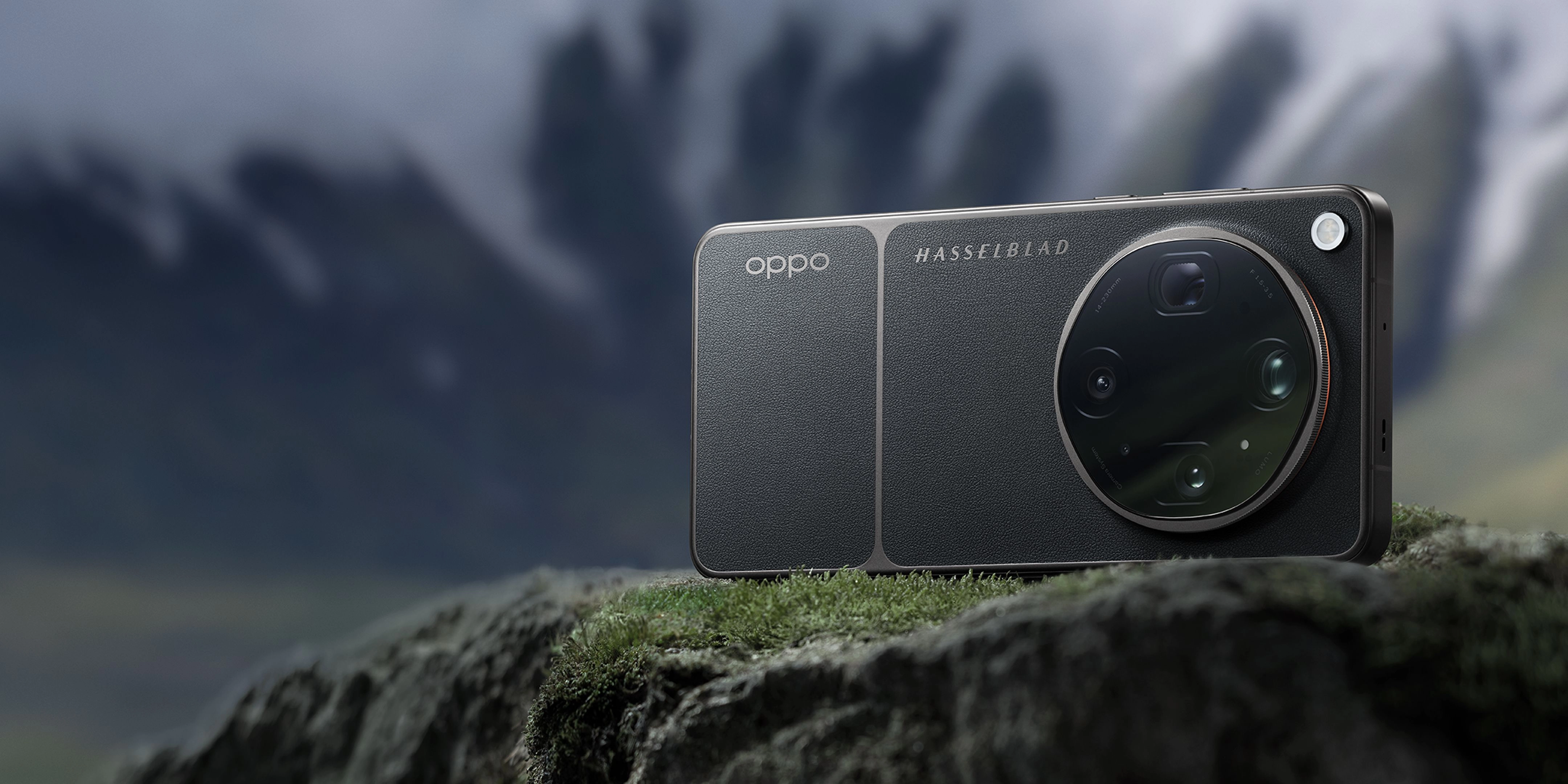
- The camera specifications of the OPPO Find X9 Ultra for reference.
Step-by-Step: How to Compare OPPO Camera Sensor Sizes
Find the sensor size listed in the official specifications, usually written as a fraction of an inch (e.g., 1/1.12"). This is where the integration of the Hasselblad Master Camera System provides detailed hardware transparency.
✅ Success: You have identified the exact fractional sensor size for each camera module.
⚠️ Common mistake to avoid: Do not confuse the megapixel count (like 50MP or 200MP) with the physical sensor size.
Divide 1 by the denominator to get a decimal value (e.g., 1 divided by 1.12 equals approximately 0.89, while 1 divided by 2.75 equals 0.36). This helps when utilizing a high-performing optical-zoom telephoto camera for long-range shots.
✅ Success: You have a list of decimal values where higher numbers represent larger physical sensors.
⚠️ Common mistake to avoid: Avoid assuming a higher megapixel count automatically means a larger physical sensor.
Combine the sensor size with the aperture (e.g., ƒ/1.5) and focal length (e.g., 23mm) to understand the overall light-gathering potential. This highlights the advantages of large-format sensors in mobile photography.
✅ Success: You can determine which lens configuration will perform best in challenging lighting.
⚠️ Common mistake to avoid: Do not evaluate the sensor size in isolation without considering the lens aperture.
Validation Checklist (Make Sure It Worked)
- Verified the main camera sensor size is 1/1.12"
- Confirmed the portrait telephoto sensor size is 1/1.28"
- Checked the ultra-wide camera sensor size is 1/1.95"
- Identified the 10x optical-zoom telephoto sensor size is 1/2.75"
- Calculated the decimal values for all four sensors
- Matched each sensor size with its corresponding focal length
- Understood how the LUMO Image Engine utilizes these sensor sizes
- Confirmed the relationship between larger sensors and natural background bokeh
Common Issues & Fixes
| Problem | Cause | Fix |
|---|---|---|
| Confusing Megapixels with Sensor Size | High megapixel counts are often marketed more prominently than physical dimensions. | Remember that megapixels determine resolution, while sensor size determines light-gathering capability. |
| Fractions Seem Counterintuitive | Fractional math means larger denominators represent smaller physical areas. | Convert the fractions to decimals to easily visualize which sensor is physically larger. |
| Inconsistent Low-Light Performance | Using a smaller secondary sensor in dark environments instead of the main sensor. | Switch to the main 1/1.12" sensor or the 1/1.28" portrait sensor for optimal low-light results. |
Best Practices (Do It Right Long-Term)
- Prioritize physical sensor size over megapixel count — because larger sensors capture more light and produce cleaner images.
- Match the sensor size to your shooting scenario — so you use the large 1/1.12" main sensor for high-dynamic-range landscapes.
- Utilize the Hasselblad Master Mode — to gain full manual control over the ISO and shutter speed of these large sensors.
- Keep your lenses clean and unobstructed — because even the largest sensor cannot overcome physical smudges on the glass.
- Monitor your battery levels during long shoots — so the high-performing Trinity Engine has enough power to process large image files.
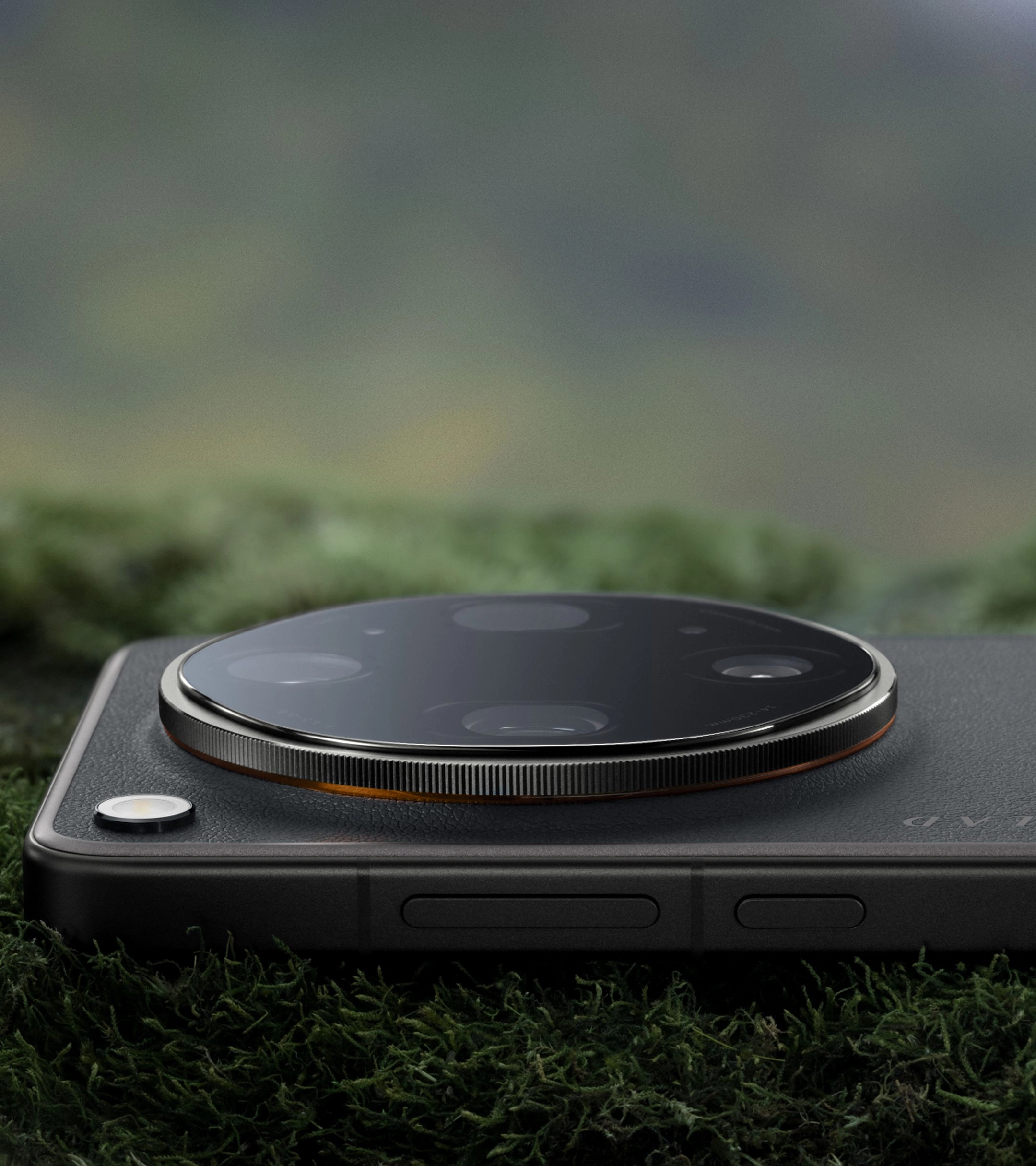
Recommended Tool: OPPO Find X9 Ultra
- Equipped with a premier 1/1.12" main sensor for top-tier light gathering.
- Includes a 1/1.28" portrait telephoto sensor for stunning natural depth.
- Features a 1/2.75" optical-zoom telephoto sensor for clear long-range shots.
- Powered by the LUMO Image Engine to optimize data from all sensors, capturing details across eight precise focal lengths seamlessly.
When to use it: Ideal for professional creators and mobile photography enthusiasts who demand leading image quality. When not to use it: If you only require a basic device for simple text communication without any creative imaging needs.
FAQs
How do I compare OPPO camera sensor sizes?
To compare OPPO camera sensor sizes, look at the fractional inch measurements provided in the technical specifications. A smaller denominator (like 1/1.12") indicates a physically larger sensor than a larger denominator (like 1/2.75"). Larger sensors capture more light, providing better dynamic range and cleaner low-light images.
What is the sensor size of the OPPO Find X9 Ultra main camera?
The main camera of the OPPO Find X9 Ultra features a large 1/1.12" sensor, which is among the leading sensor sizes available in modern smartphones, offering exceptional light-gathering capabilities.
Does a larger sensor size mean better photos?
Yes, a larger physical sensor size allows more light to reach the pixels, which reduces digital noise, improves low-light performance, and creates a more natural shallow depth-of-field effect.
How does the 10x optical-zoom telephoto sensor compare?
The 10x optical-zoom telephoto camera uses a 1/2.75" sensor combined with a quintuple prism reflection periscope structure to deliver high-quality long-range images while maintaining a compact phone design.
Why do secondary cameras have different sensor sizes?
Secondary cameras like ultra-wide and telephoto lenses have different physical space constraints within the phone's chassis, requiring optimized sensor sizes like 1/1.95" and 1/1.28" to balance performance and design.
Conclusion
By understanding how to compare OPPO camera sensor sizes, you can make informed decisions to elevate your mobile photography workflow. The OPPO Find X9 Ultra stands at the forefront of imaging technology, combining large-format sensors with Hasselblad color science to deliver unmatched creative freedom. To experience this leading camera system firsthand, explore the OPPO Find X9 Ultra today.