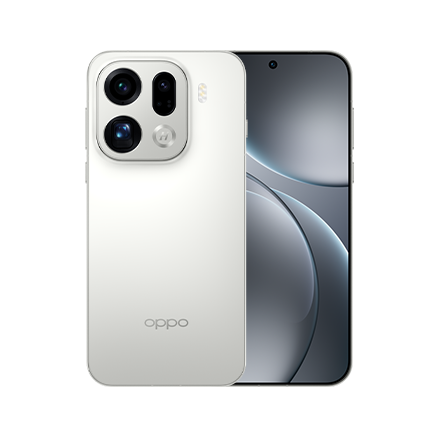
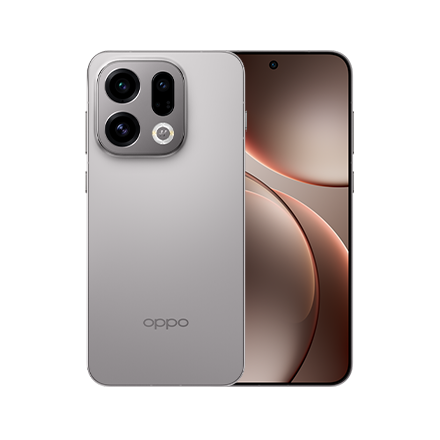
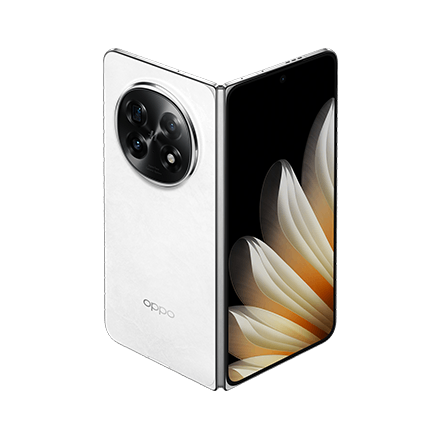
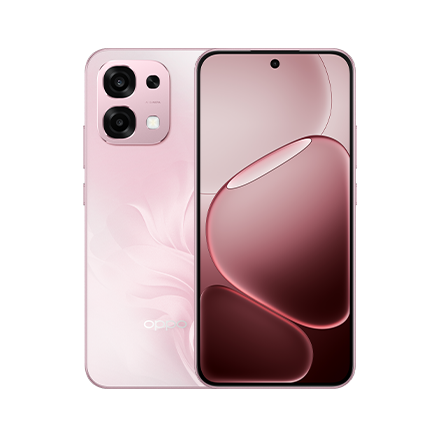









Emotion and Vitality: A Tale of The OPPO Reno14 Series Design

"We think, each of us, that we're much more rational than we are."
—Daniel Kahneman, Thinking, Fast and Slow
In a world where first impressions often outweigh logic, design is more than just decoration; it's a decision-maker. The OPPO Reno14 Series proves this from the moment you pick it up. Its feel, color, and shimmer speak before specs ever do. Here, designers turned emotion into art through every detail of Color, Material, and Finish (CMF). This isn't just about a phone. This is a story of vitality, shaped by users and brought to life through thoughtful design. Let's dive into the journey behind the Reno14, where every detail is a brushstroke of dynamic energy.
Picture the Reno14 as a runway star. The Industrial Design team crafts its figure—a sleek, lightweight frame that fits perfectly in your hand. Then, the CMF team adds the finishing touches as the stylist, choosing colors, textures, and finishes that catch the eye. It's teamwork at its best, making sure the phone doesn't just work well—it feels right in your life. This balance has always been the Reno Series' signature, mixing youthful energy with smart design.
The Reno14's design began with a question: What do you want? OPPO's team conducted round after round of user research, pinpointing trends for the next two years. From style boards bursting with ideas, two themes emerged: "Dreamy Ocean" (think vibrant, transparent hues) and "Natural Flow" (serene, earthy tones).
Numerous rounds of user feedback refined these concepts into the Reno14's standout looks that you can see today: the shimmering Opal White and the serene Luminous Green. "We wanted a phone that feels alive," a designer shared, "like a mermaid's tail in sunlight or dawn breaking through a forest," they added.
How It's All Born
The process starts from a deep collaboration between the Industrial Design (ID) and CMF teams, working together to create a light and dynamic feeling merged with a cool contrast. Reno is famous for its thoughtful and visually appealing designs, maintaining the fashionable essence that defines its products. This collaboration keeps the Reno Series' ethos alive and consistent, building on previous generations while bringing a fresh new look.
What's important to make clear in this design journey are the unseen stories. It's easy to see the end product and form opinions, but it gets so much better once you know the details and thinking behind it. At the start of this project, the team collected numerous references related to marine life, rich colors, and light refractions, setting the stage for the Reno14's vibrant aesthetic.
Bringing Light into Your Hands
The "mermaid" design is pure enchantment. Drawing from a rich aquatic palette: fish scales, bioluminescence—the team aimed for a texture that moves. They harnessed the Tyndall effect (where light scatters through particles, creating a dreamy haze) and paired it with an iridescent coating. The result? A back glass that shifts colors as you tilt it, like a fish tail catching the sunlight.
For the Luminous Green variant, our team sought inspiration in facets of nature. Forests, like oceans, contain a variety of species and rich colors that echo nature's vibrance. Both themes engage with light in their creative process. A key feeling the team wanted to convey was the first rays of sunlight breaking through a forest in the morning. Here, too, the Tyndall effect enhances the vibrancy generated by the forest, giving shape to light, bringing a premium, fresh perspective to the device.
Mastering the Glass Process
Now, let's add a bit of drama to the process, because we're talking about three things: color, texture, and materials. The Reno14 Series pushes the limits of what we can achieve with glass. This material is versatile but not without its challenges. The one-piece sculpted glass, recognized in the industry for higher costs and craftsmanship difficulty, provides users with a unified, simplified yet sophisticated tactile and visual experience.
We aimed to achieve the transparency and value of sculpted glass without adding to the camera bump or many components. This feature is industry-first, combining coral velvet technology with sculpted glass—a combination that doesn't exist in similar materials.
The process took a long and costly eight months, refining glass samples through various polishing and sanding effects to create a tactile treat. "It's like a sea-polished pebble," a designer said, before adding: "Simple, yet sophisticated."
The complex light manipulation was made possible through innovative iridescent coating technology, creating a three-dimensional light and shadow effect. The underlying texture, overlapping with the upper texture, produces a dynamic interplay of light. That's how we mimic the sensation of a fishtail moving in water for Opal White, reflecting sunlight and achieving both deep texture and localized color-light effects—something typical processes cannot create.
Light as Art
The challenge, even in an insightful and detailed article such as this, is that words still fail to represent the true complexity of bringing a product like this to life. Saying it took eight months or that the process was complicated doesn't do justice to the sweat, research, and long hours spent sampling and finding the right polishing technique and reflection for the final product.
The Reno Series is an established product line, and we take great care to craft a product that resonates with today's users and market demands. With each iteration, we aim to bring a fresh experience. Historically, our innovative designs have been something our designers continuously pursue, actively seeking new styles and inspirations while innovating the process.
With new techniques supporting us, the limit is our imagination and resilience to bring these ideas to life. Fortunately, we might add, all of this is worth it, down to the second, down to the gram that demanded refinement. Art and technology, precision and iteration—it all makes even more sense after the unboxing, when everything begins to evolve through your use.
This isn't art for a museum. It's art for everyday life, meant to inspire you and pass the torch forward.