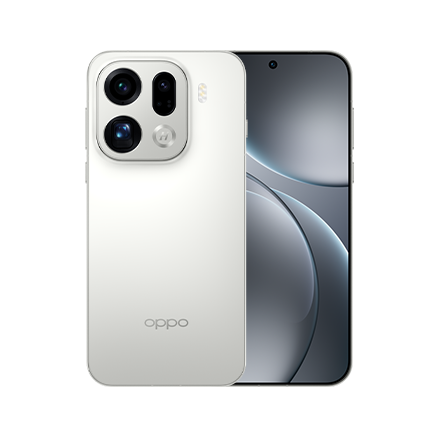
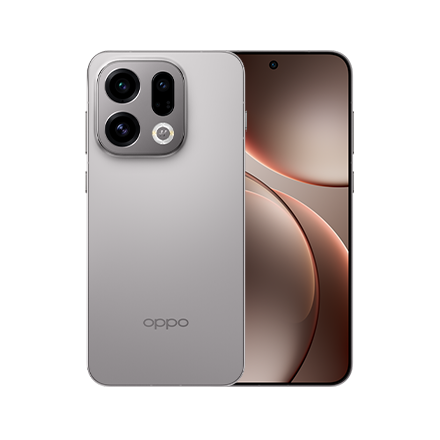








Find X9 Series: Engineering Passion Into Every Frame
Great smartphone cameras aren't new—they've been on an incredible run for years. But every new generation still has to earn its place. The Find X9 Series doesn't just ride the wave; it pushes it forward, building on the proven powerhouse that was the Find X8 Ultra while pursuing a self-imposed ambition: how do we make portraits that truly rival those of a dedicated camera?
When the teams decide which features to chase and which sensors to pursue, they have to balance three big forces: the ultimate goal for the device, the hard limits physics still imposes (there's a reason DSLRs are heavy and thick), and how far software can push us toward that perfect sweet spot.
Yet two immutable laws of photography always remain.
First, the word itself tells us everything: photo (light) + graph (to write). Light must hit the sensor. And no matter how far we've come, low-light remains the toughest battle—and the biggest opportunity.
Second, a "great" photo is, in the end, deeply subjective. That's why practice makes perfect. Photography is personal. The subject, the framing, the fleeting expression—those moments decide whether a shot feels magical or just okay. Technology can get us 95 % of the way, but the last 5 % belongs to the person holding the phone. That's why passion and engineering walk hand in hand.
Legacy Is a Promise, Not a Free Pass
No matter how fast technology moves, light has to hit a sensor, and sensors live inside a phone that has to fit in your pocket.
The team begins with the end in mind: simple, focused, beautiful capture with soft, natural light. From there, they work backwards—stockpiling high-resolution, high-dynamic-range, high-sensitivity capabilities years in advance. When it's time to define the exact scenarios, they want to nail this generation (concerts, travel, low-light portraits, quick candid moments), they pull the right hardware and algorithms together to hit those targets.
It's never "pick a sensor and build around it." It's "decide what the photo should feel like, then make the phone work toward that vision."
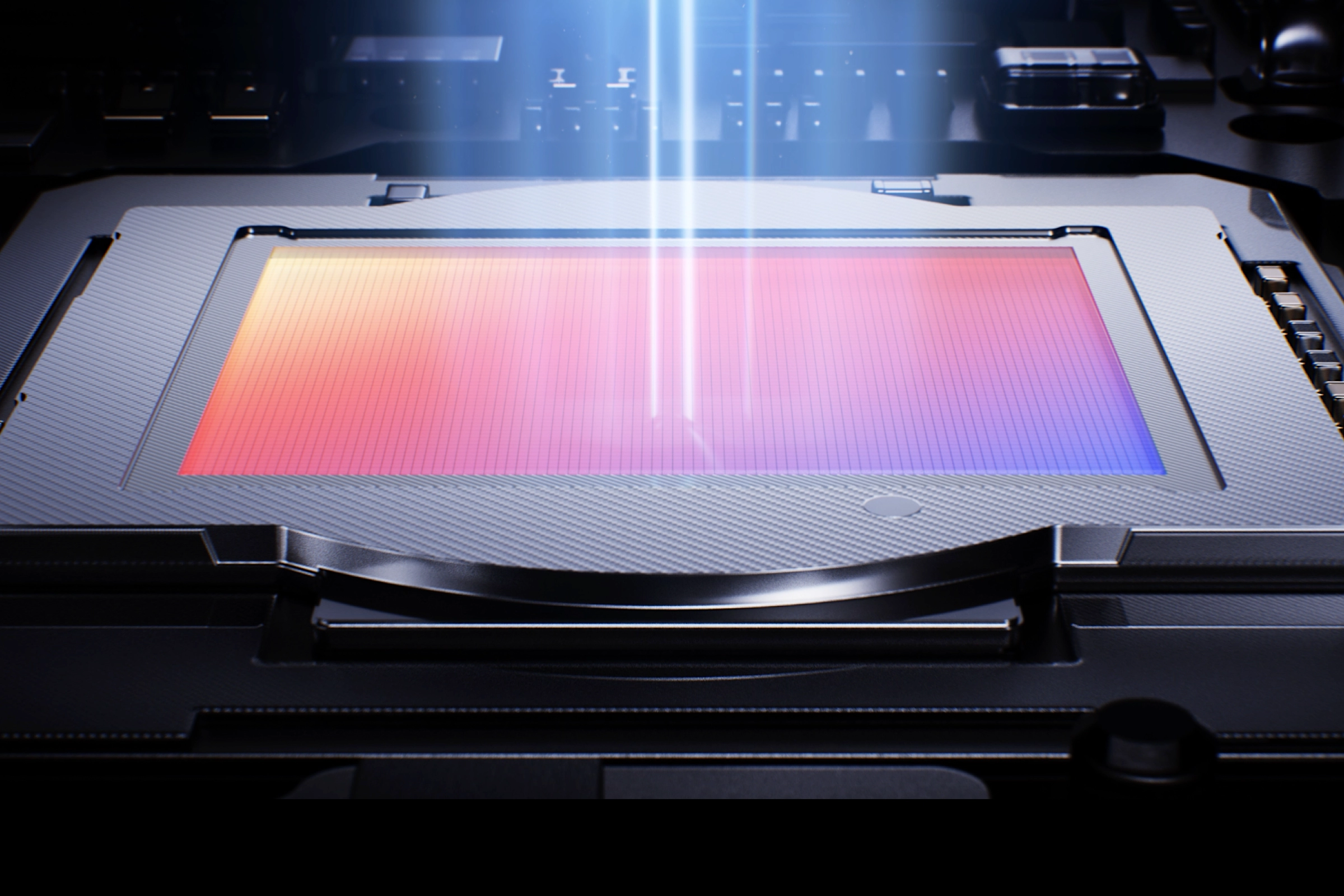
Hardware and software aren't sequential steps; they're two voices in the same song. Packed into a single module: a large 200MP sensor, an aerospace-grade glass filter, and next-gen algorithms, delivering up to 140% more light. True Color Camera, AI Telescope Zoom—these aren't add-ons. They're the reason a tiny phone sensor can get so close to a full-frame camera despite the laws of physics laughing in the background.
And AI? We're not here to "make it prettier." We're here to restore what the eye actually saw when optics or light fall short—more truthful, more natural, more real. That's the coexistence we chase hardware that reaches as far as it can, software and AI that carry it the rest of the way.
A Flagship That Lives With You. All Day
Yes, the Find X9 Series delivers portrait quality that matches a dedicated camera. But a true flagship also has to be the phone you can rely on all day, every day, without ever thinking twice about battery life, smoothness and convenience.
Smoother ColorOS, stronger performance, longer battery life, and a hand feel that rests perfectly balanced in your palm. Thanks to years of investment in module miniaturization, we've made it possible to upgrade performance while going for a smaller shape. Last year, the OPPO Find X8 Series introduced the industry-first revolutionary Triple Prism periscope system; this year, the Find X9 Series pushes it even further, so the phone feels lighter in the pocket and more comfortable whether you're shooting horizontally or vertically.
Because a flagship isn't just great when you press the shutter. It's great when it gets out of the way and lets the moment become the memory. The Find X9 Series isn't the end of the road; it's the latest proof that passion and physics can still surprise us.