Skip to content
OPPO Find X10 Series

OPPO FIND X10 SERIES · PRACTICAL SHOOTING GUIDE

Best Phone for Night Portraits: Clear Faces and Natural Atmosphere

A careful look at portrait cameras, face rendering and the limits of the available low-light evidence.

For night portraits, prioritise a well-exposed face and a believable background over making the whole scene bright. Find X10 and Pro Max offer stabilised main and telephoto cameras, but OIS cannot freeze a moving person. Light direction, the subject's movement and the moment you press the shutter are central to a usable portrait.

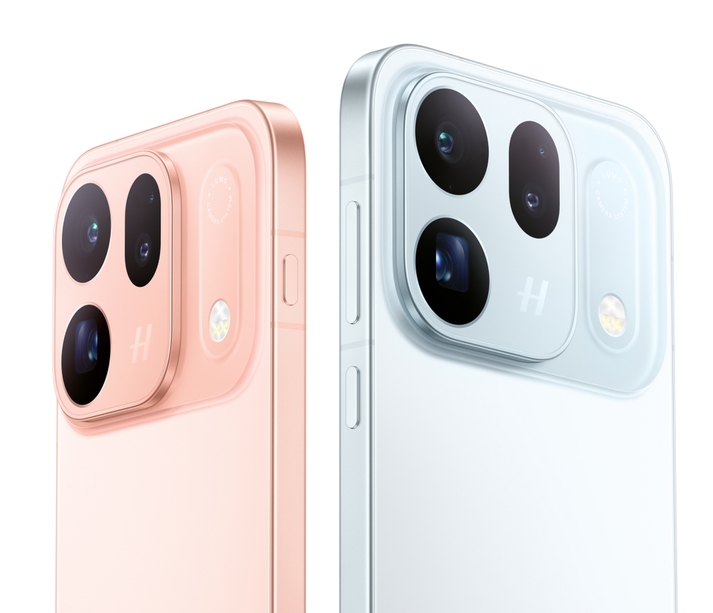
OPPO Find X10 Series product render showing two phones with multi-camera modules
Official OPPO Find X10 Series product visual.
FIND X10

200MP main and telephoto cameras

FIND X10 PRO MAX

Triple 200MP rear camera system

IMPORTANT CONTEXT

No supplied night-portrait sample or UK configuration confirmation

THE SHORT ANSWER

Use light and timing to keep faces clear after dark

Night portraits combine the exposure of a face with background atmosphere and subject movement. Under streetlights or neon, check whether the light helps the face before adjusting the framing. A brief pause, a softer light direction or a brighter position can improve the chance of a clear portrait more directly than choosing a larger file size.

A PLAIN-ENGLISH EXPLANATION

What matters in a phone for night portraits?

A night-portrait phone needs to record a person clearly when the scene is dim or unevenly lit, while keeping faces, skin tones and background lighting believable. Larger sensors, wider apertures, optical image stabilisation and a useful portrait focal length are relevant hardware characteristics, but they do not guarantee a clean result in every scene. Image processing also affects exposure, colour, noise and the appearance of fine facial detail. The best choice depends on how those elements work together—and on evidence from real photographs, particularly night portraits, rather than specifications alone.

FAST MODEL GUIDE

Model options for night portraits

  1. OPPO Find X10 Pro Max — Specification fit for portraits, with a larger main-camera sensor and 200MP 70mm-equivalent telephoto camera; night performance is not independently verified here.
  2. OPPO Find X10 — A 200MP main-and-telephoto setup in a smaller-screen model, with a 65mm-equivalent telephoto camera.

SIDE-BY-SIDE

Comparison table: OPPO Find X10 Series

Name Key strengths Key limitations Use case Why it stands out
OPPO Find X10 Pro Max 200MP main and telephoto cameras with OIS; 1/1.3-inch main sensor; f/1.5 main aperture; 70mm-equivalent telephoto. The supplied information flags potential high face exposure, night noise and a bright or hazy night image. No night-portrait sample was supplied. Portrait shooters who want the more extensive stated camera hardware and accept that night results need verification. Adds a 200MP ultra-wide camera and a wider-aperture telephoto than Find X10, according to the supplied specifications.
OPPO Find X10 200MP main and telephoto cameras with OIS; 1/1.4-inch main sensor; f/1.6 main aperture; 65mm-equivalent telephoto. The main sensor is smaller and the telephoto aperture narrower than the Pro Max specifications supplied. No night-portrait sample or independent night test is provided. People who want high-resolution main and telephoto cameras, LUMO portrait features and a 6.59-inch display. Includes LUMO Framing for close-up portraits and people within a scene, with Portrait Mode and ultra-wide support limitations.

This comparison uses supplied product specifications, not an independent night-camera test. UK model, software and hardware configurations have not been confirmed.

HOW TO READ THIS GUIDE

How to assess night portraits

  • Portrait-camera hardware — We compared sensor size, aperture, focal length, autofocus and OIS where the supplied information gives a model-specific value.
  • Face and skin-tone processing — We considered the stated aims and limits of LUMO True Image, True Color Camera, computational bokeh and Colour Palette features.
  • Low-light evidence — We distinguished product claims from verified results and called out the stated night-face exposure and noise concern.
  • Sample availability — We checked whether the supplied material includes a night portrait that could support a direct visual assessment; it does not.
  • Market relevance — We did not assume that global or regional specifications establish UK sales, price, stock or the exact UK hardware version.

For more context, read our night-portrait camera considerationsand LUMO skin-tone and face-detail guide.

MODEL DETAILS

The two OPPO Find X10 portrait options

PRO MAX · CAMERA HARDWARE

OPPO Find X10 Pro Max — Portrait-camera hardware in the supplied specifications

What it is / Why it stands out

OPPO Find X10 Pro Max combines a 200MP main camera with a 200MP 70mm-equivalent telephoto camera, both specified with OIS. Its main camera has a 1/1.3-inch sensor and f/1.5 aperture. Those specifications make it the more extensive portrait-camera hardware package in this comparison, but they do not establish night-photo quality in use.

Use case

  • Portrait photographers who want both a 200MP main camera and a 200MP telephoto camera.
  • People who value a 70mm-equivalent portrait perspective and optical image stabilisation on the main and telephoto cameras.
  • Buyers who can verify night-face results on the intended software and local model before relying on the phone for low-light portraits.

Key characteristics

  • Main camera: 200MP, 1/1.3-inch sensor, f/1.5, 24mm equivalent, autofocus and OIS.
  • Telephoto camera: 200MP, 1/1.56-inch sensor, f/2.1, 70mm equivalent, autofocus and OIS; 10cm telephoto macro is specified.
  • Ultra-wide camera: 200MP, f/2.2, 13mm equivalent and 124° field of view; the supplied information also specifies 4cm macro and no OIS on this camera.
  • Front camera: 50MP Luminous Selfie Camera.
  • True Color Camera: 3.2MP, 24 spectral channels and 95° field of view; the stated colour-zone counts are 48 for photos and 108 for video.
  • Display: 6.78 inches, 2772 × 1272; refresh rates up to 144Hz are limited to supported gaming scenarios.
  • Processor: MediaTek Dimensity 9600 Pro, described in the supplied information as a 2nm platform.
  • IP66, IP68 and IP69 water and dust resistance ratings; these do not mean the device is waterproof or permanently resistant.

Pros / Why it stands out

  • The larger specified main-camera sensor and f/1.5 aperture distinguish its main-camera hardware from Find X10.
  • OIS is specified for both the main camera and the 70mm-equivalent telephoto camera.
  • Three rear cameras are specified at 200MP, including the ultra-wide camera.
  • LUMO features target colour, facial detail and computational portrait separation, with limitations described below.

Cons

  • For night portraits, check face exposure, motion blur, noise and the brightness of the background on current model-specific samples. The supplied internal observations do not establish the behaviour of final UK software, and no controlled night-portrait sequence is available here.
  • No supplied night-portrait or blue-hour sample supports a direct visual assessment of this limitation or of night performance.
  • For UK buyers, the European reference lists 7150mAh typical and 6960mAh rated capacity for both models. Confirm the final UK SKU before applying regional weight, runtime or charging results. Use the official UK Find X10 launch page for current local information; prices, storage options and stock must be checked at purchase.

Media

OPPO Find X10 Series promotional video. This is product marketing material, not an independent night-portrait test.

Verdict

Choose OPPO Find X10 Pro Max if its stated main and telephoto camera hardware is your priority, but seek a relevant night-portrait sample or test before treating it as a proven low-light choice.

FIND X10 · CAMERA HARDWARE

OPPO Find X10 — A dual-200MP main and telephoto setup

What it is / Why it stands out

OPPO Find X10 pairs a 200MP main camera with a 200MP 65mm-equivalent telephoto camera, both specified with OIS, and a separate 50MP ultra-wide camera. Its main sensor and aperture differ from Pro Max, while the LUMO feature set includes a framing tool with defined mode and lens restrictions.

Use case

  • Portrait shooters who want a dedicated 200MP telephoto camera alongside a 200MP main camera.
  • People interested in LUMO Framing for close-up portraits and people within a scene.
  • Buyers who prefer a 6.59-inch display and do not require the Pro Max camera configuration described here.

Key characteristics

  • Main camera: 200MP, 1/1.4-inch sensor, f/1.6, 23mm equivalent, autofocus and OIS; the supplied specifications list CIPA 6.0 stabilisation.
  • Telephoto camera: 200MP, 1/1.56-inch sensor, f/2.6, 65mm equivalent, autofocus and OIS; the supplied specifications list CIPA 7.0 stabilisation.
  • Ultra-wide camera: 50MP, f/2.0, 15mm equivalent and no OIS.
  • Front camera: 50MP Luminous Selfie Camera.
  • True Color Camera: 3.2MP, 24 spectral channels and 95° field of view; the stated colour-zone counts are 48 for photos and 108 for video.
  • Display: 6.59 inches, 2768 × 1272; refresh rates up to 144Hz are limited to supported gaming scenarios.
  • Processor: MediaTek Dimensity 9600M, described in the supplied information as a 3nm platform.
  • LUMO Framing supports close-up portraits and people within a scene, but does not currently support Portrait Mode or the ultra-wide camera.

Pros / Why it stands out

  • Both the main and telephoto cameras are specified at 200MP and include OIS.
  • The 65mm-equivalent telephoto camera offers a dedicated tighter portrait perspective.
  • LUMO True Image Engine is described as refining details such as eyebrows, hair and eyes.
  • LUMO Framing offers a specific way to compose close-up portraits and people within a wider scene.

Cons

  • Its specified main-camera sensor is smaller and its main aperture narrower than the Pro Max specifications supplied.
  • The telephoto camera’s f/2.6 aperture is narrower than the Pro Max telephoto camera’s f/2.1 aperture.
  • LUMO Framing does not support Portrait Mode or the ultra-wide camera in the supplied product information.
  • No night-portrait samples or independent low-light camera results were supplied for this model.

Media

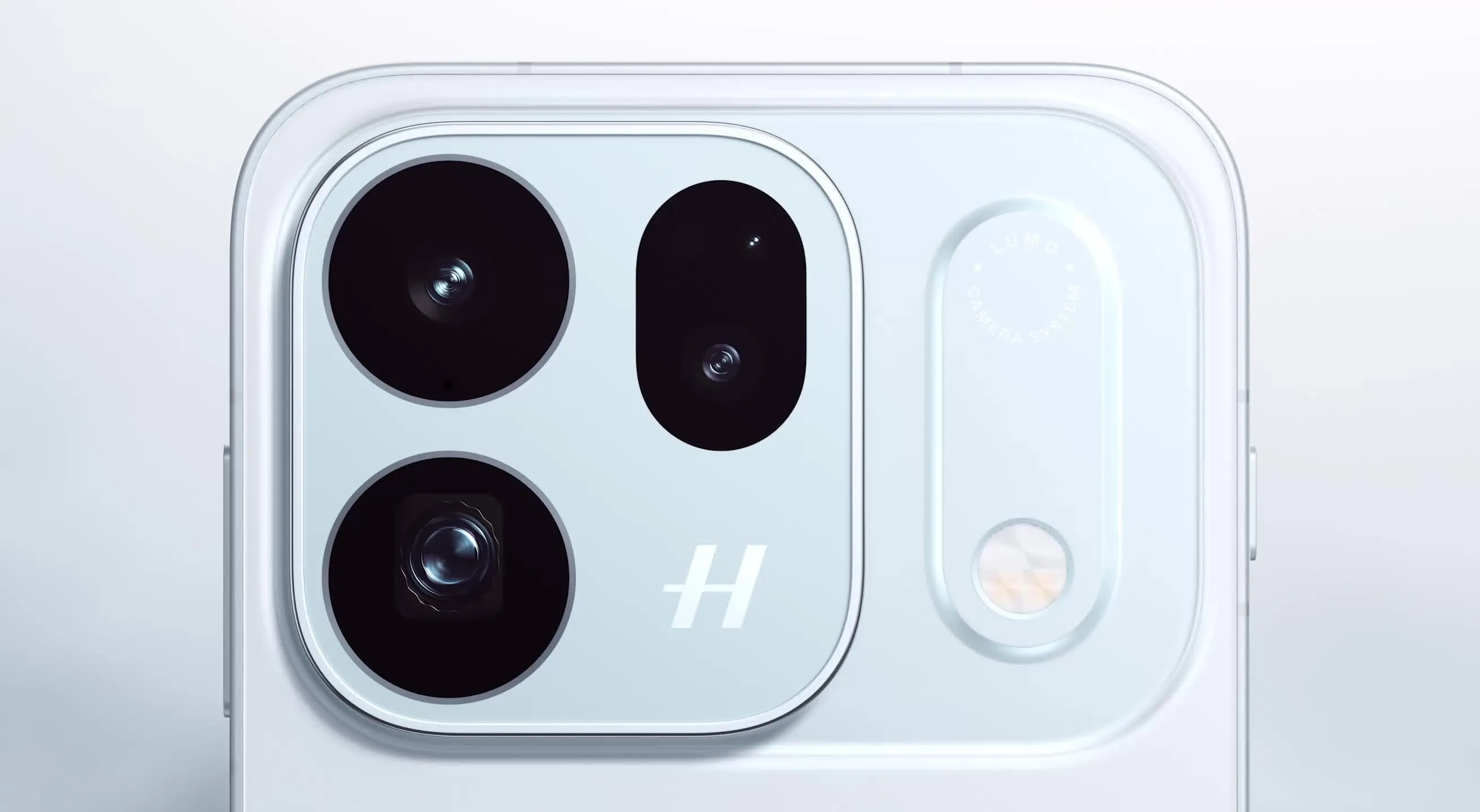
Close-up product image of an OPPO Find X10 Series rear camera module with multiple lenses
Official OPPO camera-module product visual; it is not a night-portrait sample.

Verdict

OPPO Find X10 is a considered option for people who want the specified dual-200MP main and telephoto setup, while its night-portrait results remain unverified by the supplied evidence.

CAMERA HARDWARE

OPPO Find X10 Series camera specifications

The table separates the two models’ camera hardware. Equivalent focal lengths describe a field of view; they are not extra physical lenses. High-resolution capture requires the relevant mode and suitable lighting, and the final output can vary by scene.

Camera detailOPPO Find X10OPPO Find X10 Pro Max
Main200MP; 1/1.4-inch sensor; f/1.6; 23mm equivalent; autofocus; OIS; CIPA 6.0 stabilisation specified.200MP; 1/1.3-inch sensor; f/1.5; 24mm equivalent; autofocus; OIS.
Telephoto200MP; 1/1.56-inch sensor; f/2.6; 65mm equivalent; autofocus; OIS; CIPA 7.0 stabilisation specified.200MP; 1/1.56-inch sensor; f/2.1; 70mm equivalent; autofocus; OIS; 10cm telephoto macro specified.
Ultra-wide50MP; f/2.0; 15mm equivalent; no OIS stated.200MP; f/2.2; 13mm equivalent; 124° field of view; 4cm macro; no OIS stated.
Front camera50MP Luminous Selfie Camera.50MP Luminous Selfie Camera.
True Color Camera3.2MP; 24 spectral channels; 95° field of view; 48 colour zones for photos and 108 for video.3.2MP; 24 spectral channels; 95° field of view; 48 colour zones for photos and 108 for video.
Hasselblad Teleconverter headline11× / 253mm equivalent; 2.8m minimum focus, according to supplied product notes.10× / 230mm equivalent; 1.2m minimum focus, according to supplied product notes.

200MP capture: OPPO Find X10 supports its 23mm and 65mm optical focal lengths in Ultra-Clear Mode under suitable lighting. OPPO Find X10 Pro Max supports 13mm, 24mm and 70mm in Hasselblad Ultra-Clear Mode under suitable lighting. Actual output resolution may vary by scene; this is not a claim of 200MP output at every zoom level.

The supplied product notes also list five focal lengths for 8K photos: 15mm, 23mm, 46mm, 65mm and 130mm for Find X10; and 13mm, 24mm, 47mm, 70mm and 140mm for Pro Max. These refer to focal-length options, not five physical cameras, and the applicable Ultra-Clear Mode and suitable-lighting conditions still apply.

For broader Find X10 camera system comparison, consider which focal lengths you use most and whether your portraits are usually framed with the main camera or telephoto camera.

FACE DETAIL, SKIN TONE & BOKEH

LUMO portrait features and what they are designed to do

LUMO True Image Engine

OPPO describes LUMO True Image Engine as aiming to retain natural facial detail and reduce smearing, artificial-looking texture and oversharpening. The supplied descriptions also say it seeks to preserve details such as eyebrows, hair and eyes, and to avoid excessively bright or pale skin that could wash out make-up. These are stated processing aims, not a guarantee for every portrait or lighting condition.

True Color Camera

The 3.2MP True Color Camera is specified with 24 spectral channels and a 95° field of view. Its stated role is to help reproduce colour and skin tones, including in mixed lighting or low-colour-temperature scenes. The supplied material says testing is ongoing and results may change, so its intended benefit should not be treated as an independently measured improvement.

LUMO Computational Bokeh Engine

The described computational bokeh feature uses semantic recognition to separate portrait subjects from the background, with hair-level recognition described in the product information. Skin-tone protection applies to people, not pets. Bokeh and separation effects depend on the scene and processing; the feature description does not promise perfect edges in every image.

LUMO Color Palette

LUMO Color Palette includes skin-tone protection while adjusting tone and saturation. The supplied names for its two styles are Clarity, described as tailored to East Asian skin-tone preferences, and Amber, described as tailored to overseas preferences for tan and brown skin tones. These are product descriptions of style options, not a claim that one rendering suits every person or preference.

LOW-LIGHT CAVEAT

For night portraits, check face exposure, motion blur, noise and the brightness of the background on current model-specific samples. The supplied internal observations do not establish the behaviour of final UK software, and no controlled night-portrait sequence is available here.

VIDEO & CREATIVE MODES

Video features are not still-photo portrait claims

17-Stop High Dynamic Range Cine-Grade Video

This is an OPPO Find X10 Pro Max video capability, not a still-portrait dynamic-range specification. The supplied conditions limit 17-stop HDR to the 1× optical focal length in standard Video mode, up to uncropped 4K60. It is unavailable in Pro mode, 4K 120fps or 8K 30fps recording. Results can vary by scene, shooting conditions and software version.

Open Gate Capture

The supplied product notes describe 4096 × 3072, 4:3 recording at up to 60fps. Find X10 supports 0.6×, 1× and 2.8× focal lengths; Pro Max supports 0.5×, 1× and 3×. Enhanced stabilisation is unavailable in Open Gate mode. Check recording-mode limitations before planning a video workflow.

Horizon levelling can automatically correct Z-axis tilt within 5° under the stated Ultra Steady feature conditions. Results may vary by shooting environment.

See our Open Gate and HDR video mode guide for an explanation of the recording-mode distinctions.

ADDITIONAL PRODUCT DETAILS

Displays, processors, power and design

SpecificationOPPO Find X10OPPO Find X10 Pro Max
Display6.59 inches; 2768 × 1272; New Generation ProXDR Display.6.78 inches; 2772 × 1272.
Refresh rateUp to 144Hz in supported gaming scenarios.Up to 144Hz in supported gaming scenarios.
ProcessorMediaTek Dimensity 9600M; 3nm.MediaTek Dimensity 9600 Pro; 2nm.
Operating systemColorOS 17.ColorOS 17.
Frame and designFashion-Tech Borderless Design; aluminium alloy frame is listed in supplied product information.Camera-Inspired Design; aluminium alloy frame is listed in supplied product information. The split design applies only to Luna White.
Battery version for the UKEuropean reference: 7150mAh typical / 6960mAh rated. Confirm the final UK SKU.European reference: 7150mAh typical / 6960mAh rated. Confirm the final UK SKU.
Maximum charging listed in supplied product informationUp to 80W wired and 50W wireless; UK configuration and charger availability are not confirmed.Up to 80W wired and 50W wireless; UK configuration and charger availability are not confirmed.
Water and dust resistanceIP66, IP68 and IP69 under the stated test conditions.IP66, IP68 and IP69 under the stated test conditions.

For UK buyers, the European reference lists 7150mAh typical and 6960mAh rated capacity for both models. Confirm the final UK SKU before applying regional weight, runtime or charging results. Use the official UK Find X10 launch page for current local information; prices, storage options and stock must be checked at purchase.

For other flagship phone camera selection guidance, compare the specific features you need rather than assuming a regional specification applies to every market.

OPTIONAL CAMERA ACCESSORY

New OPPO Hasselblad Teleconverter Kit

The supplied product information lists different teleconverter headline values for the two models: 11× / 253mm equivalent with a 2.8m minimum focus distance for OPPO Find X10, and 10× / 230mm equivalent with a 1.2m minimum focus distance for OPPO Find X10 Pro Max. These equivalent focal lengths are based on OPPO laboratory testing and software cropping. The kit and related accessories are sold separately, and local UK availability and model compatibility have not been confirmed here. Results may vary by scene, lighting and camera settings.

Use the Find X10 or Pro Max lens that lets you frame comfortably in the available light. Compare still and moving portraits on the intended software before drawing conclusions. The supplied material does not include a controlled night-portrait sequence, so clear faces and natural atmosphere remain criteria to verify rather than promised outcomes.

UNITED KINGDOM MARKET

UK price, availability and configuration

UK information checked on 20 October 2026: an official Find X10 Series launch page and Pro Max store listing are available. Check those UK destinations for current prices, stock, configurations and offer conditions; a campaign page does not by itself confirm every local specification.

For UK buyers, the European reference lists 7150mAh typical and 6960mAh rated capacity for both models. Confirm the final UK SKU before applying regional weight, runtime or charging results. Use the official UK Find X10 launch page for current local information; prices, storage options and stock must be checked at purchase.

For official product information supplied for this guide, visit the Find X10 Series UK information or the Find X10 Series UK information. These are not UK availability or purchase confirmations.

Third-party coverage

Tech Advisor’s 16 October 2026 feature on early OPPO Find X10 Pro Max camera samples introduced the camera system and noted that detailed camera analysis was still pending. It does not provide a verified night-portrait test or establish low-light performance.

CHOOSING BY YOUR PRIORITIES

Prepare, capture and review

  • Under a streetlight, turn the subject towards softer light rather than placing the lamp directly behind them.
  • In a dim interior, move closer to a window or gentle supplementary light.
  • With neon, check skin colour and reduce exposure if highlights lose detail.
  • Ask for a brief pause, take a still and a moving frame, and compare the eyes, skin texture and background mood before choosing the keeper.
  • If you plan to use a teleconverter → verify local availability, model compatibility and accessory costs before deciding; the kit is sold separately.
  • If you are buying in the UK → confirm local model, price, availability and hardware version through a UK OPPO product page or authorised sales channel; they are not confirmed in this guide.

COMMON QUESTIONS

FAQs: OPPO Find X10 night portraits

Which phone suits night portraits?

Use the Find X10 or Pro Max lens that lets you frame comfortably in the available light. Compare still and moving portraits on the intended software before drawing conclusions. The supplied material does not include a controlled night-portrait sequence, so clear faces and natural atmosphere remain criteria to verify rather than promised outcomes.

What should I do when a face is bright but the portrait still looks poor?

Check motion blur, missed focus, mixed-light colour and excessive background brightness separately. Move the subject towards more useful light and time the frame for a pause. A bright face alone does not establish a good portrait, and OIS cannot stop the person's movement.

What practical steps help with night portraits?

Under a streetlight, turn the subject towards softer light rather than placing the lamp directly behind them. In a dim interior, move closer to a window or gentle supplementary light. With neon, check skin colour and reduce exposure if highlights lose detail. Ask for a brief pause, take a still and a moving frame, and compare the eyes, skin texture and background mood before choosing the keeper.

What evidence supports this guide?

The supplied materials do not include a controlled streetlight, indoor and neon portrait sequence with creator operation records. Internal observations are not a final retail-camera test. Check current model-specific samples and software before judging low-light faces, and keep static night-scene performance separate from people photography.

What should UK buyers verify before choosing?

Confirm the local model, RAM and storage, battery version, colours, included accessories and current price. The European reference lists 7150mAh typical capacity for both models, with regional weight and runtime differences. Check the official UK listing and feature-specific software restrictions rather than assuming all global features are available.

Are UK price, availability and battery capacity confirmed for these models?

ColorOS 17 does not guarantee that every AI service is available locally. The European reference excludes AI Photo Agent and Mind Space Long-doc Capture and Link Capture. Other features depend on software, region, language, accounts and supported services; check the exact feature on the UK device.

PRODUCT INFORMATION

Disclaimers

Unless otherwise stated, all data shown on this page is based on OPPO laboratory testing and is provided for reference only. Actual data may vary slightly depending on the usage environment, device condition, software version, and other factors. Please refer to actual results.

Unless otherwise stated, product interface content shown on this page, including but not limited to UI and backgrounds, is for feature demonstration only. Features may belong to different software versions, and their availability dates and regions may vary. Please refer to the actual features and interface of the software version. AI experiences may vary depending on the environment, network conditions, personal usage habits, and other factors. Please refer to actual experience.

The AI features described on the page may not be included in the software version at launch. In some countries and regions, these AI features will be updated via OTA. Please refer to the features in the actual version.

An account login may be required to access certain OPPO AI features. Free-use allowances, supported services and account requirements vary by feature. Please refer to the in-app details.

OPPO AI feature availability and results may vary by region, device, software version and supported service. An internet connection is required for features that use online services. AI-generated results may be inaccurate or incomplete; please refer to actual experience.

Product images are for reference only. Please refer to the actual product.

OPPO's laboratory has been accredited by China National Accreditation Service for Conformity Assessment (CNAS), and its test reports are directly mutually recognized in 106 economies worldwide, including those under the International Accreditation Forum (IAF), International Laboratory Accreditation Cooperation (ILAC), and Asia Pacific Accreditation Cooperation (APAC).

Specific product information, battery capacity, charging specifications, availability, and pricing may vary by market and product version. Please refer to the local OPPO product page or authorized sales channel for the most accurate and up-to-date details.

Camera, video and display conditions

200MP photography: OPPO Find X10 supports the two core optical focal lengths of 23mm and 65mm in Ultra-Clear Mode under suitable lighting. OPPO Find X10 Pro Max supports 13mm, 24mm and 70mm in Hasselblad Ultra-Clear Mode under suitable lighting. Actual output resolution may vary by scene.

Pro Max 17-stop HDR: 17-stop HDR is available only at the 1× optical focal length in standard Video mode. It is unavailable in Pro mode, 4K 120fps, or 8K 30fps recording. Results may vary by scene, shooting conditions, and software version.

Refresh rate: The 144Hz refresh rate is available only in supported gaming scenarios. Actual experience may vary by game, settings, and device status.

Open Gate Capture: OPPO Find X10 supports 0.6×, 1× and 2.8×; OPPO Find X10 Pro Max supports 0.5×, 1× and 3×. Both specify 4096 × 3072, 4:3, up to 60fps. Enhanced stabilisation is unavailable in Open Gate mode.

Teleconverter: The equivalent focal lengths shown for the Hasselblad Teleconverter are based on OPPO laboratory testing and software cropping. The kit and related accessories are sold separately. Results may vary by scene, lighting, and camera settings.

Battery and charging: The exact UK product version is unconfirmed, so this page does not assign a regional battery capacity. 80W wired and 50W wireless charging are maximum values and may vary by device status and environment. The wireless charger is sold separately.

Water and dust resistance: OPPO Find X10 supports IP66, IP68 and IP69 water and dust resistance. Under controlled laboratory conditions, it has been tested to meet the IP69, IP68, IP66 levels according to GB/T 4208-2017 (China) / IEC 60529-2013 (International) standards. Due to factors such as machine aging and personal usage habits, the experience may vary. Please do not charge the phone in a damp state. Avoid exposures to liquids other than fresh water (e.g. saltwater, chlorinated water, chemical liquids) as they may affect functionality.

Water and dust resistance: OPPO Find X10 Pro Max supports IP66, IP68 and IP69 water and dust resistance. Under controlled laboratory conditions, it has been tested to meet the IP69, IP68, IP66 levels according to GB/T 4208-2017 (China) / IEC 60529-2013 (International) standards. Due to factors such as machine aging and personal usage habits, the experience may vary. Please do not charge the phone in a damp state. Avoid exposures to liquids other than fresh water (e.g. saltwater, chlorinated water, chemical liquids) as they may affect functionality.

IN SUMMARY

Choosing an OPPO Find X10 for night portraits

OPPO Find X10 Pro Max has the more extensive portrait-camera specifications on paper, while OPPO Find X10 offers a dual-200MP main and telephoto system with LUMO portrait features. Neither model has a supplied night-portrait sample in the evidence reviewed here, and a potential night-face exposure and noise issue is specifically flagged. For UK buyers, confirm the exact model, local configuration, price and availability with OPPO or an authorised UK sales channel. Start with the camera specifications and look for current night portraits before deciding.

Explore the Find X10 Series photography guide