Unless otherwise stated, all data shown on this page is based on OPPO laboratory testing and is provided for reference only. Actual data may vary slightly depending on the usage environment, device condition, software version, and other factors. Please refer to actual results.
Unless otherwise stated, product interface content shown on this page, including but not limited to UI and backgrounds, is for feature demonstration only. Features may belong to different software versions, and their availability dates and regions may vary. Please refer to the actual features and interface of the software version. AI experiences may vary depending on the environment, network conditions, personal usage habits, and other factors. Please refer to actual experience.
The AI features described on the page may not be included in the software version at launch. In some countries and regions, these AI features will be updated via OTA. Please refer to the features in the actual version.
An account login may be required to access certain OPPO AI features. Free-use allowances, supported services and account requirements vary by feature. Please refer to the in-app details.
OPPO AI feature availability and results may vary by region, device, software version and supported service. An internet connection is required for features that use online services. AI-generated results may be inaccurate or incomplete; please refer to actual experience.
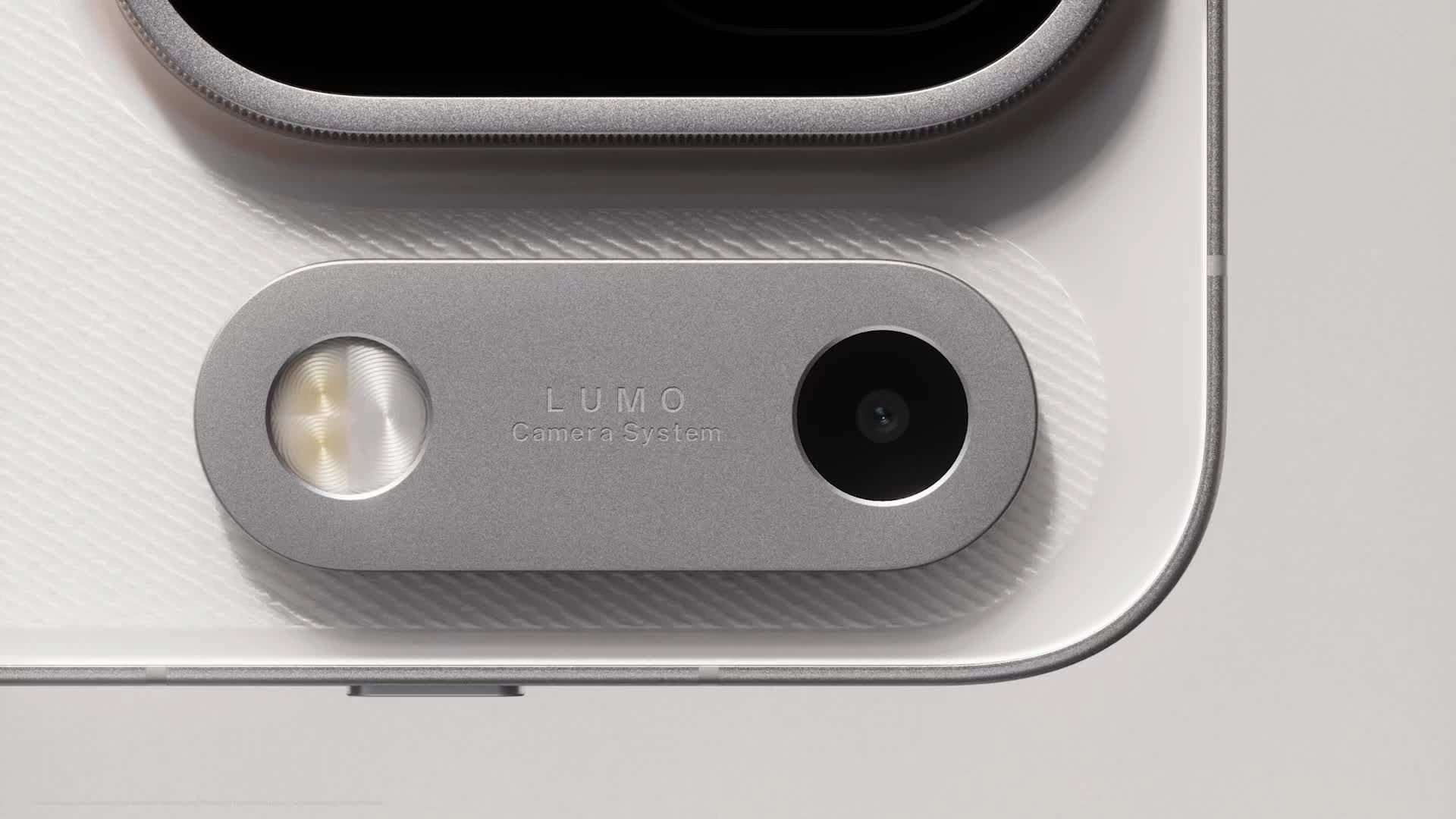
Product images are for reference only. Please refer to the actual product.
OPPO's laboratory has been accredited by China National Accreditation Service for Conformity Assessment (CNAS), and its test reports are directly mutually recognized in 106 economies worldwide, including those under the International Accreditation Forum (IAF), International Laboratory Accreditation Cooperation (ILAC), and Asia Pacific Accreditation Cooperation (APAC).
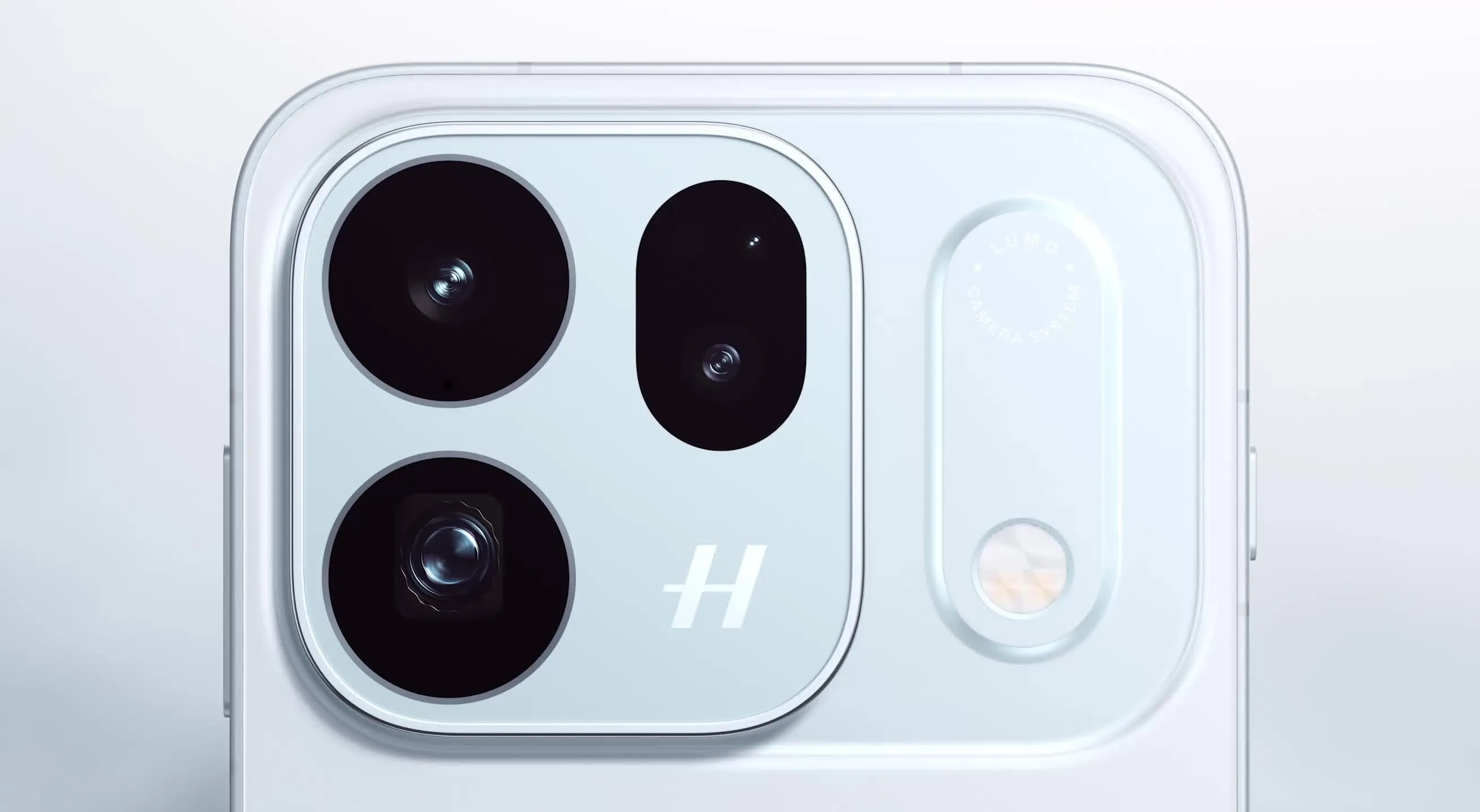
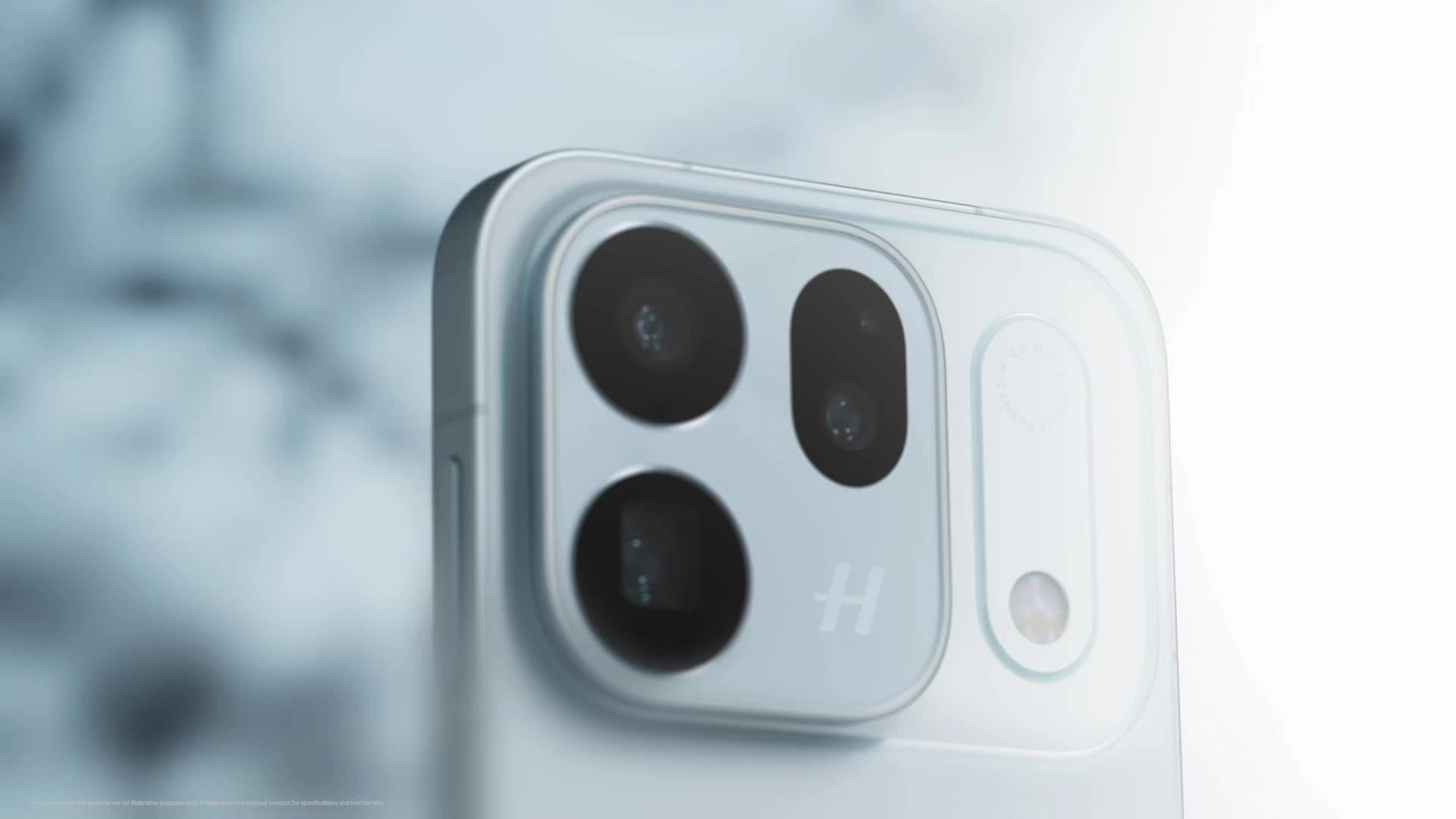
Both models offer dedicated stabilised telephoto cameras; Pro Max's specified telephoto aperture is wider. That difference is a reason to inspect matched concert originals, not proof of cleaner faces from every seat. Judge still-photo results separately from video, live sound and continuous zoom behaviour.
200MP photography: Find X10 supports its 23mm and 65mm optical focal lengths in Ultra-Clear Mode under suitable lighting. Find X10 Pro Max supports its 13mm, 24mm and 70mm optical focal lengths in Hasselblad Ultra-Clear Mode under suitable lighting. Actual output resolution may vary by scene. This does not imply 200MP output at every zoom level.
17-stop HDR video: Available only at the 1× optical focal length in standard Video mode. It is unavailable in Pro mode, 4K 120fps, or 8K 30fps recording. Results may vary by scene, shooting conditions, and software version.
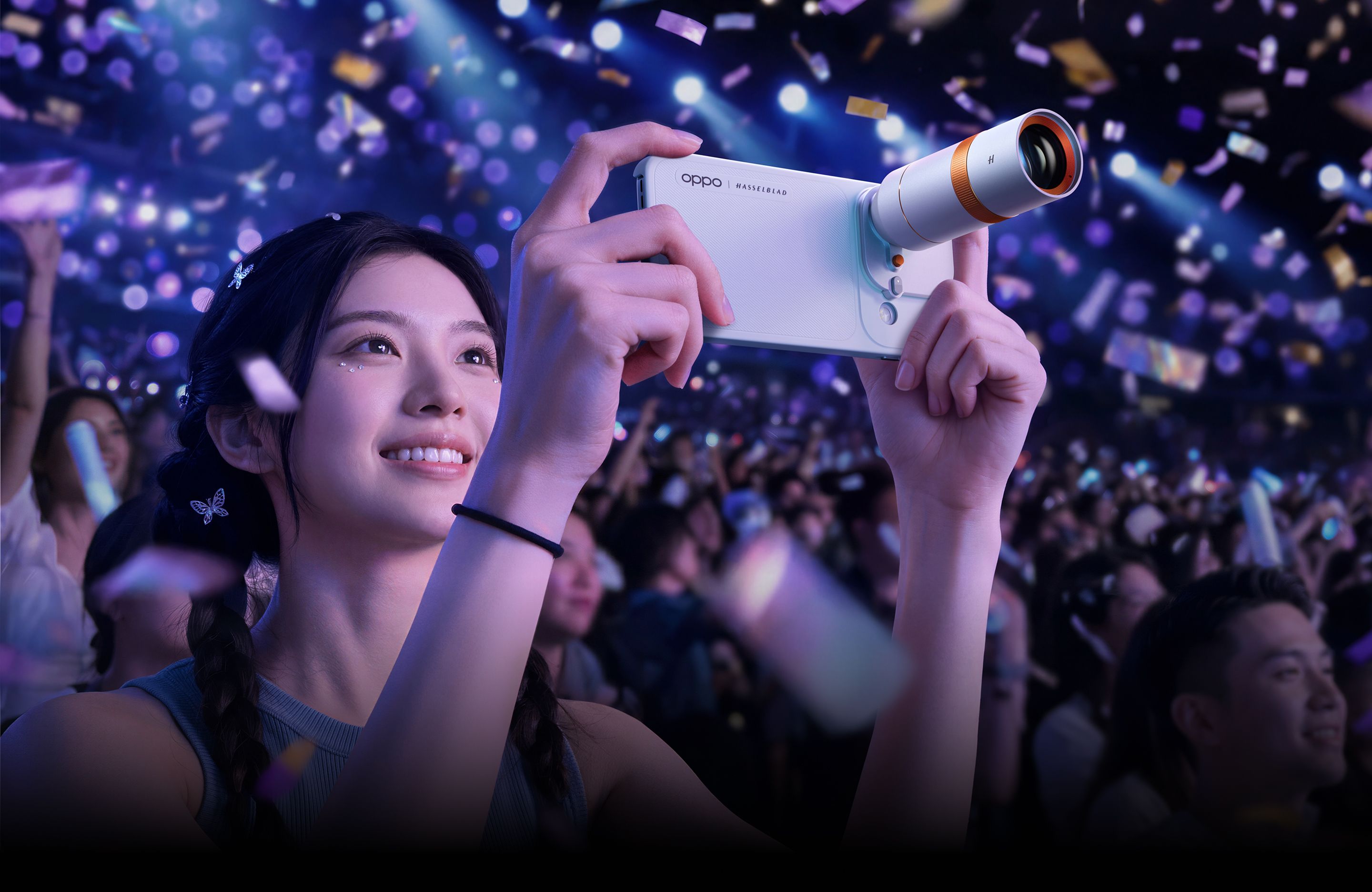
Teleconverter: The equivalent focal lengths shown for the Hasselblad Teleconverter are based on OPPO laboratory testing and software cropping. The kit and related accessories are sold separately. Results may vary by scene, lighting, and camera settings. Direct teleconverter Motion Photos are 2K; extracting Motion Photos from 4K video does not establish direct 4K output.
Open Gate Capture: Find X10 supports 0.6×, 1× and 2.8×; Find X10 Pro Max supports 0.5×, 1× and 3×. Both specify 4096 × 3072, 4:3, up to 60fps. Enhanced stabilisation is unavailable in Open Gate mode.
144Hz refresh rate: The 144Hz refresh rate is available only in supported gaming scenarios. Actual experience may vary by game, settings, and device status.
Evidence scope: No supplied source establishes independent low-light concert testing for either product. The third-party early sample article cited above does not provide detailed camera analysis or establish concert conditions.