Skip to content
OPPO Find X10 Series Photography & product guide

OPPO FIND X10 SERIES · FEATURE GUIDE

Best Phone for Natural Bokeh: Subject Separation and Background Blur

A portrait-focused look at the cameras, lenses and image processing behind subject separation on OPPO Find X10 and OPPO Find X10 Pro Max.

Natural bokeh is about more than a strongly blurred background. Look for believable transitions through depth, clean subject edges and appropriate foreground separation. Find X10 Series portrait processing includes LUMO Computational Bokeh, while lens choice and subject-to-background distance also affect the look. Complex hair, glasses and overlapping objects remain useful checks.

Find X10 Pro Max70mm · f/2.1 telephoto

Find X1065mm · f/2.6 telephoto

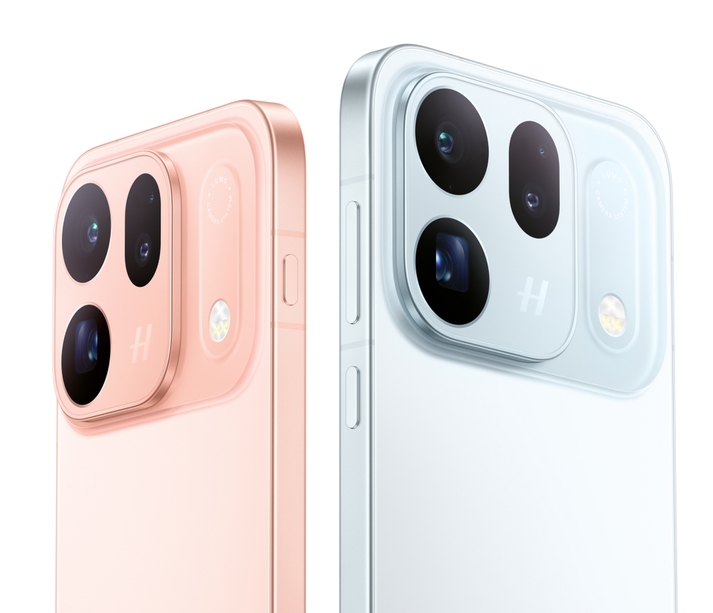
OPPO Find X10 Series phone backs shown at an angle against a light background
OPPO product image supplied for the Find X10 Series.

A practical guide to portrait blur

Check hair, glasses and the space around the subject

Bokeh describes how the out-of-focus parts of a photograph appear, while background blur is the visible separation between a sharp subject and a softer background. A camera lens can create optical blur; portrait software can also estimate the subject and background and apply a blur effect. People taking portraits, close-ups or candid photographs often care about both, but the result depends on the lens, distance, light, framing and processing—not megapixels alone. For more on the camera options, explore the Find X10 Series portrait camera system.

OPPO FIND X10

Portrait framing at 65mm

Assess bokeh in the transition from sharp subject to blurred surroundings. Hair, glasses, gaps between fingers and objects crossing the subject are useful stress points. Compare the same composition with different subject-to-background distances and any supported blur settings, keeping output size constant. A strong blur effect can conceal an unconvincing edge rather than improve the portrait.

See Find X10 portrait camera details

OPPO FIND X10 PRO MAX

Portrait framing at 70mm

The 200MP telephoto camera has a 70mm-equivalent focal length, a 1/1.56-inch sensor and an f/2.1 aperture. It also includes autofocus, optical image stabilisation and 10cm telephoto macro capability. The product description specifically identifies natural optical bokeh and dimensional portraits.

Explore Pro Max telephoto photography

The camera systems

Portrait lenses, optical blur and close-up detail

The Find X10 Series pairs Hasselblad-branded camera features with LUMO image processing. For natural-looking portraits, the telephoto lens is particularly relevant: its focal length shapes framing, while aperture, subject distance, background distance and lighting all affect optical separation. A telephoto portrait lens guide can help explain why focal length matters when choosing how to frame a subject.

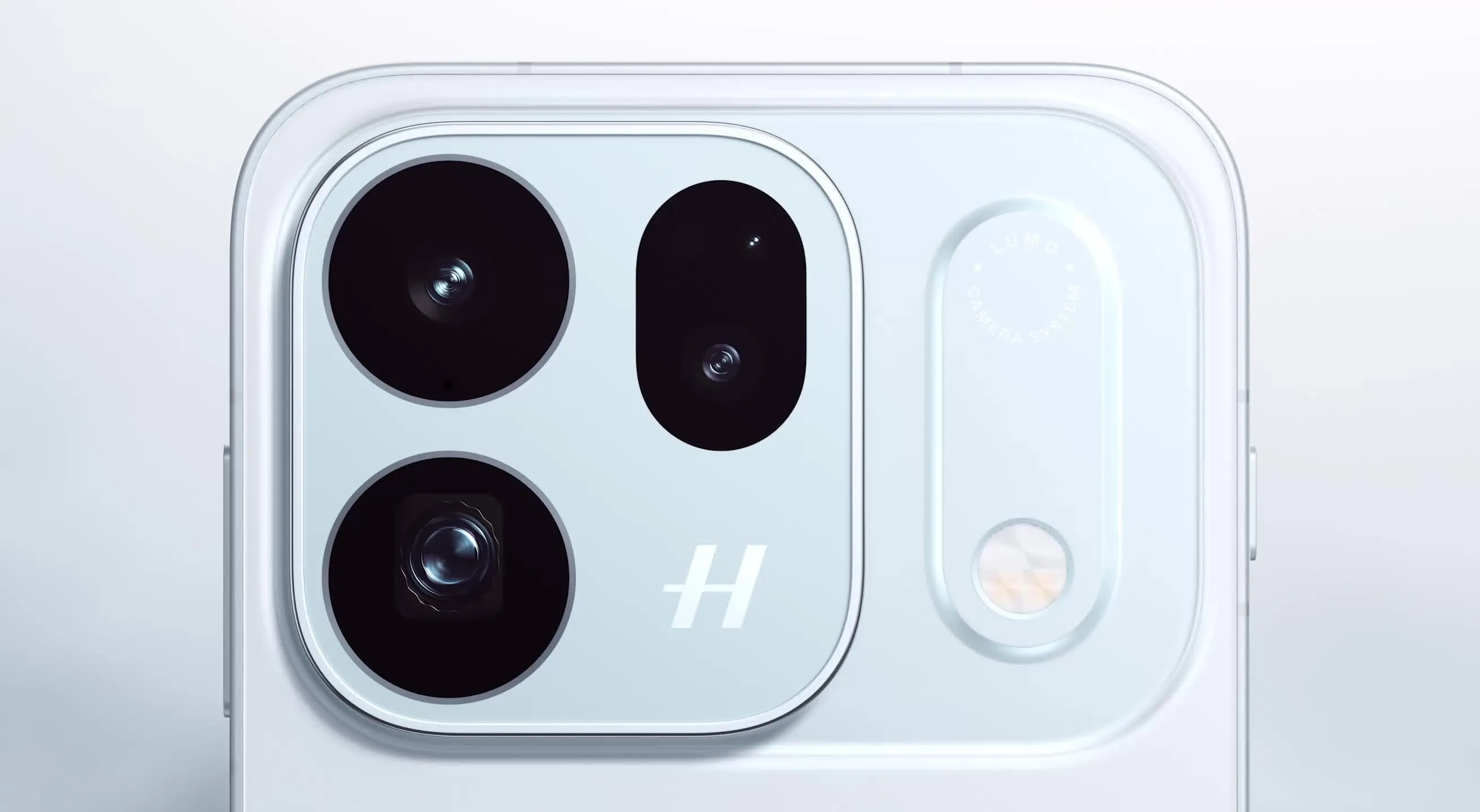
Close view of an OPPO Find X10 Series rear camera module
OPPO-supplied product image showing the Find X10 Series camera module.
Portrait-oriented OPPO product-page photograph of a woman outdoors among grasses
OPPO product-page portrait imagery. It is illustrative product material, not an independent camera test.
Wide OPPO product-page photograph of a woman near a coastal sunset
OPPO-supplied wide-format photography imagery.
OPPO product-page image of a woman and a colourful bird in green foliage
OPPO-supplied camera-page imagery; no independent capture conditions are stated here.

Portrait processing

Understand the feature and its practical limits

Move the subject farther from the background and keep the camera at a comfortable portrait distance. Make one frame with a simple backdrop and another with fine branches or busy lights. Compare hair, glasses, gaps between arms and any foreground object at the same viewing size. If the blur looks cut out, reduce the effect where the selected mode allows it or simplify the composition and retake the photograph.

Understand computational portrait blur
01 · Identify

Subject segmentation

The described processing uses semantic masks to identify portrait regions, with product material referring to hair-level precision. The feature description supports people, not pets.

02 · Preserve

Tone and saturation mapping

The processing pipeline includes tone and saturation mapping, including skin-tone protection, before the final portrait effect is applied.

03 · Finish

Film-style application

A film-style effect is applied after segmentation and tone mapping. Computational blur is image processing, so it should not be confused with optical background blur created by the lens.

OPPO Find X10

Dual 200MP Camera System (Co-developed with Hasselblad)

The rear system pairs a 200MP main camera and 200MP telephoto camera with a 50MP ultra-wide camera. Product information identifies two core optical focal lengths, 23mm and 65mm, for Ultra-Clear Mode under suitable lighting.

LUMO True Color Engine

The True Colour Engine works with the True Color Camera to support natural colour in photos, Motion Photos and video. LUMO Natural Tone Engine is described as preserving layers of light and shade.

OPPO Find X10 Pro Max

Triple 200MP Camera System (Co-developed with Hasselblad)

The 200MP ultra-wide, main and telephoto cameras offer 13mm, 24mm and 70mm-equivalent focal lengths. Hasselblad Ultra-Clear Mode supports 200MP capture at those stated optical focal lengths under suitable lighting; actual output resolution can vary by scene.

LUMO True Color Engine

The Pro Max also features LUMO True Color Engine. Its 13mm ultra-wide camera has a 124° field of view and 4cm macro capability; the telephoto offers 10cm telephoto macro.

A closer look at the camera system

See the Find X10 Series launch film

This OPPO promotional video introduces the Find X10 Series. It is brand-produced material, rather than a third-party review or a controlled portrait comparison.

OPPO Find X10 Series promotional video. Video source: OPPO.

Product comparison

OPPO Find X10 vs Find X10 Pro Max specifications

The table summarises the model-specific specifications supplied for this page. It does not establish a UK retail configuration, local stock, price or warranty. For a broader guide to the imaging range, see Find X10 Series camera capabilities.

Specifications as provided in the product information. Availability and hardware can vary by market and product version.
Specification OPPO Find X10 OPPO Find X10 Pro Max
Rear camera system 200MP main, 200MP telephoto, 50MP ultra-wide 200MP main, 200MP telephoto, 200MP ultra-wide
Main camera 1/1.4-inch sensor; f/1.6; 23mm equivalent 1/1.3-inch sensor; f/1.5; 24mm equivalent
Telephoto camera 1/1.56-inch sensor; f/2.6; 65mm equivalent; autofocus and OIS 1/1.56-inch sensor; f/2.1; 70mm equivalent; autofocus, OIS and 10cm telephoto macro
Ultra-wide camera 50MP; f/2.0; 15mm equivalent; no OIS 200MP; f/2.2; 13mm equivalent; 124° field of view; 4cm macro; no OIS
Front camera 50MP Luminous Selfie Camera 50MP Luminous Selfie Camera
Ultra-Clear focal lengths 23mm and 65mm in Ultra-Clear Mode, under suitable lighting 13mm, 24mm and 70mm in Hasselblad Ultra-Clear Mode, under suitable lighting
Teleconverter headline 11× / 253mm equivalent; 2.8m minimum focus 10× / 230mm equivalent; 1.2m minimum focus
Display 6.59-inch ProXDR; 2768 × 1272 6.78-inch ProXDR; 2772 × 1272
Refresh rate Up to 144Hz in supported gaming scenarios Up to 144Hz in supported gaming scenarios
Processor MediaTek Dimensity 9600M; 3nm MediaTek Dimensity 9600 Pro; 2nm
Video details provided Open Gate Capture: 4096 × 3072, 4:3, up to 60fps; 0.6×, 1× and 2.8× focal lengths 17-stop HDR at 1× in standard Video mode, up to uncropped 4K60; Open Gate Capture: 4096 × 3072, 4:3, up to 60fps; 0.5×, 1× and 3× focal lengths
Durability IP66, IP68 and IP69 IP66, IP68 and IP69
Operating system ColorOS 17 ColorOS 17

The 200MP capture descriptions apply only to the listed optical focal lengths and supported high-resolution modes, under suitable lighting. They do not mean every zoom level produces a 200MP file.

KSP highlights

Find X10 Series features, model by model

OPPO FIND X10

Camera and everyday experience

  1. 1. Dual 200MP Camera System (Co-developed with Hasselblad)

    200MP main and telephoto cameras, plus a 50MP ultra-wide camera.

  2. 2. LUMO True Color Engine

    Image processing designed to support natural colour and tonal detail.

  3. 3. ColorOS 17 — Silky Smooth. Flow with AI.

    ColorOS 17 software experience; specific AI features may have region and version conditions.

  4. 4. Fashion-Tech Borderless Design

    The product information lists a 0.99mm measurement for the left and right black borders.

  5. 5. New OPPO Hasselblad Teleconverter Kit

    An optional accessory; the stated Find X10 equivalent focal length is 253mm.

  6. 6. LUMO Framing
  7. 7. New Generation ProXDR Display

The numeric battery KSP is not selected here because the UK hardware version has not been confirmed.

OPPO FIND X10 PRO MAX

Expanded camera range and video

  1. 1. Triple 200MP Camera System (Co-developed with Hasselblad)

    200MP ultra-wide, main and telephoto cameras.

  2. 2. LUMO True Color Engine

    Supports natural colour processing across supported camera experiences.

  3. 3. 17-Stop High Dynamic Range Cine-Grade Video

    The 17-stop claim applies only at 1× in standard Video mode, subject to recording restrictions.

  4. 4. ColorOS 17 — Silky Smooth. Flow with AI.
  5. 5. Camera-Inspired Design

    The camera-inspired split design is specific to the Luna White version.

  6. 6. Laminar Flow Engine x Dimensity 9600 Pro
  7. 7. New OPPO Hasselblad Teleconverter Kit

    An optional accessory; the stated Pro Max equivalent focal length is 230mm.

The numeric battery KSP is not selected here because the UK hardware version has not been confirmed.

Photography reference

Third-party sample gallery reference

Matched originals and before-and-after blur settings are needed to judge segmentation and transitions. They are not supplied as a controlled test here. A general portrait impression cannot stand in for this edge-level evidence, and no claim of perfect separation is made.

A hand holding the back of a white OPPO Find X10 Pro Max phone, showing its camera module
Find X10 Pro Max review image. Credit: Chris Martin / Foundry. Read the Tech Advisor camera-sample article, published 16 October 2026. Third-party image and article; not an OPPO product asset.
Explore Find X10 Pro Max portrait samples

United Kingdom market note

UK availability, pricing and battery configuration

For UK buyers, the European reference lists 7150mAh typical and 6960mAh rated capacity for both models. Confirm the final UK SKU before applying regional weight, runtime or charging results. Use the official UK Find X10 launch page for current local information; prices, storage options and stock must be checked at purchase.

Model and versionTypical capacityRated capacityMaximum charging
Find X10 · European version7150mAh6960mAh80W wired / 50W wireless
Find X10 · non-European version8000mAh7770mAh80W wired / 50W wireless
Find X10 Pro Max · European version7150mAh6960mAh80W wired / 50W wireless
Find X10 Pro Max · non-European version8000mAh7790mAh80W wired / 50W wireless

UK information checked on 20 October 2026: an official Find X10 Series launch page and Pro Max store listing are available. Check those UK destinations for current prices, stock, configurations and offer conditions; a campaign page does not by itself confirm every local specification.

These official OPPO pages are regional reference sources and should not be read as confirmation of UK sales or configuration.

Choose by portrait priorities

Which Find X10 Series model fits your photography?

For broader camera decision factors, read the Find X10 Series flagship camera guide. Specifications alone cannot predict the look of every portrait; subject distance, available light, framing and processing also influence the image.

Frequently asked questions

Natural bokeh and OPPO Find X10 Series FAQs

Which phone produces the most natural bokeh?

Find X10 Series combines lens framing with computational portrait separation. Choose the portrait distance and background before judging the processing. The supplied material describes intended capabilities, but does not include controlled edge crops that establish better bokeh on either model.

What makes computational background blur look artificial?

Abrupt blur boundaries, missing fine hair, incorrectly sharp background gaps or a foreground object treated as background can make the depth look inconsistent. Try a simpler background or more separation behind the subject, and compare the original at a sensible viewing size rather than relying on overall blur strength.

What practical steps help with natural bokeh?

Move the subject farther from the background and keep the camera at a comfortable portrait distance. Make one frame with a simple backdrop and another with fine branches or busy lights. Compare hair, glasses, gaps between arms and any foreground object at the same viewing size. If the blur looks cut out, reduce the effect where the selected mode allows it or simplify the composition and retake the photograph.

What evidence supports this guide?

Matched originals and before-and-after blur settings are needed to judge segmentation and transitions. They are not supplied as a controlled test here. A general portrait impression cannot stand in for this edge-level evidence, and no claim of perfect separation is made.

What should UK buyers verify before choosing?

Confirm the local model, RAM and storage, battery version, colours, included accessories and current price. The European reference lists 7150mAh typical capacity for both models, with regional weight and runtime differences. Check the official UK listing and feature-specific software restrictions rather than assuming all global features are available.

In summary

A portrait camera choice based on your preferred framing

On the supplied specifications, OPPO Find X10 Pro Max is the closer fit for photographers prioritising telephoto background separation, with its 70mm-equivalent f/2.1 telephoto camera and Hasselblad Portrait Mode. OPPO Find X10 offers a 65mm-equivalent f/2.6 telephoto option with the same described computational bokeh feature family. Neither specification guarantees a particular image, and UK availability and hardware configuration are not verified here. Compare the official product details, then confirm UK-specific information before making a purchase decision.

Find X10 Series UK information

Disclaimers

Unless otherwise stated, all data shown on this page is based on OPPO laboratory testing and is provided for reference only. Actual data may vary slightly depending on the usage environment, device condition, software version, and other factors. Please refer to actual results.

Unless otherwise stated, product interface content shown on this page, including but not limited to UI and backgrounds, is for feature demonstration only. Features may belong to different software versions, and their availability dates and regions may vary. Please refer to the actual features and interface of the software version. AI experiences may vary depending on the environment, network conditions, personal usage habits, and other factors. Please refer to actual experience.

The AI features described on the page may not be included in the software version at launch. In some countries and regions, these AI features will be updated via OTA. Please refer to the features in the actual version.

An account login may be required to access certain OPPO AI features. Free-use allowances, supported services and account requirements vary by feature. Please refer to the in-app details.

OPPO AI feature availability and results may vary by region, device, software version and supported service. An internet connection is required for features that use online services. AI-generated results may be inaccurate or incomplete; please refer to actual experience.

Product images are for reference only. Please refer to the actual product.

OPPO's laboratory has been accredited by China National Accreditation Service for Conformity Assessment (CNAS), and its test reports are directly mutually recognized in 106 economies worldwide, including those under the International Accreditation Forum (IAF), International Laboratory Accreditation Cooperation (ILAC), and Asia Pacific Accreditation Cooperation (APAC).

Find X10 Series combines lens framing with computational portrait separation. Choose the portrait distance and background before judging the processing. The supplied material describes intended capabilities, but does not include controlled edge crops that establish better bokeh on either model.

Camera, video and accessory notes

200MP photography: Find X10 supports 23mm and 65mm in Ultra-Clear Mode under suitable lighting. Find X10 Pro Max supports 13mm, 24mm and 70mm in Hasselblad Ultra-Clear Mode under suitable lighting. Actual output resolution may vary by scene; these specifications do not imply 200MP output at every zoom level.

Pro Max 17-stop HDR: 17-stop HDR is available only at the 1× optical focal length in standard Video mode. It is unavailable in Pro mode, 4K 120fps, or 8K 30fps recording. Results may vary by scene, shooting conditions, and software version.

Refresh rate: The 144Hz refresh rate is available only in supported gaming scenarios. Actual experience may vary by game, settings, and device status.

Open Gate Capture: Find X10 supports 0.6×, 1× and 2.8×; Find X10 Pro Max supports 0.5×, 1× and 3×. Both specify 4096 × 3072, 4:3, up to 60fps. The 25% longer edge and 66% shorter edge are comparisons with 16:9 video with EIS enabled. Enhanced stabilisation is unavailable in Open Gate mode.

Teleconverter: The equivalent focal lengths shown for the Hasselblad Teleconverter are based on OPPO laboratory testing and software cropping. The kit and related accessories are sold separately. Results may vary by scene, lighting, and camera settings. Direct teleconverter Motion Photos are 2K; extracting Motion Photos from 4K video does not establish direct 4K output.

Find X10 bezel: 0.99mm refers to the laboratory-measured width of the left and right black borders. Actual products may vary.

Pro Max design: The camera-inspired split design is available only on the Luna White version.

Battery and charging: Capacity and rated capacity differ between the listed European and non-European versions. The UK hardware version is not confirmed in the information used on this page. 80W wired and 50W wireless charging are maximum values and may vary by device status and environment. The wireless charger is sold separately.

Water and dust resistance: OPPO Find X10 and OPPO Find X10 Pro Max support IP66, IP68 and IP69 water and dust resistance. Under controlled laboratory conditions, each has been tested to meet the IP69, IP68, IP66 levels according to GB/T 4208-2017 (China) / IEC 60529-2013 (International) standards. Due to factors such as machine aging and personal usage habits, the experience may vary. Please do not charge the phone in a damp state. Avoid exposures to liquids other than fresh water (e.g. saltwater, chlorinated water, chemical liquids) as they may affect functionality.

Regional information: UK availability, UK product configuration, local pricing, carrier details and software record are not confirmed by the supplied information. Product configuration and feature availability may differ by market.