Focal length
A telephoto camera gives a tighter view than an ultra-wide camera. The Find X10 Series specifies 65mm and 70mm-equivalent portrait telephoto options, depending on model.
 Find X10 Series
PORTRAIT PHOTOGRAPHY
OPPO FIND X10 SERIES · PRACTICAL SHOOTING GUIDE
Natural portrait perspective depends on where you stand as well as the lens you choose. Find X10's 65mm-equivalent telephoto and Pro Max's 70mm-equivalent telephoto provide tighter framing than their main cameras. Use that framing for half-body portraits or close-ups when you have room to step back; use the main camera when the setting belongs in the story.
This page covers product information, not a hands-on test. UK-specific model configuration, pricing and sales availability have not been confirmed in the supplied information.
Find X10 65mm-equivalent 200MP telephoto
Find X10 Pro Max 70mm-equivalent 200MP telephoto
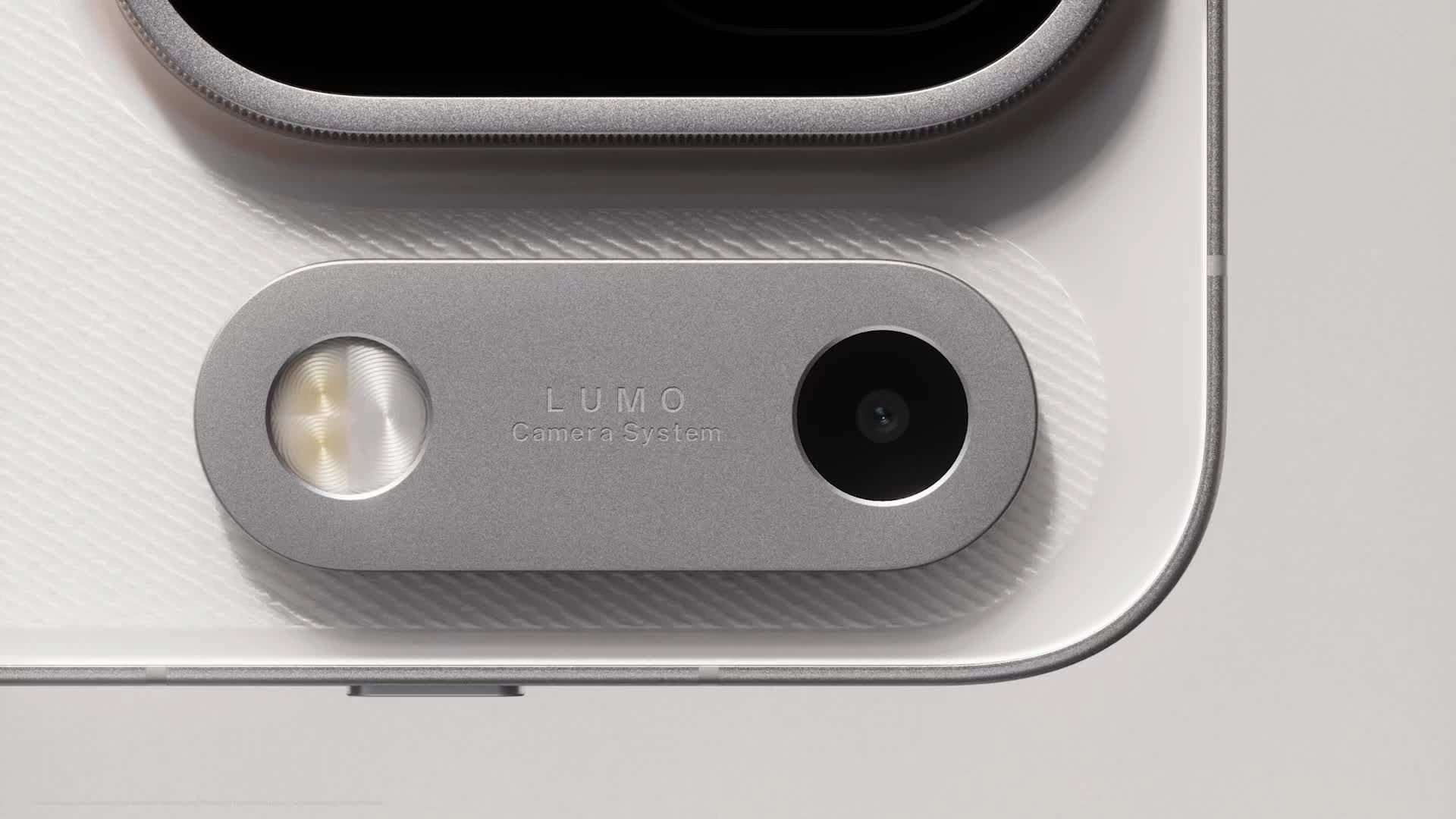
Portrait processing Hasselblad Portrait Mode and LUMO tools
Portrait camera guide
Choose between an environmental frame, a half-body portrait and a close-up before choosing the camera. Your distance determines perspective; the lens helps frame the person from that position. Keep enough room to avoid crowding the face, then consider background distance and light. The telephoto workflow below is about perspective and composition, with skin tone and bokeh assessed separately.
For a closer look at how lens choice affects a portrait, explore natural perspective in phone portraits and compare the cameras below.
The basics
Decide between an environmental portrait, a half-body frame and a close-up. Choose a working distance that keeps facial proportions comfortable, place the subject away from a distracting background and focus on the nearer eye where practical. Compare a main-camera frame and a telephoto frame without crowding the subject. Longer focal lengths help you frame from farther away; perspective changes because your shooting position changes.
A telephoto camera gives a tighter view than an ultra-wide camera. The Find X10 Series specifies 65mm and 70mm-equivalent portrait telephoto options, depending on model.
Backlighting and mixed light can challenge skin tones and highlight detail. OPPO’s LUMO and True Colour features are designed to process colour and tonal detail; results depend on conditions and settings.
Hasselblad Portrait Mode and LUMO Computational Bokeh Engine use software processing to distinguish people from their surroundings and create a portrait-style blur effect.
The short list
These are two configurations within the same product series, not independent test rankings. Choose by camera focal lengths and features, not by an unverified claim of superior image quality.
Model differences
This table focuses on supplied specifications relevant to portraits and everyday photography. No UK-specific model record, local price or sales availability was supplied, so those details are not stated here.
| Name | Key strengths | Key limitations | Use case | Why it stands out |
|---|---|---|---|---|
| OPPO Find X10 | 200MP main and telephoto cameras; 65mm-equivalent telephoto; 50MP ultra-wide; Hasselblad Portrait Mode. | Its ultra-wide camera is 50MP, not 200MP. UK battery version and local commercial configuration are unconfirmed. | Portraits with a dedicated 65mm-equivalent telephoto, plus everyday wide-angle photos. | The 65mm-equivalent telephoto combines autofocus, OIS and CIPA 7.0 stabilisation according to supplied product information. |
| OPPO Find X10 Pro Max | Triple 200MP rear cameras; 70mm-equivalent telephoto; telephoto macro; 200MP ultra-wide. | Its ultra-wide camera does not support OIS. UK battery version and local commercial configuration are unconfirmed. | People who want a 70mm-equivalent portrait view and high-resolution options across three rear cameras. | The 70mm-equivalent telephoto combines autofocus and OIS with a stated 10cm telephoto macro capability. |
| Specification | OPPO Find X10 | OPPO Find X10 Pro Max |
|---|---|---|
| Rear camera system | 200MP main + 200MP telephoto + 50MP ultra-wide | 200MP main + 200MP telephoto + 200MP ultra-wide |
| Main camera | 1/1.4-inch sensor; f/1.6; 23mm equivalent; autofocus and OIS | 1/1.3-inch sensor; f/1.5; 24mm equivalent; autofocus and OIS |
| Telephoto camera | 1/1.56-inch sensor; f/2.6; 65mm equivalent; autofocus and OIS | 1/1.56-inch sensor; f/2.1; 70mm equivalent; autofocus, OIS and 10cm telephoto macro |
| Ultra-wide camera | 50MP; f/2.0; 15mm equivalent; no OIS | 200MP; f/2.2; 13mm equivalent; 124° field of view; 4cm macro; no OIS |
| Front camera | 50MP Luminous Selfie Camera; 18mm equivalent; f/2.0; 100° field of view; autofocus and EIS | 50MP Luminous Selfie Camera; 18mm equivalent; f/2.0; 100° field of view; autofocus and EIS |
| Display | 6.59 inches; 2768 × 1272 | 6.78 inches; 2772 × 1272 |
| Refresh rate | Up to 144Hz in supported gaming scenarios | Up to 144Hz in supported gaming scenarios |
| Processor | MediaTek Dimensity 9600M; 3nm | MediaTek Dimensity 9600 Pro; 2nm |
| Water and dust resistance | IP66, IP68 and IP69 | IP66, IP68 and IP69 |
| Battery and charging | UK version not confirmed. Supplied regional options include 7150mAh European and 8000mAh non-European typical capacity; up to 80W wired and 50W wireless charging. | UK version not confirmed. Supplied regional options include 7150mAh European and 8000mAh non-European typical capacity; up to 80W wired and 50W wireless charging. |
Camera focal lengths are equivalent focal lengths. The supplied Pro Max camera specification lists 24mm for the main camera; one reviewer entry conflicts, so 24mm is used here. Specific product information, battery capacity, charging specifications, availability, and pricing may vary by market and product version.
Camera details
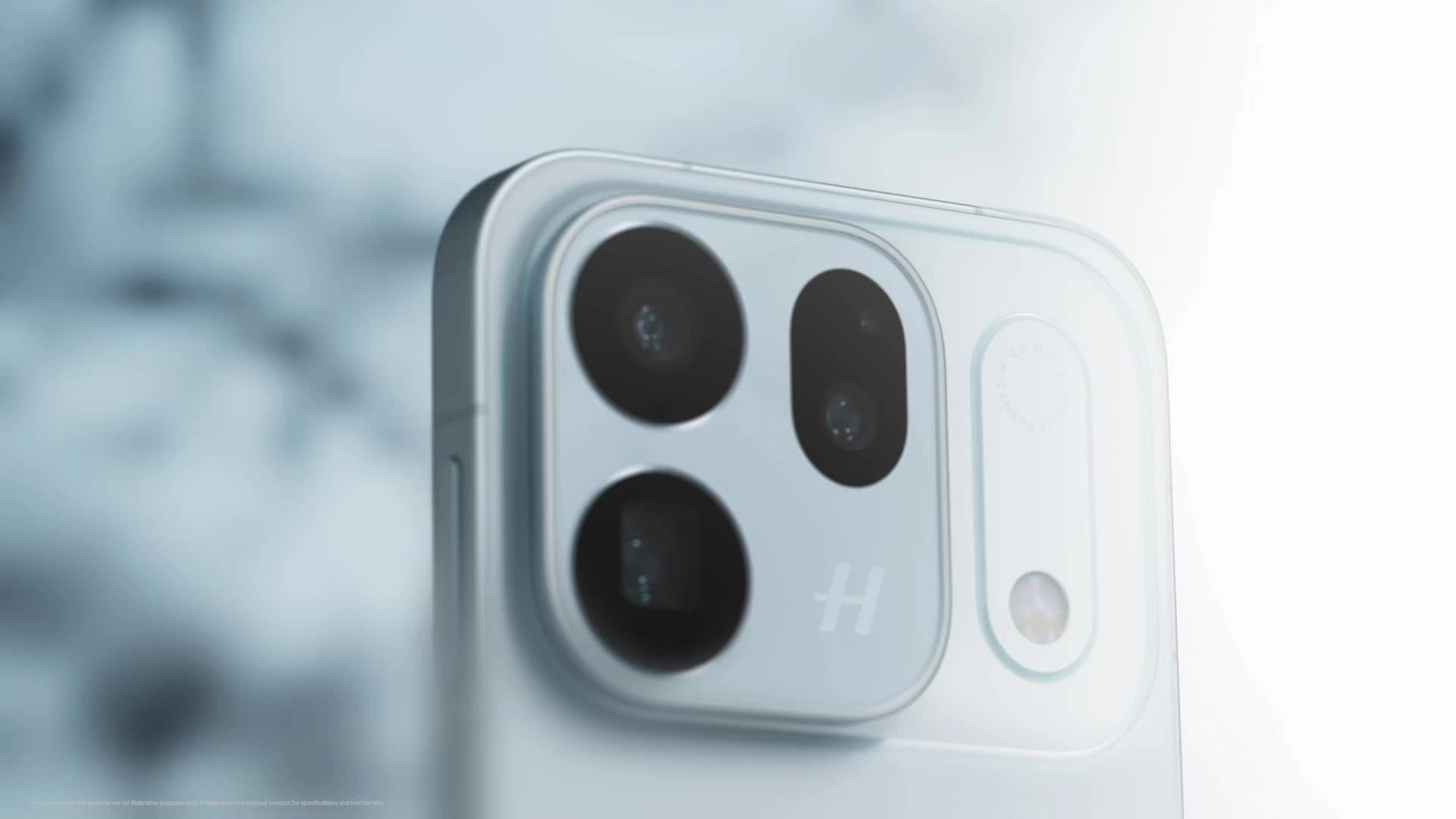
The models share Hasselblad Portrait Mode and LUMO portrait-processing tools, but their camera layouts differ. Compare portrait camera and telephoto details with the focal lengths that suit the framing you prefer.
OPPO Find X10
The 65mm-equivalent 200MP telephoto is described as a portrait focal length. It supports autofocus, OIS and CIPA 7.0 stabilisation. The 23mm-equivalent 200MP main camera has a 1/1.4-inch sensor, f/1.6 aperture, autofocus and OIS; the third rear camera is a 50MP ultra-wide.
Portrait samples need focal length, distance and lighting to support a comparison. A controlled set is not provided here, so the guide does not declare a best portrait camera. For skin-tone accuracy, difficult hair edges or streetlit faces, use the dedicated skin-tone, bokeh and night-portrait pages.
OPPO Find X10 Pro Max
The Pro Max uses a 70mm-equivalent 200MP telephoto with a 1/1.56-inch sensor, f/2.1 aperture, autofocus, OIS and 10cm telephoto macro. Its 24mm-equivalent main camera has a 1/1.3-inch sensor and f/1.5 aperture. The 13mm-equivalent ultra-wide camera offers a 124° field of view and 4cm macro capability, but does not support OIS.
OPPO describes the three-camera system as supporting portraits across focal lengths. A wider camera can include both a person and more of the setting; the telephoto gives a tighter composition.



Colour and tone
OPPO says the LUMO True Image Engine is designed to preserve natural detail, softer tones and faithful colour. Portrait-related processing includes facial detail refinement and a computational bokeh engine that identifies people, including hair boundaries. Pet portraits are not supported by the described LUMO Computational Bokeh Engine.
LUMO Color Palette offers 18 styles and reversible portrait adjustments. The supplied description says Clarity cools and brightens skin while reducing yellow casts, while Amber adds warmer amber tones. Hair-level skin-tone protection separates subject and background adjustments; film styles are applied globally.
Composition assistance
LUMO Framing offers on-device composition suggestions for close-up portraits, people in a scene and close-ups of objects or scenery. It can suggest up to two compositions and guide tilt, heading and focal length. The stated zoom range is 1–10×.
The supplied feature notes say LUMO Framing does not currently support the ultra-wide camera or Portrait Mode. For the portrait modes themselves, see Hasselblad Portrait Mode and computational bokeh.
Selfies and accessories
Both models have a 50MP Luminous Selfie Camera with an 18mm-equivalent focal length, f/2.0 aperture, 100° field of view, autofocus and EIS. Supported selfie zoom options are 0.8×, 1× and 2×. The front camera supports video recording up to 4K 60fps with EIS, according to the supplied product information.
OPPO Bubble supports rear-camera selfies with live preview and wireless remote shooting up to 10 metres. It is sold separately. Confirm local accessory availability and compatibility before considering it.
Explore more about LUMO colour and natural-looking portrait tonesor see how to choose between portrait focal lengths.
Portrait video
Both Find X10 models support Hasselblad Portrait Mode, Ultra Steady and rear-camera video recording up to 4K 120fps Dolby Vision, according to the supplied product information. Ultra Steady can correct Z-axis tilt within 5°; results depend on the shooting environment.
Find X10 Pro Max has a separate 17-stop HDR video claim, available only at 1× in standard Video mode and up to uncropped 4K 60fps. It is not available in Pro mode, 4K 120fps or 8K 30fps. The True Color Camera’s 15EV specification is a separate claim and does not establish 17-stop video capability for Find X10.
For additional context, the Find X10 Pro Max portrait-video conditions should be checked alongside recording mode and focal length.
17-stop HDR is available only at the 1× optical focal length in standard Video mode, up to uncropped 4K 60fps. It is unavailable in Pro mode, 4K 120fps or 8K 30fps recording. Results may vary by scene, shooting conditions and software version.
Find X10 KSP order
The battery KSP is not shown because the UK hardware version has not been confirmed.
Find X10 Pro Max KSP order
The battery KSP is not shown because the UK hardware version has not been confirmed. Pro Max 17-stop video restrictions are detailed above.
Photography examples and further reading
Sample images can help illustrate framing and the range of scenes used in product materials, but they do not establish that every result will look the same. Lighting, subject distance, camera choice, processing and software can all affect a finished image.


The supplied third-party source is a camera-sample article, not a complete independent portrait-camera test. Explore multi-camera photography and sample comparisonsas a separate research step, and consult the specialised phone-camera testing guide when independent test methods are available. No third-party performance result is inferred here.
How to choose
Common questions
Find X10's 65mm-equivalent telephoto and Pro Max's 70mm-equivalent telephoto give different tighter views. Either should be evaluated at the distance you can comfortably use. Pro Max's wider specified telephoto aperture is a hardware distinction, while convincing facial proportions and expression still depend on positioning and timing.
A useful telephoto portrait camera must give the framing, focus and light performance you need at a comfortable working distance. Find X10 lists 65mm equivalent and Pro Max 70mm with different apertures. No matched portrait set proves the best telephoto portrait camera; perspective also depends on where you stand.
No. The viewpoint determines perspective. A telephoto lens can let you frame the person from farther away, which changes proportions compared with a very close wide-angle photograph. Choose the distance deliberately and compare like-for-like portraits before deciding which rendering you prefer.
Decide between an environmental portrait, a half-body frame and a close-up. Choose a working distance that keeps facial proportions comfortable, place the subject away from a distracting background and focus on the nearer eye where practical. Compare a main-camera frame and a telephoto frame without crowding the subject. Longer focal lengths help you frame from farther away; perspective changes because your shooting position changes.
Portrait samples need focal length, distance and lighting to support a comparison. A controlled set is not provided here, so the guide does not declare a best portrait camera. For skin-tone accuracy, difficult hair edges or streetlit faces, use the dedicated skin-tone, bokeh and night-portrait pages.
Confirm the local model, RAM and storage, battery version, colours, included accessories and current price. The European reference lists 7150mAh typical capacity for both models, with regional weight and runtime differences. Check the official UK listing and feature-specific software restrictions rather than assuming all global features are available.
Explore official product information
Find X10's 65mm-equivalent telephoto and Pro Max's 70mm-equivalent telephoto give different tighter views. Either should be evaluated at the distance you can comfortably use. Pro Max's wider specified telephoto aperture is a hardware distinction, while convincing facial proportions and expression still depend on positioning and timing.
Explore product detailsImportant information
Unless otherwise stated, all data shown on this page is based on OPPO laboratory testing and is provided for reference only. Actual data may vary slightly depending on the usage environment, device condition, software version, and other factors. Please refer to actual results.
Unless otherwise stated, product interface content shown on this page, including but not limited to UI and backgrounds, is for feature demonstration only. Features may belong to different software versions, and their availability dates and regions may vary. Please refer to the actual features and interface of the software version. AI experiences may vary depending on the environment, network conditions, personal usage habits, and other factors. Please refer to actual experience.
The AI features described on the page may not be included in the software version at launch. In some countries and regions, these AI features will be updated via OTA. Please refer to the features in the actual version.
An account login may be required to access certain OPPO AI features. Free-use allowances, supported services and account requirements vary by feature. Please refer to the in-app details.
OPPO AI feature availability and results may vary by region, device, software version and supported service. An internet connection is required for features that use online services. AI-generated results may be inaccurate or incomplete; please refer to actual experience.
Product images are for reference only. Please refer to the actual product.
OPPO's laboratory has been accredited by China National Accreditation Service for Conformity Assessment (CNAS), and its test reports are directly mutually recognized in 106 economies worldwide, including those under the International Accreditation Forum (IAF), International Laboratory Accreditation Cooperation (ILAC), and Asia Pacific Accreditation Cooperation (APAC).
Specific product information, battery capacity, charging specifications, availability, and pricing may vary by market and product version. Please refer to the local OPPO product page or authorized sales channel for the most accurate and up-to-date details.
200MP photography: Find X10 supports the 23mm and 65mm core optical focal lengths in Ultra-Clear Mode under suitable lighting. Find X10 Pro Max supports the 13mm, 24mm and 70mm focal lengths in Hasselblad Ultra-Clear Mode under suitable lighting. Actual output resolution may vary by scene.
Pro Max 17-stop HDR: 17-stop HDR is available only at the 1× optical focal length in standard Video mode. It is unavailable in Pro mode, 4K 120fps, or 8K 30fps recording. Results may vary by scene, shooting conditions, and software version.
Ultra Steady: Horizon levelling can automatically correct Z-axis tilt within 5°. Results may vary by shooting environment.
Refresh rate: The 144Hz refresh rate is available only in supported gaming scenarios. Actual experience may vary by game, settings, and device status.
Water and dust resistance: OPPO Find X10 and OPPO Find X10 Pro Max support IP66, IP68 and IP69 water and dust resistance. Under controlled laboratory conditions, each has been tested to meet the IP69, IP68, IP66 levels according to GB/T 4208-2017 (China) / IEC 60529-2013 (International) standards. Due to factors such as machine aging and personal usage habits, the experience may vary. Please do not charge the phone in a damp state. Avoid exposures to liquids other than fresh water (e.g. saltwater, chlorinated water, chemical liquids) as they may affect functionality.
Battery and charging: European and non-European capacity figures are regional product records and do not establish the UK version. 80W wired and 50W wireless charging are maximum values and may vary by device status and environment. The wireless charger is sold separately.
Accessories: OPPO Bubble and the OPPO Hasselblad Teleconverter Kit are sold separately. Confirm product compatibility and local availability before purchase. Teleconverter-equivalent focal lengths are based on OPPO laboratory testing and software cropping; results may vary by scene, lighting and camera settings.
UK market information: A verified UK product model record, UK-specific battery version, local price and local purchase destination were not provided for this page. No UK sales or availability claim is made.