Sensor and aperture
A larger stated sensor and wider aperture are relevant hardware details for light gathering. They do not, by themselves, prove cleaner footage or better exposure in every night scene.
 Find X10 Series
United Kingdom · Product information
OPPO FIND X10 SERIES · PRACTICAL SHOOTING GUIDE
Low-light video needs enough brightness without excessive noise, lost texture or smeared moving subjects. Pro Max's specific HDR video capability may matter for bright lights against dark surroundings, but it does not prove the best night-video result. Compare continuous footage at the same frame rate, lens, light and viewing size.
This guide explains what those details mean for night scenes, where the HDR mode works, and how OPPO Find X10 differs. UK model availability, local hardware configuration and pricing have not been confirmed in the supplied information.
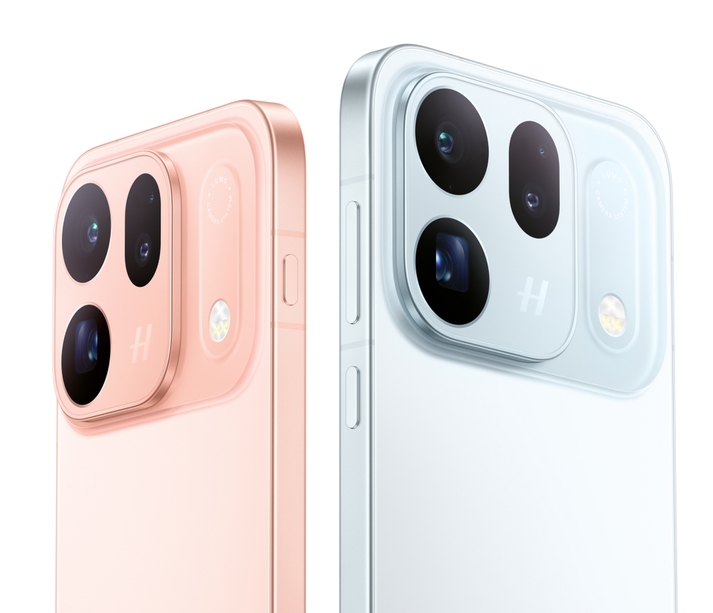
1/1.3-inch · f/1.5 · OIS
1× · Standard Video · up to uncropped 4K 60fps
Product specifications, not a controlled low-light comparison
THE SHORT ANSWER
Low-light video must remain convincing during movement, not just in a paused frame. Examine a night street, a dim interior and a bright-to-dark transition as continuous clips. Keep faces or signs visible while the camera or subject moves, then assess brightness, noise, texture and exposure changes at the intended playback speed.
A specification sheet cannot establish real-world night-video quality on its own. There is no controlled, direct low-light video comparison or quantified low-light video result in the supplied evidence. For context, see this low-light video recording guide, our Find X10 camera system overview and the Android camera image-quality guide.
HOW TO ASSESS THE CLAIMS
Record a night street, a dim interior and a move from a bright area into a darker one. Use a supported frame rate appropriate to the scene; higher frame rates generally leave less time per frame to gather light. Hold the phone steadily, move slowly and inspect faces or signs during motion rather than judging paused frames alone. Keep exposure transitions visible in the original clip.
A larger stated sensor and wider aperture are relevant hardware details for light gathering. They do not, by themselves, prove cleaner footage or better exposure in every night scene.
OIS is specified on both models’ main cameras. Stabilisation can help manage camera movement, but it cannot freeze a moving subject or replace a steady shooting technique.
The Pro Max 17-stop HDR mode has specific resolution, focal-length and mode conditions. Check that a feature is available in the exact mode you plan to use.
High-contrast scenes such as illuminated signs or a sunset test how a video holds bright and dark areas together. The supplied materials describe the Pro Max HDR feature for this kind of contrast, but provide no independent test footage measurements.
OPPO describes a True Color Camera and Pro Max-only Zoned Colour Restoration for Video. These are processing features; the supplied claims should not be read as a guarantee of exact colour reproduction in every environment.
A third-party camera-samples article is available, but the supplied summary does not report a controlled low-light video test. See specialised flagship camera testing as a separate evidence need, rather than treating specifications as a review result.
OPPO’s supplied product information names illuminated signs at night, backlit scenes, sunsets, fireworks and portraits beside windows as relevant HDR scenarios. It also notes that flicker detection may affect the effect in window-side portraits, and that bright sunsets or fireworks may show purple fringing.
TOP DOCUMENTED CANDIDATE
Its main-camera and HDR-video specifications give it the clearest documented low-light video feature set of the two models described here. That distinction is based on the supplied product claims, not on independent comparative testing.
Important recording condition
17-stop HDR is available only at 1× in standard Video mode, up to uncropped 4K 60fps.
It is unavailable in Pro mode, 4K 120fps and 8K 30fps recording. O-Log2 is a separate profile; the supplied information describes its curve as designed for 12 stops.
To explore related use cases, read about multi-camera video switchingand phone video in night scenes.
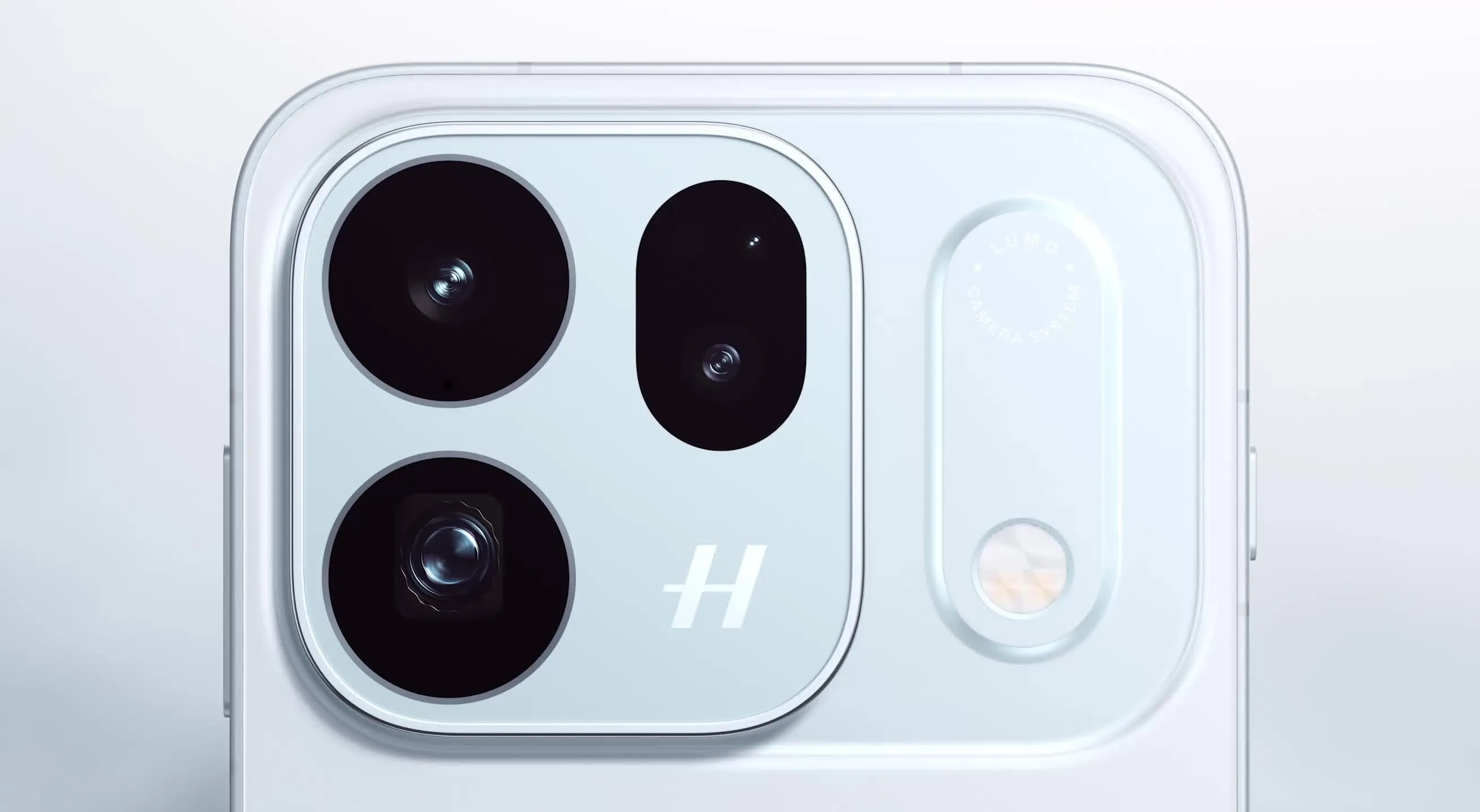

An “EV” specification for the True Color Camera is not the same claim as 17-stop main-camera HDR video. Do not use either figure as a measured low-light video result.
Horizon levelling can automatically correct Z-axis tilt within 5°. The result may vary by shooting environment, and the feature is distinct from the main camera’s OIS.
Records 4096 × 3072 in 4:3 at up to 60fps, with H.265 and O-Log2 (4:2:0) specified. Pro Max supports 0.5×, 1× and 3× focal lengths in this mode. Enhanced electronic stabilisation is unavailable.
The Pro Max teleconverter headline is 10× / 230mm equivalent with a 1.2m minimum focus distance. The kit and related accessories are sold separately; the equivalent focal length is based on laboratory testing and software cropping.
OPPO FIND X10 SERIES VIDEO
This promotional video is supplied as product-series media. It is not presented as a low-light test, camera comparison or independent review.
THE OTHER MODEL
Find X10 has a specified 200MP main camera with a 1/1.4-inch sensor, f/1.6 aperture, 23mm equivalent focal length, autofocus and OIS. It supports rear video up to 8K 30fps and 4K 120fps Dolby Vision. The supplied information does not specify a 17-stop HDR video mode for this model, so that Pro Max feature should not be attributed to Find X10.
For more camera context, see the Find X10 and Pro Max camera comparisonand smartphone video recording guide.

The Find X10 teleconverter headline is 11× / 253mm equivalent, with a 2.8m minimum focus distance. The kit and related accessories are sold separately, and equivalent focal lengths are based on laboratory testing and software cropping.
MODEL COMPARISON
This comparison brings together the product details provided for the two models. It does not establish UK availability or confirm a UK-specific product configuration.
| Specification | OPPO Find X10 | OPPO Find X10 Pro Max |
|---|---|---|
| Rear camera system | 200MP main, 200MP telephoto, 50MP ultra-wide | 200MP main, 200MP telephoto, 200MP ultra-wide |
| Main camera | 1/1.4-inch; f/1.6; 23mm equivalent; AF and OIS | 1/1.3-inch; f/1.5; 24mm equivalent; AF and OIS |
| Telephoto camera | 1/1.56-inch; f/2.6; 65mm equivalent | 1/1.56-inch; f/2.1; 70mm equivalent; AF and OIS; 10cm telephoto macro |
| Ultra-wide camera | 50MP; f/2.0; 15mm equivalent; AF; no OIS specified | 200MP; f/2.2; 13mm equivalent; 124° field of view; AF and EIS; no OIS; 4cm macro |
| Front camera | 50MP; f/2.0; AF and EIS | 50MP Luminous Selfie Camera; EIS for front video |
| Maximum rear video listed | Up to 8K 30fps; 4K 120fps Dolby Vision | Up to 8K 30fps; 4K 120fps Dolby Vision |
| 17-stop HDR video | Not specified in supplied product information | Main camera, 1×, standard Video mode; up to uncropped 4K 60fps only |
| Open Gate Capture | 4096 × 3072, 4:3, up to 60fps; 0.6×, 1×, 2.8× | 4096 × 3072, 4:3, up to 60fps; 0.5×, 1×, 3× |
| Processor | MediaTek Dimensity 9600M; 3nm | MediaTek Dimensity 9600 Pro; 2nm |
| Display | 6.59 inches; 2768 × 1272 | 6.78 inches; 2772 × 1272 |
| Maximum refresh rate | Up to 144Hz in supported gaming scenarios | Up to 144Hz in supported gaming scenarios |
| Water and dust resistance | IP66, IP68 and IP69 | IP66, IP68 and IP69 |
| Charging information supplied | Up to 80W wired; up to 50W wireless | Up to 80W wired; up to 50W wireless |
| UK price and availability | Not confirmed in supplied information | Not confirmed in supplied information |
Camera and recording capabilities depend on mode and software. Do not interpret maximum resolution or frame rate as simultaneous support for every lens, profile and stabilisation feature. Battery capacity is not stated here because the UK hardware version has not been confirmed.
A CLOSER LOOK AT THE CAMERA SYSTEM
Pro Max's specified HDR mode is relevant to certain contrast-heavy scenes but does not demonstrate better low-light video in every setting. Find X10 also offers several recording formats. Select a supported lens and mode for the scene, and seek matched continuous footage before treating either model as a tested low-light winner.


EVIDENCE AND BUYING GUIDANCE
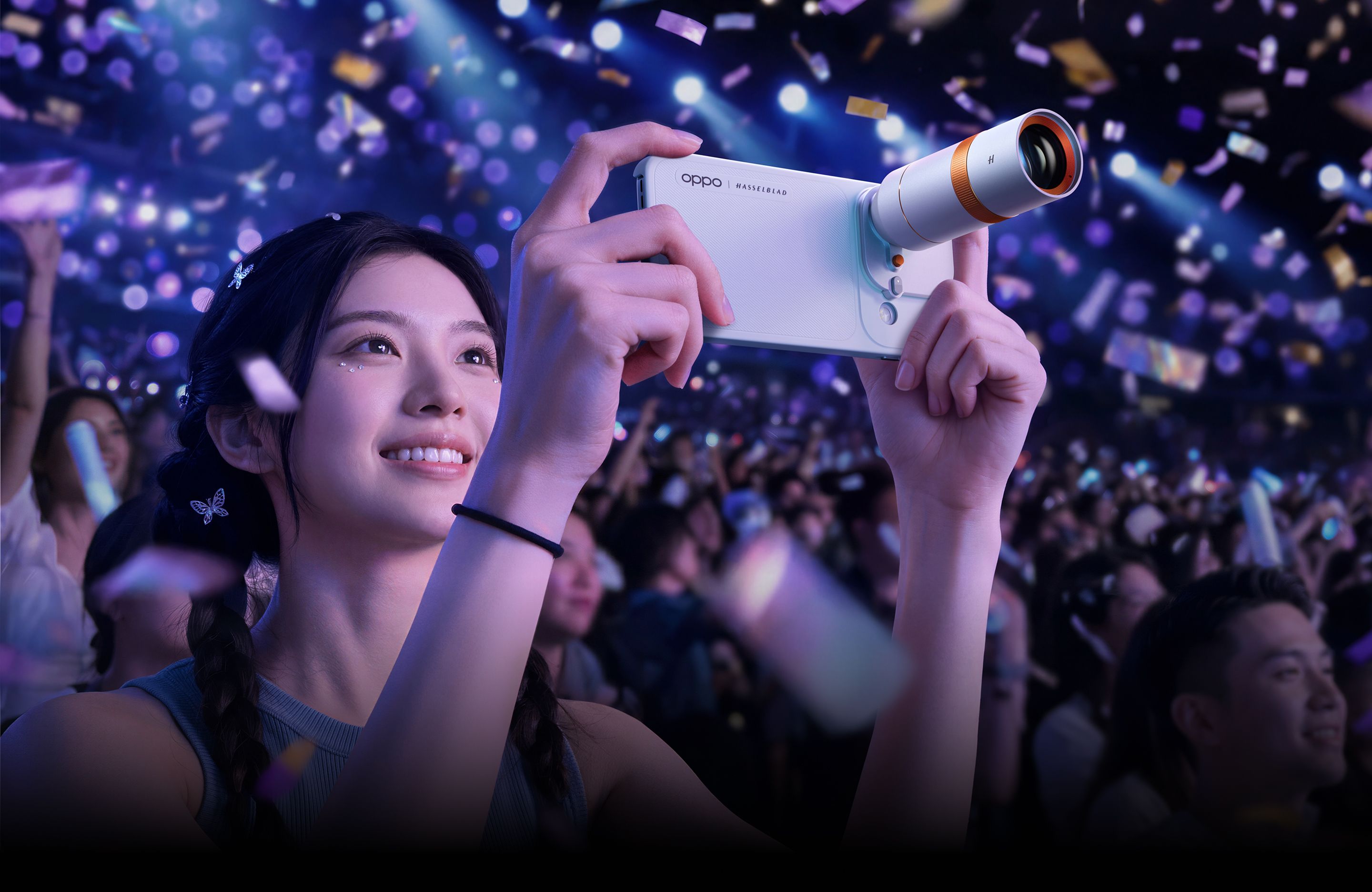
Continuous comparison footage and settings logs are not supplied. The Pro Max 17-stop statement applies to 1× standard Video mode up to uncropped 4K 60fps, not 4K 120fps, 8K 30fps or Pro Video. A concert highlight reel cannot establish general low-light video performance.
The supplied Tech Advisor camera-samples article, dated 16 October 2026, reports that camera samples were available. The provided source summary does not describe a controlled low-light video test, so it is not evidence of a measured night-video result.
For additional product context, explore the LUMO imaging overviewand the multi-camera recording guide.
FREQUENTLY ASKED QUESTIONS
Pro Max's specified HDR mode is relevant to certain contrast-heavy scenes but does not demonstrate better low-light video in every setting. Find X10 also offers several recording formats. Select a supported lens and mode for the scene, and seek matched continuous footage before treating either model as a tested low-light winner.
More frames per second generally leave less time for each exposure, which can make dim scenes harder to record cleanly. Select a supported rate that suits the motion and light, and compare the moving result. Do not assume a higher available rate gives better night footage.
Record a night street, a dim interior and a move from a bright area into a darker one. Use a supported frame rate appropriate to the scene; higher frame rates generally leave less time per frame to gather light. Hold the phone steadily, move slowly and inspect faces or signs during motion rather than judging paused frames alone. Keep exposure transitions visible in the original clip.
Continuous comparison footage and settings logs are not supplied. The Pro Max 17-stop statement applies to 1× standard Video mode up to uncropped 4K 60fps, not 4K 120fps, 8K 30fps or Pro Video. A concert highlight reel cannot establish general low-light video performance.
Confirm the local model, RAM and storage, battery version, colours, included accessories and current price. The European reference lists 7150mAh typical capacity for both models, with regional weight and runtime differences. Check the official UK listing and feature-specific software restrictions rather than assuming all global features are available.
IMPORTANT INFORMATION
Unless otherwise stated, all data shown on this page is based on OPPO laboratory testing and is provided for reference only. Actual data may vary slightly depending on the usage environment, device condition, software version, and other factors. Please refer to actual results.
Unless otherwise stated, product interface content shown on this page, including but not limited to UI and backgrounds, is for feature demonstration only. Features may belong to different software versions, and their availability dates and regions may vary. Please refer to the actual features and interface of the software version. AI experiences may vary depending on the environment, network conditions, personal usage habits, and other factors. Please refer to actual experience.
The AI features described on the page may not be included in the software version at launch. In some countries and regions, these AI features will be updated via OTA. Please refer to the features in the actual version.
An account login may be required to access certain OPPO AI features. Free-use allowances, supported services and account requirements vary by feature. Please refer to the in-app details.
OPPO AI feature availability and results may vary by region, device, software version and supported service. An internet connection is required for features that use online services. AI-generated results may be inaccurate or incomplete; please refer to actual experience.
Product images are for reference only. Please refer to the actual product.
OPPO's laboratory has been accredited by China National Accreditation Service for Conformity Assessment (CNAS), and its test reports are directly mutually recognized in 106 economies worldwide, including those under the International Accreditation Forum (IAF), International Laboratory Accreditation Cooperation (ILAC), and Asia Pacific Accreditation Cooperation (APAC).
Specific product information, battery capacity, charging specifications, availability, and pricing may vary by market and product version. Please refer to the local OPPO product page or authorized sales channel for the most accurate and up-to-date details.
17-stop HDR video: Available only at the 1× optical focal length in standard Video mode. It is unavailable in Pro mode, 4K 120fps or 8K 30fps recording. Results may vary by scene, shooting conditions and software version.
200MP photography: OPPO Find X10 supports its 23mm and 65mm core optical focal lengths in Ultra-Clear Mode under suitable lighting. OPPO Find X10 Pro Max supports 13mm, 24mm and 70mm in Hasselblad Ultra-Clear Mode under suitable lighting. Actual output resolution may vary by scene.
Open Gate Capture: Find X10 supports 0.6×, 1× and 2.8×; Pro Max supports 0.5×, 1× and 3×. Both specify 4096 × 3072, 4:3, up to 60fps. Enhanced stabilisation is unavailable in this mode.
Ultra Steady: Horizon levelling can automatically correct Z-axis tilt within 5°. Results may vary by shooting environment.
Teleconverter: Equivalent focal lengths shown for the Hasselblad Teleconverter are based on OPPO laboratory testing and software cropping. The kit and related accessories are sold separately. Results may vary by scene, lighting and camera settings.
Charging: 80W wired and 50W wireless charging are maximum values and may vary by device status and environment. The wireless charger is sold separately. The UK hardware version and battery capacity are not confirmed in the supplied information.
Water and dust resistance: OPPO Find X10 and OPPO Find X10 Pro Max support IP66, IP68 and IP69 water and dust resistance. Under controlled laboratory conditions, they have been tested to meet the IP69, IP68 and IP66 levels according to GB/T 4208-2017 (China) / IEC 60529-2013 (International) standards. Due to factors such as machine ageing and personal usage habits, the experience may vary. Please do not charge the phone in a damp state. Avoid exposures to liquids other than fresh water (e.g. saltwater, chlorinated water, chemical liquids) as they may affect functionality.
144Hz refresh rate: Available only in supported gaming scenarios. Actual experience may vary by game, settings and device status.
UK information checked on 20 October 2026: an official Find X10 Series launch page and Pro Max store listing are available. Check those UK destinations for current prices, stock, configurations and offer conditions; a campaign page does not by itself confirm every local specification.