







Why Smartphones Struggle with Indian Skin Tones | OPPO India
Why Smartphones Struggle with Indian Skin Tones
Ever taken a portrait that looked sharp but somehow didn't look like you? For many Indian users, the biggest issue with smartphone photography is not about resolution or zoom, but how the camera renders skin tones. This article helps you understand why Indian skin tones are often difficult for smartphones to capture accurately, what makes a good portrait phone, and how Natural Tone Imaging approaches portrait photography differently.
Why do smartphone cameras struggle with Indian skin tones?
Smartphone cameras are designed to process colours automatically, but Indian skin tones present a unique challenge because they span a wide range of undertones and complexions, often under varied lighting conditions.
Many phones tend to:
- Over-brighten faces
- Add excessive warmth or yellow tones
- Apply heavy skin smoothing
- Prioritise brightness over natural texture
This is why portraits can sometimes look pale, overly filtered, or different from how a person appears in real life. The issue becomes even more noticeable at weddings, festivals, and family gatherings, or under mixed indoor-outdoor lighting, where accurate skin-tone rendering matters most.
What makes a phone good for portrait photography?
When photographing people, colour accuracy is just as important as camera hardware, and for Indian users, a phone that preserves natural skin tones often delivers more realistic results than one that simply makes faces look brighter.
A good portrait phone should offer:
- Accurate skin-tone rendering
- A dedicated telephoto lens for flattering portraits
- Optical Image Stabilisation (OIS)
- A high-quality selfie camera
- Natural-looking portrait blur
- Reliable performance in different lighting conditions
What camera specs actually matter for portrait photography?
A dedicated telephoto camera is particularly important because portrait photography traditionally benefits from focal lengths that avoid facial distortion and create smoother background blur. If portraits are your priority, focus on these features:
|
Feature |
Why it matters |
|---|---|
|
Telephoto lens |
Creates flattering facial proportions |
|
OIS |
Helps keep portraits sharp |
|
Main sensor |
Preserves detail and dynamic range |
|
Skin-tone tuning |
Produces more natural-looking faces |
|
Front camera quality |
Improves selfies and group portraits |
|
AI portrait processing |
Enhances subject separation and bokeh |
What does Natural Tone Imaging do differently?
OPPO’s Natural Tone Imaging is designed around one simple goal: helping people look like themselves. Instead of aggressively whitening, warming, or smoothing skin, it focuses on preserving:
- Natural undertones
- Realistic facial texture
- Balanced highlights and shadows
- Consistent skin rendering across different complexions
For Indian users, this means portraits can look more authentic whether you're shooting a wedding, a college event, a family function, or everyday selfies. The emphasis is on true-to-life results rather than heavily processed images.
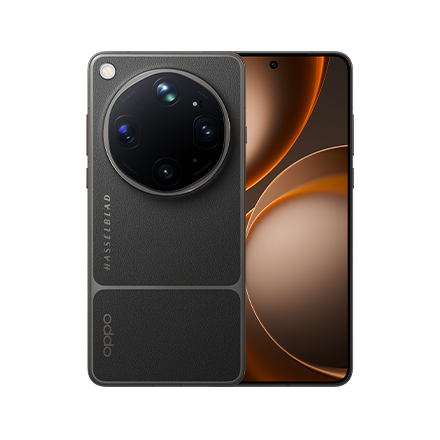
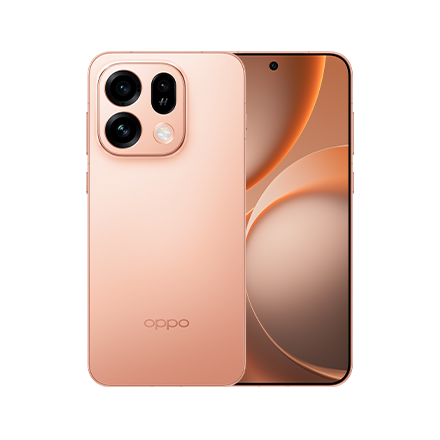
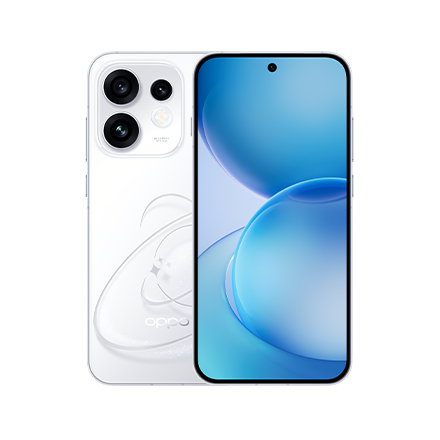
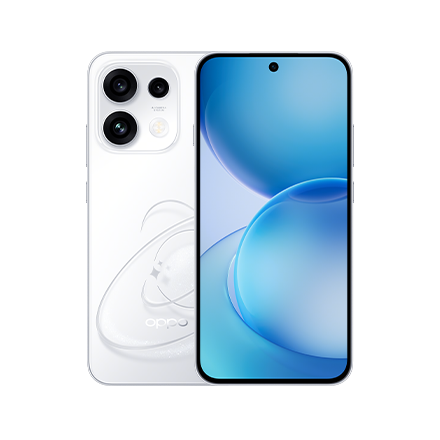
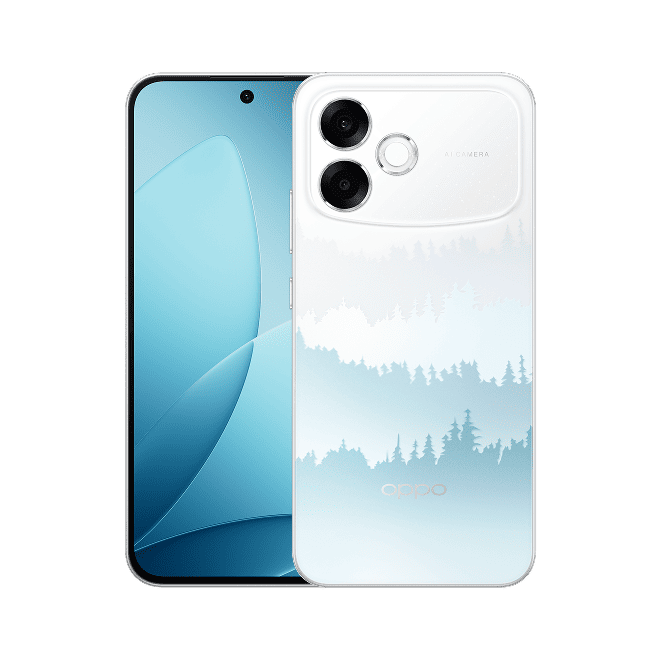
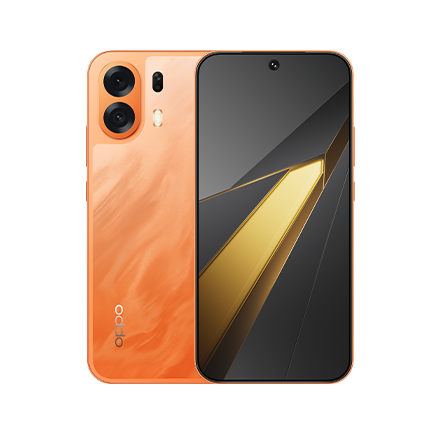
The OPPO Reno16 Series pairs Natural Tone Imaging with a 3.5x Telephoto Vibe Portrait and 50MP Ultra-Wide Selfie Camera, creating a portrait system designed around people photography.
What is the best camera phone for portraits under ₹70,000 in India?
If you're looking for a portrait-focused smartphone under ₹70,000, both the OPPO Reno16 5G and OPPO Reno16c 5G are designed around the features that matter most for portrait photography: natural skin-tone rendering, dedicated telephoto cameras, and high-quality selfie cameras. Both models feature Natural Tone Imaging, helping portraits retain realistic Indian skin tones rather than applying excessive whitening or smoothing.
OPPO Reno16 5G (from ₹66,999)
- 50MP Ultra-Clear Main Camera
- 50MP 3.5x Telephoto Vibe Portrait with OIS
- 50MP Ultra-Wide
- 50MP Ultra-Wide Selfie Camera with 100° FOV
- Natural Tone Imaging for true-to-life Indian skin tones
With its all-50MP camera system and 3.5x Telephoto Vibe Portrait, the OPPO Reno16 5G is for users who frequently shoot portraits, selfies, and social content, or capture special occasions.
OPPO Reno16c 5G (from ₹49,999)
- 50MP Ultra-Clear Main Camera
- 50MP 3.5x Telephoto
- 8MP Ultra-Wide
- 50MP Ultra-Wide Selfie Camera with 100° FOV
- Natural Tone Imaging for true-to-life Indian skin tones
The OPPO Reno16c 5G brings the same portrait-first approach to a more accessible price point, making it a compelling option for users who want natural-looking portraits and selfies without stretching their budget.
Rather than focusing only on megapixel numbers, both devices combine portrait hardware with Natural Tone Imaging, helping users capture more natural-looking portraits across weddings, family function, college events, and everyday social media content.
Frequently Asked Questions
Frequently Asked Questions
Many smartphones use global colour tuning that may not accurately reflect India's wide range of skin tones. This can result in images that look too pale, too warm, or overly smoothed.
Q2. How do inaccurate skin tones affect portraits?
When colours are not rendered correctly, portraits can lose their natural appearance and require extra editing before being shared. This is especially noticeable in selfies, wedding photos, and social media content.
Q3. How does the Reno16 Series approach skin-tone photography?
The Reno16 Series uses Natural Tone Imaging, a portrait-focused imaging approach designed to preserve realistic-looking Indian skin tones across different lighting conditions. The goal is to create more authentic portraits directly from the camera.
Q4. Does skin-tone processing matter more than megapixels?
In many cases, yes. A high-resolution sensor is useful, but accurate colour science, image processing, and lens quality often have a larger impact on how natural portraits appear.