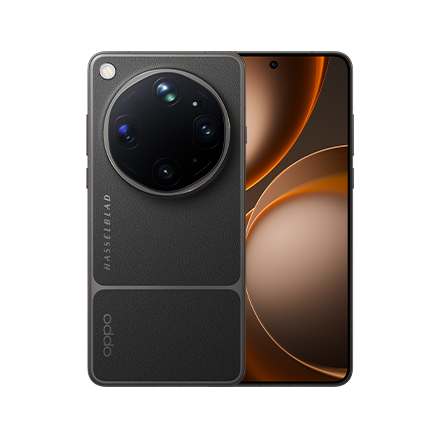
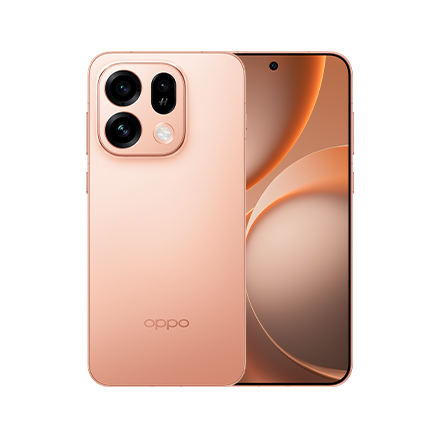


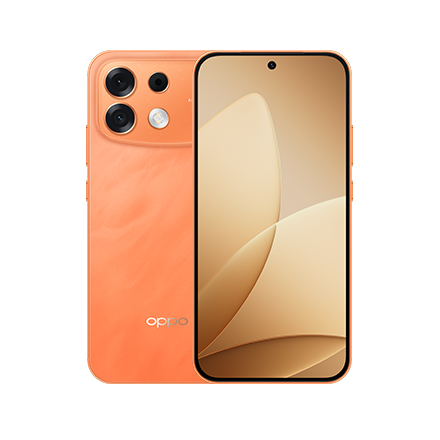









Camera phone for cinematic video in India: OPPO Find X9 Ultra with advanced video specs
Camera phone for cinematic video in India: OPPO Find X9 Ultra with advanced video specs
There's a reality about video that many overlook: a poorly exposed photo can often be fixed in post‑production, but if a video isn't shot right — lacking dynamic range or colour information — there's almost nothing you can do to salvage it later.
So when choosing a phone for video, three things matter most: dynamic range, frame rate flexibility, and thermal performance during extended recording.
The OPPO Find X9 Ultra delivers a complete package across all three areas.
It features the New‑Generation Hasselblad Master Camera System, powered by OPPO's self‑developed LUMO Imaging Engine.
Why O‑Log2 Matters More Than 8K
Many people look first at resolution when choosing a video phone — 8K is great, but what truly determines the usability of footage is dynamic range.
The OPPO Find X9 Ultra supports O‑Log2 recording, a feature that is crucial for post‑production flexibility. O‑Log2 retains a wider dynamic range, preserving details in both highlights and shadows without clipping. For creators grading in DaVinci Resolve or Final Cut Pro, this means the footage retains enough latitude for colour grading.
The ACES colour workflow ensures colour consistency across different devices and software. For collaborative projects, this is invaluable — directors, cinematographers, and colourists all see the same colour reference.
3D LUT: See the Final Look On‑Set
The OPPO Find X9 Ultra supports custom 3D LUT integration. This means you can create a LUT file in grading software, import it into the phone, and load it during shooting. The viewfinder will display the colour‑graded result in real time, allowing directors and cinematographers to judge whether the image meets expectations on‑set.
Frame Rates & Resolutions
Video recording covers the following range: 8K 30fps; 4K 120fps, 60fps, 30fps; 1080P 120fps, 60fps, 30fps; 4K Dolby Vision 120fps, 60fps, 30fps; and 1080P Dolby Vision 120fps, 60fps, 30fps. For slow motion: 4K supports 120fps; 1080P supports 240fps and 120fps; 720P supports 480fps and 240fps.
Hasselblad Colour & Stabilisation
Hasselblad Master Mode, Portrait Mode, and XPAN Mode deliver Hasselblad's signature colour styling. For 4K and 1080P recording, video stabilisation is supported by EIS/OIS‑assisted stabilisation. All three Hasselblad lenses — the Hasselblad 200MP Ultra‑Sensing Main Camera, the Hasselblad 200MP 3× Super Portrait Telephoto, and the Hasselblad 50MP 10x Ultra‑Sensing Optical‑Zoom Telephoto — are equipped with 2‑axis OIS.
The rear also includes a 50MP Ultra‑Wide Camera with an f/2.0 aperture and a 123° field of view, along with a New‑Gen True Color Camera. The front features a 50MP camera with an f/2.4 aperture, a 90° field of view, and autofocus support. The Pro Video mode listed in shooting modes offers additional manual controls.
Battery & Cooling
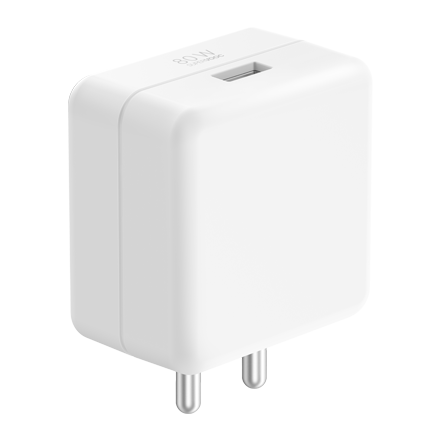
The OPPO Find X9 Ultra is powered by a 7050mAh silicon‑carbon battery. It supports 100W SUPERVOOC wired charging and 50W AIRVOOC wireless charging. The next‑generation 3D Cryo‑velocity Cooling System incorporates the industry's first Encapsulated Thermal Unit and an ultra‑thin vapour chamber structure.
Conclusion
When choosing a phone for cinematic video, O‑Log2 and 3D LUT are more critical indicators than megapixel count. The OPPO Find X9 Ultra's support for both, combined with 4K 120fps and 8K 30fps recording, elevates it from a "clear" camera phone to a device capable of participating in professional video workflows.
FAQs
Q: What's the difference between O‑Log2 and the standard video mode?
A: O‑Log2 retains a wider dynamic range and more colour information, providing greater headroom for colour grading. The standard video mode has colour and contrast baked into the image.
Q: How do I use custom 3D LUTs?
A: Create a LUT file (.cube format) in software such as DaVinci Resolve, import it into the phone, and load it before shooting.
Q: Should I choose 4K 120fps or 8K 30fps?
A: 4K 120fps is ideal for scenes requiring slow motion. 8K 30fps is better suited for scenarios where you need to crop and recompose in post.
Q: Does the phone overheat during extended 4K recording?
A: The next‑generation 3D Cryo‑velocity Cooling System is engineered for intensive 8K recording and extended shooting sessions.
FAQ
Q: What is the difference between the OPPO Find X9 Ultra's 10x optical zoom and the digital zoom on ordinary phones?
A: 10x optical zoom is true optical zoom achieved through the quintuple‑prism reflective periscope structure – when you zoom in, you're preserving optical detail rather than algorithm‑generated pixels. Digital zoom is essentially cropping and enlarging, which results in significant loss of detail.
Q: In which travel scenarios should I use the 3x telephoto versus the 10x ultra‑telephoto on the OPPO Find X9 Ultra?
A: The 3x telephoto (200MP, equivalent to about 70mm) is ideal for street photography, portraits, and medium‑distance landscapes. The 10x ultra‑telephoto (50MP, equivalent to 230mm) is suited for distant subjects – such as architectural details, wildlife, and far‑off mountain views.
Q: How effective is the stabilisation on the OPPO Find X9 Ultra when shooting with the telephoto lens?
A: The 10x ultra‑telephoto lens supports 2‑axis OIS optical stabilisation, combined with Sensor Shift stabilisation technology, which effectively reduces the impact of hand shake on image quality during handheld shooting.
Q: How long does the OPPO Find X9 Ultra's 7050mAh battery last during travel?
A: We picked up the phone on a full day of travel shooting and found that battery life held up easily – no need to top up at noon.