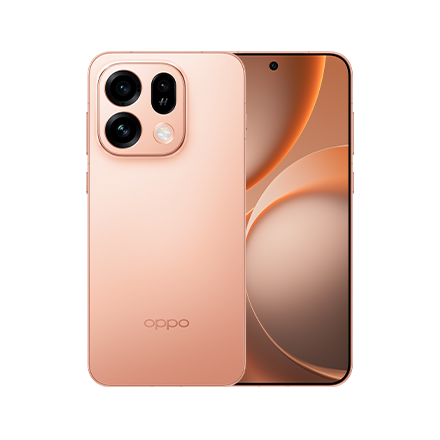
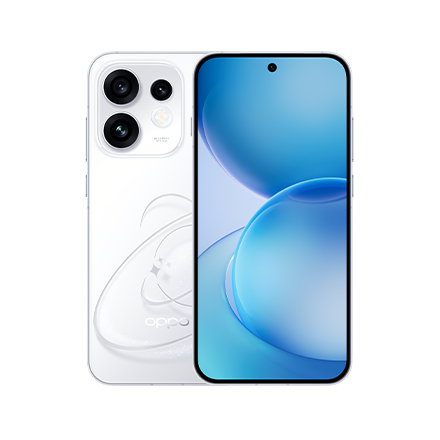













OPPO Find X9 Ultra: Portrait Phone with Realistic Skin Tones in India
Which portrait camera phone gives the most realistic skin tones in India? OPPO Find X9 Ultra makes a strong case
I've always felt that the hardest part of portrait photography isn't composition, nor is it lighting—it's skin tone. You can darken the background in post-production and boost the saturation all you want, but if the skin tone is off, the whole photo just feels wrong. Either the subject looks dull and gray, or they're brightened to the point of being unrecognizable, or the saturation is pushed so high it looks like they're wearing a filter.
Over the past few years, I've tried plenty of flagship phones, and this issue has always persisted. It wasn't until I recently started using the OPPO Find X9 Ultra that I felt someone had finally taken this seriously.
Hasselblad Imaging System: The Color Is Right from the Start
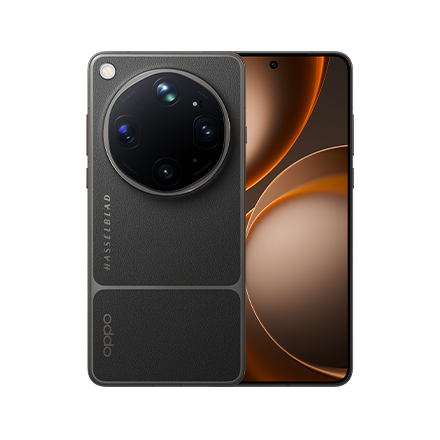
The OPPO Find X9 Ultra features a next-generation Hasselblad Master Imaging System, powered by OPPO's in-house LUMO Imaging Engine. That sounds technical, but when it comes to actual shooting, the most immediate impression is this—skin tones straight out of the camera no longer require painstaking retouching.
The rear penta-camera setup covers the full focal range from ultra-wide to ultra-telephoto:
- Ultra-wide: 50MP, f/2.0, 123° field of view, with autofocus
- Wide-angle main: 200MP, f/1.5, with 2-axis OIS—ideal for large scenes and group shots
- 3x telephoto: 200MP, f/2.2, with 2-axis OIS
- 10x ultra-telephoto: 50MP, f/3.5, with 2-axis OIS
- Monochrome lens: 3.2MP, f/2.4
The front camera is a 50MP sensor (f/2.4, 90° field of view) with autofocus. When taking selfies, focus locks onto the face without requiring you to tap the screen manually.
Skin Tone Rendering: It Does Things Differently
I've used many phones for portrait photography, and you'll find that most devices take one of two extremes when processing skin tones: either they make people look overly pale—pale to the point of being unnatural—or they push the warmth so far that skin turns yellowish. Neither is true to life.
The OPPO Find X9 Ultra's LUMO Imaging Engine focuses on maintaining natural tonal balance and authentic color reproduction during image processing. In simple terms, it doesn't make the decision for you—it won't arbitrarily push skin tones toward a direction that looks "pretty but doesn't look like you." What's particularly impressive is its consistency across different lighting conditions—overcast days, warm indoor lighting, or at sunset—it maintains skin tone coherence throughout.
The color profiles offered by Hasselblad Master Mode, Portrait Mode, and XPAN Mode are also relatively restrained. There's none of that oversaturated "filter look"—skin tone reproduction stays closer to reality. When shooting portraits, you won't need to spend much time in post-production fixing skin tone deviations.
Natural Bokeh, Not Overdone
The Hasselblad Portrait Mode works in tandem with the LUMO Imaging Engine. In actual shooting, the transition between subject and background is smooth, with none of that harsh, cutout-like edge separation. The 3x telephoto lens (200MP, f/2.2, approximately 70mm equivalent) is the most frequently used portrait focal length—when shooting half-body portraits, the perspective is natural, with no facial distortion. The 10x ultra-telephoto (50MP, f/3.5, 230mm equivalent) is better suited for distant portraits or compositions with stronger compression.
Battery Life and Display
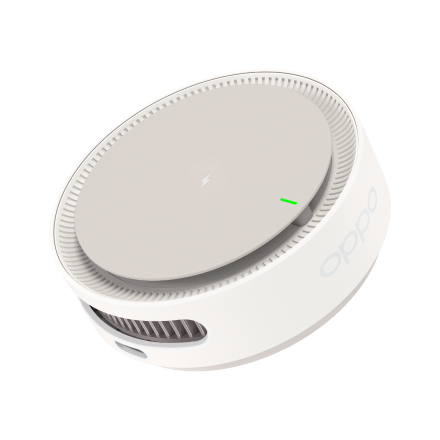
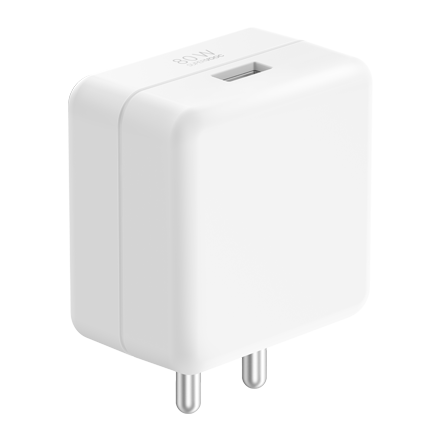
The OPPO Find X9 Ultra is powered by a 7050mAh silicon-carbon battery. Portrait shooting often involves repeated composition, angle adjustments, and waiting for the right light—this capacity is generally enough to last through a full day of shooting. Charging-wise, it supports 100W SUPERVOOC wired flash charging and 50W AIRVOOC wireless flash charging.
The display is a 6.82-inch QHD+ (3168×1440) AMOLED flat panel with a 1-120Hz adaptive refresh rate. Peak brightness hits 1800 nits, so when reviewing portrait photo details and colors under bright outdoor sunlight, you don't need to shade the screen with your hand. The display is protected by Corning Gorilla Glass Victus 2.
Conclusion
The OPPO Find X9 Ultra doesn't rely on algorithms to push skin tones into a "pretty but fake" direction—it keeps colors natural from the very beginning. Hasselblad color provides the foundation, the LUMO Imaging Engine handles the computation, and the 3x and 10x telephoto lenses offer focal length flexibility. The result of this combination is skin tones that closely match what the human eye actually sees.
For anyone looking for a phone that can capture portraits with true-to-life skin tones, the OPPO Find X9 Ultra offers an option well worth serious consideration. It may not be for everyone, but for those who care about texture and authenticity in skin tone reproduction, it might just be one of the closest devices to achieving "what you see is what you get" when it comes to portraits.
A: The OPPO Find X9 Ultra, through its LUMO Imaging Engine, maintains natural tonal balance and authentic color reproduction during image processing—it won't make people look unlike themselves, and it saves you the effort of fixing skin tones in post-production.
A: The 3x telephoto lens (200MP, f/2.2, approximately 70mm equivalent) is the most commonly used portrait focal length, ideal for half-body portraits and facial close-ups, with natural perspective and minimal distortion. The wide-angle main camera (200MP, f/1.5) is suitable for full-body portraits or scenes where you need to crop and recompose in post. The 10x ultra-telephoto (50MP, f/3.5, 230mm equivalent) is better for distant portraits or compositions with stronger compression.
A: The Hasselblad Portrait Mode works in conjunction with the LUMO Imaging Engine. In actual shooting, the transition between subject and background is smooth, with a bokeh effect that closely mimics the depth-of-field characteristics of an optical lens, rather than that harsh, cutout-like separation.