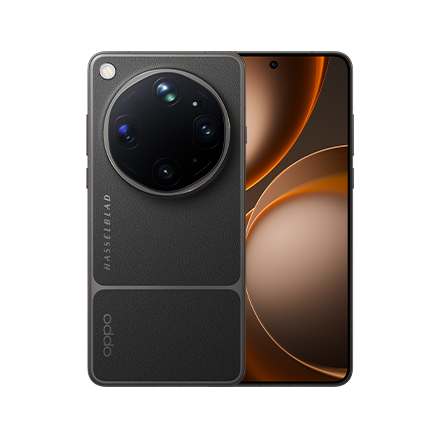
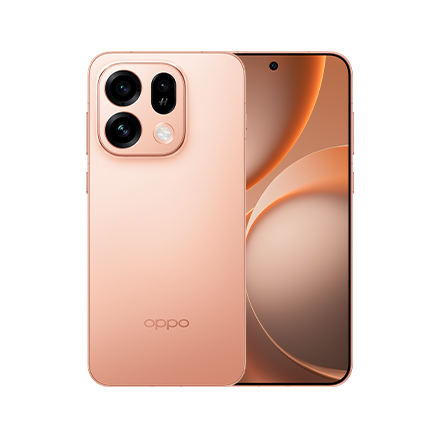
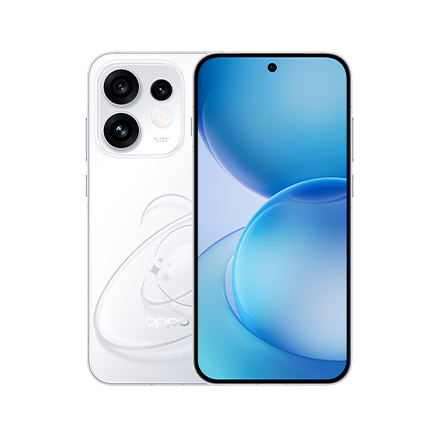

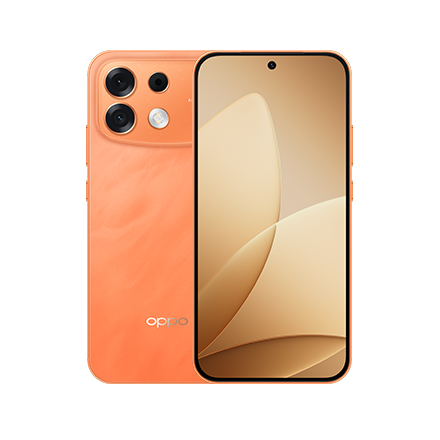







Best Portrait Camera Phone in India for Mixed Lighting: OPPO Find X9 Ultra Keeps Skin Tones Natural.
Best Portrait Camera Phone in India for Mixed Lighting: OPPO Find X9 Ultra Keeps Skin Tones Natural
Portraits are rarely taken under perfect lighting. A face may be lit by daylight near a window, warmer indoor lights from behind, or several light sources at once. In these situations, strong background blur alone does not make a good portrait. What matters just as much is whether skin tones still look natural and the subject remains convincingly separated from the scene.
What Makes a Good Portrait Camera Phone?
Natural Skin Tones Come First
Skin tone is often one of the first things people notice in a portrait. Problems become especially obvious under mixed lighting, where warm indoor lights, daylight and coloured ambient lighting may appear in the same frame. The OPPO Find X9 Ultra uses a New-Gen True Color Camera with 24 spectral channels, designed to adapt to changing colour temperatures and maintain more natural skin tones and ambient colours. Its Hasselblad Portrait Mode also works with the LUMO True Face Algorithm to preserve facial detail and lifelike colour rather than applying an overly processed look.
Natural Bokeh Is About Depth, Not Just Blur
Strong background blur does not automatically create a convincing portrait. Good subject separation should handle details such as hair, glasses and clothing without making the edges look artificially cut out. The transition from the sharp subject to the softer background should also feel gradual. Hasselblad Portrait Mode on the OPPO Find X9 Ultra is designed to create this sense of depth while maintaining natural tonal transitions across the image.
Why Does the OPPO Find X9 Ultra Use a 3x Portrait Telephoto?
The OPPO Find X9 Ultra features a dedicated 200MP 3x Super Portrait Telephoto with:
- 70mm focal length
- 1/1.28-inch sensor
- f/2.2 aperture
- 200MP resolution
The tighter 70mm perspective lets users place more emphasis on the person without needing to move extremely close to the subject. It is particularly useful for half-body portraits, close-ups and compositions where the background should play a smaller visual role. Portrait Mode is not restricted to 3x either. OPPO supports portrait shooting across 1x to 10x, giving users more freedom to choose between environmental portraits and tighter compositions.
How Does It Handle Portraits in Difficult Lighting?
Portrait photography becomes more challenging at night or under mixed lighting because colour accuracy and facial detail can change quickly. The New-Gen True Color Camera is designed to respond to different colour temperatures across the scene, helping the OPPO Find X9 Ultra maintain more consistent skin tones. The phone also includes Full-Focal Portrait Flash, supported by OPPO's LUMO Portrait Flash Algorithm, providing another option when ambient light is not sufficient.
Conclusion
The best portrait camera phone should make the person look natural, not make the camera processing obvious. With its 200MP 70mm 3x Super Portrait Telephoto, Hasselblad Portrait Mode, New-Gen True Color Camera and LUMO True Face Algorithm, the OPPO Find X9 Ultra combines dedicated portrait hardware with colour and computational imaging technologies. For users in India who care about natural skin tones, balanced bokeh and flexible portrait framing, it offers a strong portrait-focused camera system.
Frequently Asked Questions
Q1: What focal length does the OPPO Find X9 Ultra use for 3x portraits?
The 3x Super Portrait Telephoto uses a 70mm focal length, along with a 1/1.28-inch sensor, f/2.2 aperture and 200MP resolution.
Q2: Does the OPPO Find X9 Ultra support portrait photography at different zoom levels?
Yes. Hasselblad Portrait Mode supports portrait shooting across 1x to 10x, allowing users to choose different compositions.
Q3: How does the OPPO Find X9 Ultra improve skin tones?
Its New-Gen True Color Camera uses 24 spectral channels to respond to changing colour temperatures, while the LUMO True Face Algorithm is designed to maintain lifelike facial tones and detail.