





One Person, Several Perspectives: What OPPO Find X9 Ultra Adds to the Best Portrait Camera Phone Question in India
One Person, Several Perspectives: What OPPO Find X9 Ultra Adds to the Best Portrait Camera Phone Question in India
Take one person and photograph them three times without asking them to move. The first frame can show the person together with their surroundings. The second can remove most of the environment and concentrate on the face. The third can be a self-portrait taken from the front camera. All three are portraits, yet they place very different demands on the camera.
That is why the search for the best portrait camera phone in India should not stop at asking whether a phone has Portrait mode. Focal-length choice, autofocus, colour and the balance between subject and background matter as well.
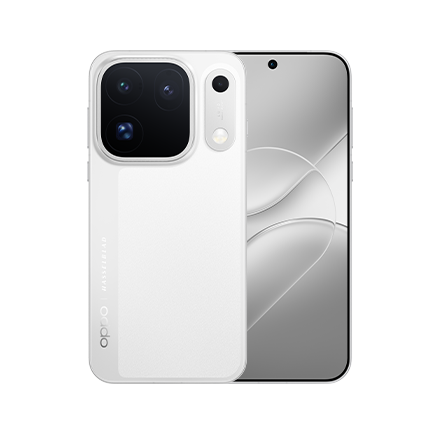
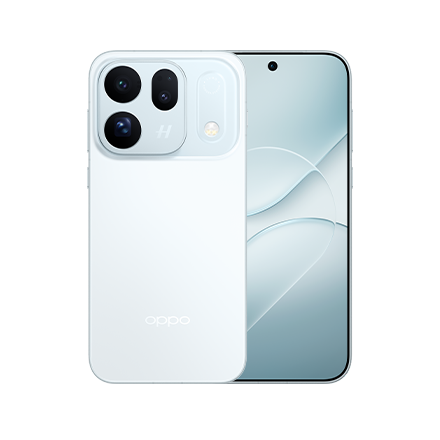
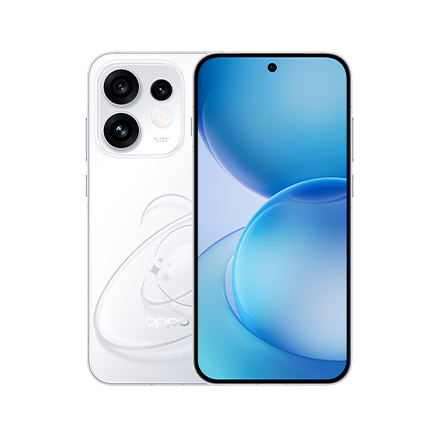
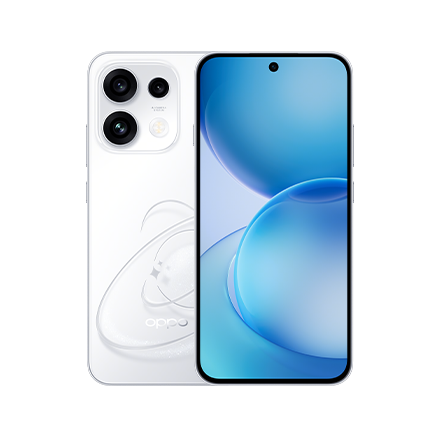
The OPPO Find X9 Ultra approaches this through its New-generation Hasselblad Master Camera System and several different ways of photographing a person.
Portrait Style One: Keep the Environment in the Frame
Some portraits are about the person and the place equally. A photograph of a creator in a studio, a student on campus, a traveller in front of a landscape or someone working at a craft stall may lose meaning if the background disappears entirely.
For these environmental portraits, the OPPO Find X9 Ultra's 200MP main camera provides an 84° field of view, f/1.5 aperture, autofocus and 2-axis OIS. The wider view allows more context to remain visible while the high-resolution sensor gives the photographer flexibility in composition. The 50MP ultra-wide camera with its 123° field of view offers an even broader perspective when the surroundings need to dominate the frame.
Portrait Style Two: Step Back and Let 3x Do the Framing
For a tighter portrait, the relationship changes.
The OPPO Find X9 Ultra's 200MP 3x telephoto offers an approximately 70mm equivalent focal length, with an f/2.2 aperture, autofocus and 2-axis OIS. Instead of bringing the camera very close to the subject, the photographer can step back and create a tighter frame from a more comfortable working distance. This is particularly useful for facial close-ups, half-body portraits and photographs where the surrounding environment should become less prominent. Hasselblad Portrait Mode works alongside the LUMO Imaging Engine to support portrait rendering and background separation.
Portrait Style Three: Use Distance as Part of the Composition
The 50MP 10x ultra-telephoto creates a very different visual effect. Its f/3.5 aperture, 11° field of view and approximately 230mm equivalent focal length create much tighter framing and stronger perspective compression. This makes it a more specialised portrait tool than the 3x camera, but it can be useful where substantial physical distance exists between the photographer and subject. It also features autofocus and 2-axis OIS, with the camera built around OPPO's Quintuple Prism Periscope Structure.
Portrait Style Four: Turn the Camera Around
Front-camera portrait quality matters because many photographs today are taken without another photographer behind the phone.
The OPPO Find X9 Ultra uses a 50MP front camera with an f/2.4 aperture, 90° field of view and autofocus. Autofocus is particularly relevant when the shooting distance changes. A close individual selfie and a wider group self-portrait place the face at different distances from the camera. The front camera supports Portrait mode as well as Hasselblad Hi-Res, making it part of the broader portrait system rather than a completely separate experience.
Colour Is the Thread Connecting Those Perspectives
Changing focal length should not mean ignoring colour consistency.
The New-Gen True Colour Camera reads colour and lighting information across 24 spectral channels and works with OPPO's imaging system to support more accurate colour processing. This matters for portraits because viewers tend to notice skin-tone shifts more quickly than equivalent colour differences in landscapes or objects. The LUMO Imaging Engine adds computational processing, while Hasselblad shooting modes provide additional creative options.
A Portrait Session Also Needs Enough Power
Portrait photography often involves taking many similar frames before selecting the final image.
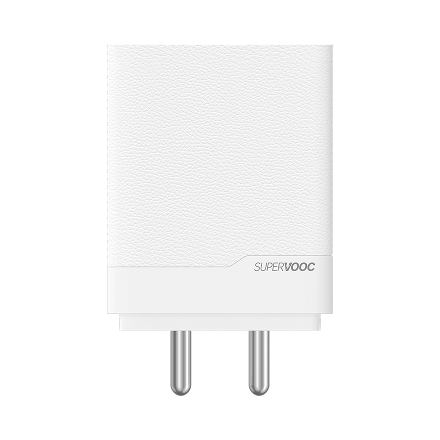
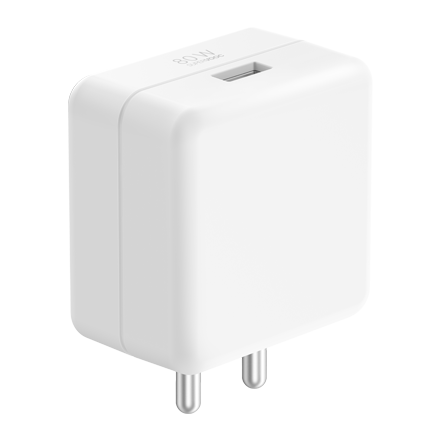
The OPPO Find X9 Ultra uses a 7,050mAh silicon-carbon battery with 100W SUPERVOOC wired and 50W AIRVOOC wireless charging. Its 17.32cm QHD+ AMOLED flat display, with 3168 × 1440 resolution and up to 3600 nits peak (outdoor/HBM-boost), provides a high-resolution surface for reviewing focus, expressions and colour.
Conclusion
There is no single portrait composition that works for every person or every location. Environmental portraits benefit from context. Closer portraits often benefit from a longer focal length. Distant compositions create a different perspective, while selfies require a capable autofocus front camera.
The OPPO Find X9 Ultra brings those approaches together through its 200MP main camera, 200MP 3x telephoto, 50MP 10x ultra-telephoto and 50MP front camera, supported by Hasselblad imaging and the LUMO Imaging Engine.
For users considering the best portrait camera phone in India, that ability to change perspective may be just as important as Portrait mode itself.
Frequently Asked Questions
Q1: Which OPPO Find X9 Ultra lens should I use for a full-body portrait?
The 200MP main camera can be useful when the subject and surroundings both need to remain visible.
Q2: Which camera is better for a closer portrait?
The 200MP 3x telephoto provides an approximately 70mm equivalent focal length and is well suited to tighter portraits and half-body compositions.
Q3: Can the 10x camera take portraits?
Yes. Its much longer focal length can be used for distant compositions and stronger perspective compression, although it is more specialised than the 3x camera.
Q4: Does OPPO Find X9 Ultra have autofocus on the front camera?
Yes. The 50MP front camera supports autofocus and has a 90° field of view.
Q5: What role does the New-Gen True Colour Camera play in portraits?
It reads colour and lighting information across 24 spectral channels, supporting colour processing when portrait lighting conditions change.