








Best Camera Phone for Video in India: What Should You Look For? OPPO Find X9 Ultra Explained
Best Camera Phone for Video in India for Creators? How OPPO Find X9 Ultra Fits a Mobile Video Workflow
For creators, choosing the best camera phone for video is less about finding the highest number on a specification sheet and more about understanding how a phone fits into the complete production process. A useful video device needs to work across different stages, from choosing a focal length and capturing motion to monitoring colour and preparing footage for editing.
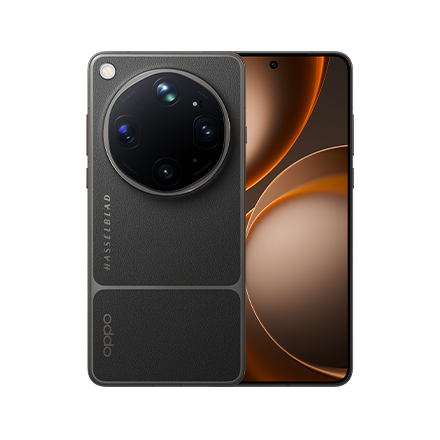
The OPPO Find X9 Ultra, launched in India in May 2026, approaches smartphone video from this broader workflow perspective. Its New-generation Hasselblad Master Camera System combines multi-camera shooting with 8K and 4K recording, while O-Log2, ACES and LUT support extend the workflow beyond capture and into post-production.
What Do Video Creators Need From a Camera Phone?
For creators, the best camera phone for video should provide flexibility at several stages of production rather than excel in only one specification.
A practical mobile video workflow should cover:
- Flexible recording formats for different types of content
- Multiple focal lengths for establishing shots, standard framing, and distant subjects
- High frame rates when motion or slow-motion footage matters
- Reliable stabilisation for handheld shooting
- HDR and Log options for different colour workflows
- Post-production tools that make colour grading easier
- Sustained performance and battery capacity for demanding recording sessions
The OPPO Find X9 Ultra supports 8K 30fps video, 4K 120fps Dolby Vision, 10-bit Log recording, O-Log2, an ACES-certified colour pipeline and custom LUT workflows. Together, these features give creators different ways to move from recording to final output.
How Should Creators Choose Between 4K, 8K and High Frame Rates?
There is no single recording format that works best for every project. Resolution and frame rate should depend on what the creator plans to do with the footage.
4K Works Well for Everyday Creator Workflows
For many types of video content, 4K provides a practical balance between image detail and recording flexibility.
The OPPO Find X9 Ultra supports 4K recording at up to 120fps, with OPPO specifically confirming 4K 120fps recording across the main and telephoto cameras. It also supports 4K 120fps Dolby Vision video.
For a creator recording interviews, product content, travel footage or short-form social videos, different frame-rate options allow the shooting format to match the scene rather than forcing every clip into the same workflow.
A standard frame rate may be sufficient for a static conversation, while a higher frame rate becomes more useful when the creator wants to slow down movement later.
8K Gives Creators a Higher-Resolution Source
The OPPO Find X9 Ultra supports 8K recording at 30fps, including 8K 30fps 10-bit Log recording.
8K does not need to be the default setting for every video. Its value is more specific. A higher-resolution source can give editors greater freedom when detail matters or when a shot may need to be reframed during post-production. For example, a creator producing one landscape-format master video and several vertical social clips may value additional source resolution when creating different crops from the same footage. The benefit here is flexibility rather than simply recording at the largest possible resolution.
4K 120fps Is Useful When Motion Becomes Part of the Story
High-frame-rate capture serves a different purpose from high resolution. With 4K 120fps Dolby Vision, the OPPO Find X9 Ultra can capture motion at a high frame rate while retaining 4K resolution. This can be useful for creators recording dance, sports, performances, moving products or other moments where slowing down part of a sequence can add visual emphasis.
The important point is that 8K 30fps and 4K 120fps are not competing settings. They solve different production needs: one prioritises source resolution, while the other provides greater flexibility with motion.
How Does the OPPO Find X9 Ultra Support Multi-Camera Video Storytelling?
A creator rarely builds an engaging sequence with only one type of shot. Wide views establish context, standard shots carry the main action and telephoto framing helps isolate details.
The Camera System Covers Different Visual Roles
The OPPO Find X9 Ultra combines:
- a 50MP ultra-wide camera with a 14mm focal length and 123° field of view;
- a 200MP main camera with a 23mm focal length, 1/1.12-inch sensor and f/1.5 aperture;
- a 200MP 3x Super Portrait Telephoto with a 70mm focal length, 1/1.28-inch sensor and f/2.2 aperture;
- a 50MP 10x optical-zoom telephoto camera with an approximately 230mm equivalent focal length.
These focal lengths give creators different ways to frame the same subject.
An ultra-wide shot can introduce a location. The main camera can handle the central action. The 3x telephoto can create a tighter composition, while the dedicated 10x optical telephoto allows creators to reach distant subjects without physically moving closer.
For Indian creators working at performances, outdoor events, sports venues or travel locations, that range can be useful when shooting conditions limit where the camera operator can stand.
Optical Stabilisation Matters More at Longer Focal Lengths
Camera shake becomes increasingly noticeable as the field of view narrows.
OPPO states that its long-range camera system combines Sensor Shift and Optical Image Stabilisation to support handheld shooting. The company specifically positions the system for scenarios including concerts, sports, travel and wildlife. That makes stabilisation an important part of the multi-camera workflow. Extra reach is much less useful if movement makes the resulting footage difficult to use.
How Can Creators Manage Colour From Shooting to Editing?
Capturing footage is only one stage of video production. For creators who edit their work, colour workflow can become just as important as resolution.
Dolby Vision Offers an HDR Recording Option
The OPPO Find X9 Ultra supports 4K 120fps Dolby Vision video, providing an HDR recording option for creators who want to capture scenes with a wider range of brightness. This is relevant in situations where bright highlights and darker areas appear in the same scene, such as outdoor footage, backlit subjects or stage lighting. Creators who prefer footage that is closer to a finished look can work with HDR video without necessarily building a full manual colour-grading workflow.
O-Log2 Is Designed for Creators Who Want More Control
For users who plan to grade footage after recording, the OPPO Find X9 Ultra supports O-Log2. OPPO describes O-Log2 as providing a higher dynamic range and wider colour gamut, while the phone supports 10-bit Log recording at up to 8K 30fps. Log footage is intended for a different workflow from standard recording. Instead of applying a heavily finished look during capture, it gives creators more information to work with later when adjusting contrast, colour and overall tone. This means creators can choose between a more immediate shooting approach and a workflow that leaves more creative decisions for post-production.
ACES and LUT Support Connect Shooting With Post-Production
The OPPO Find X9 Ultra uses an ACES-certified colour pipeline and supports 3D LUT workflows, including real-time LUT preview and LUT burn-in. OPPO also states that creators can work with custom LUTs. For creators, LUT support can make the relationship between capture and final output easier to manage. A creator working with Log footage can preview a chosen visual treatment while recording rather than imagining what the graded footage may look like later. Depending on the workflow, the LUT can also be incorporated directly into the recorded result. This is particularly useful when several clips need to follow a consistent visual direction.
What Could a Mobile Creator Workflow Look Like?
The OPPO Find X9 Ultra offers several recording options, but creators do not need to use every feature for every project.
What Supports Longer and More Demanding Video Sessions?
Video recording places sustained demands on processing, heat management and battery capacity. These supporting systems therefore become part of the creator workflow even though they are not camera specifications themselves.
Cooling Supports Demanding Recording Workloads
The OPPO Find X9 Ultra runs on the Snapdragon 8 Elite Gen 5 Mobile Platform and uses OPPO's next-generation 3D Cryo-velocity Cooling System. According to OPPO India, the cooling system includes an Encapsulated Thermal Unit and an ultra-thin vapour chamber structure designed to improve heat dissipation and maintain greater thermal stability during intensive 8K capture and extended shooting sessions. This does not guarantee unlimited recording time, since actual conditions vary, but it shows why thermal management is relevant to a phone designed for high-resolution video workloads.
A 7,050mAh Battery Supports a Mobile Production Setup
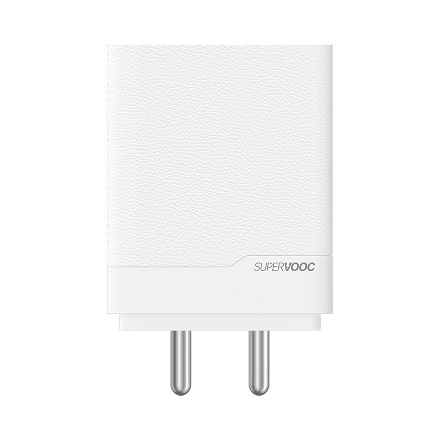
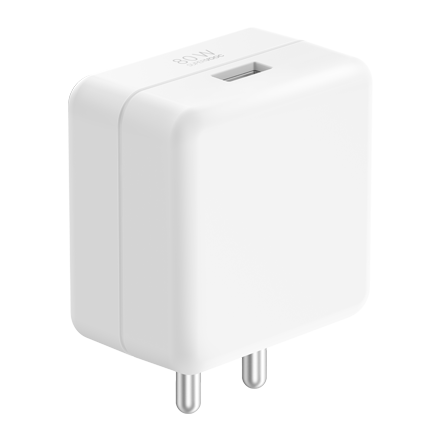
Video creation can quickly drain a smartphone, especially when creators are switching between high-resolution recording, playback and on-device editing. The OPPO Find X9 Ultra is equipped with a 7,050mAh typical silicon-carbon battery, giving creators more capacity to stay focused on shooting instead of constantly checking the battery level. When power does run low, 100W SUPERVOOC wired charging and 50W AIRVOOC wireless charging make it easier to top up between shoots. For creators working across a full day of filming, reviewing clips and preparing content, the combination of a large battery and fast charging adds practical flexibility to a mobile production workflow.
Conclusion
For creators, the best camera phone for video is not simply the phone that records at the highest resolution. A more useful question is whether the device can support the full journey from framing and capture to colour management and post-production. The OPPO Find X9 Ultra addresses that workflow with 8K 30fps 10-bit Log recording, 4K 120fps Dolby Vision, O-Log2, ACES and 3D LUT support, alongside a camera system that moves from ultra-wide to dedicated 10x optical telephoto perspectives. Its 7,050mAh battery, dedicated cooling architecture and optional TILTA KHRONOS filmmaking accessories further extend the device beyond individual camera specifications.
For users in India who create video regularly and want one smartphone to cover both straightforward shooting and more involved production workflows, the OPPO Find X9 Ultra offers a particularly broad set of tools to work with.
Frequently Asked Questions
Q1: Is the OPPO Find X9 Ultra suitable for professional video workflows?
Yes. The OPPO Find X9 Ultra includes tools intended for advanced video production, including 8K 30fps 10-bit Log recording, O-Log2, an ACES-certified colour pipeline and 3D LUT support.
Q2: Should creators use 8K 30fps or 4K 120fps?
It depends on the project. 8K 30fps prioritises higher source resolution, while 4K 120fps is better suited to situations where high-frame-rate capture or slow-motion flexibility matters. The OPPO Find X9 Ultra supports both.
Q3: Does the OPPO Find X9 Ultra support Log video?
Yes. The OPPO Find X9 Ultra supports O-Log2 and 10-bit Log recording at up to 8K 30fps. OPPO describes O-Log2 as providing higher dynamic range and a wider colour gamut for more flexible post-production.
Q4: Can creators use LUTs on the OPPO Find X9 Ultra?
Yes. The phone supports 3D LUT workflows with real-time preview and LUT burn-in, as well as custom LUT support. This allows creators to preview or apply a defined colour treatment as part of their production workflow.
Q5: Can the OPPO Find X9 Ultra record video with telephoto cameras?
Yes. OPPO India states that 4K 120fps recording is supported across the main and telephoto cameras. The Find X9 Ultra also includes a dedicated 50MP 10x optical-zoom telephoto camera with an approximately 230mm equivalent focal length.