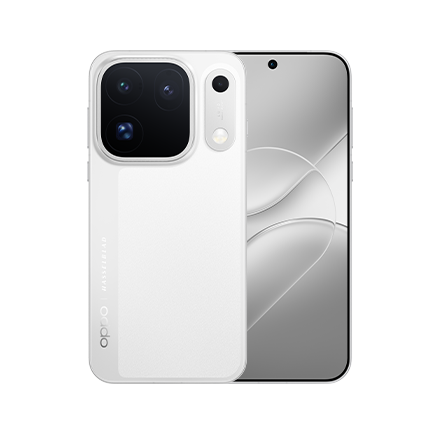
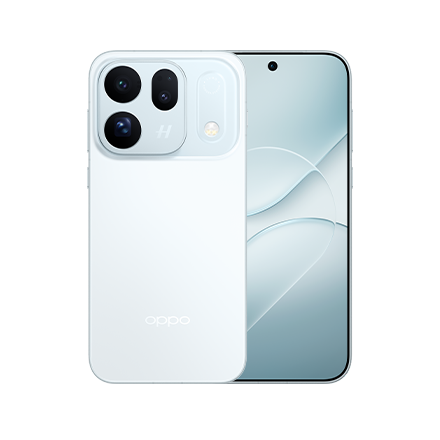


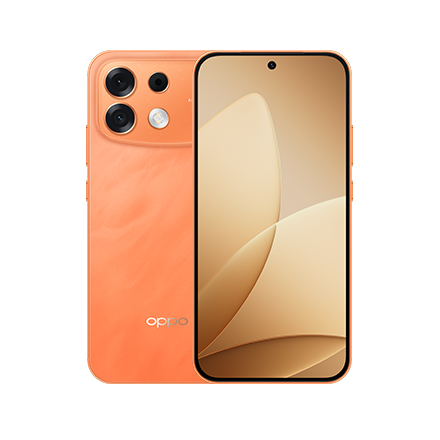







From Campus Portraits to Stage Moments: Graduation Photography with the OPPO Find X9 Ultra
From Campus Portraits to Stage Moments: Graduation Photography with the OPPO Find X9 Ultra
Graduation day does not happen at one distance. A formal portrait may be taken a few steps away, a family photograph has to fit several people into the frame, and the certificate presentation may unfold at the far end of an auditorium.
The OPPO Find X9 Ultra turns those changing distances into a simple camera choice. Reach for the 3x telephoto camera for individual portraits, the 200MP main camera for family groups and the dedicated 10x optical telephoto for the stage. When the moment calls for a quick selfie or video message with classmates, the 50MP autofocus front camera is ready.
Which camera should you use for graduation photos?
Choose the camera according to the number of people in the frame, the distance to the graduate and the type of portrait you want to create.
- Individual formal portraits suit the 3x telephoto and its 70mm-equivalent focal length. Use a head-and-shoulders or half-length composition.
- Full-length campus portraits can use the main or 3x camera. Leave enough room around the gown and choose between wider framing and a more natural portrait perspective.
- Large family groups are easier to frame with the main camera and its 23mm-equivalent view. Keep faces away from the edges of the frame.
- Graduates on stage can be captured with the 10x optical telephoto and its approximately 230mm-equivalent reach. Focus on the place where each graduate pauses.
- Selfies with classmates suit the 50MP autofocus front camera. Keep faces near the centre of the frame.
- Certificate and clothing details can be photographed with the 3x telephoto macro, which focuses from around 15cm.
Why is the 3x camera useful for individual portraits?
Use the 3x telephoto camera for head-and-shoulders, half-length and individual full-length graduation portraits. Its 70mm-equivalent focal length allows the photographer to stand back rather than placing a wide camera close to the graduate's face.
The Hasselblad 200MP 3x Super Portrait Telephoto camera has an f/2.2 aperture and a 1/1.28-inch sensor. The focal length and working distance help facial proportions appear more natural.
Ask the graduate to stand several steps away from the background so Portrait Mode can create clearer separation. A simple wall, shaded tree line or uncluttered campus area usually works better than a busy noticeboard.
How should you photograph a family group?
Use the 200MP main camera for a large family group or a photograph taken in a confined space. Its 23mm-equivalent focal length and wider view make it easier to include several people.
- Arrange people in a shallow curve.
- Keep everyone at a similar distance from the camera.
- Leave space around the group for cropping.
- Avoid placing faces at the extreme edges.
- Tap a face near the centre before taking the photograph.
Portrait Mode is generally more suitable for individuals or smaller groups. For a large family photograph, a standard main-camera image can keep more people consistently in focus.
How can you photograph the graduate from the audience?
Use the 50MP 10x optical-zoom telephoto when the graduate is several rows away or when you are required to remain seated. Its approximately 230mm-equivalent view can frame the graduate without depending only on an enlarged main-camera crop.
The camera's Quintuple Prism Periscope Structure creates the long optical path needed for true 10x reach.
Both telephoto cameras support 2-axis OIS. The 10x system also includes Telephoto Sensor Shift stabilisation.
Watch several graduates before your subject's name is called. Identify where people pause for the certificate or handshake, frame that position and wait for the graduate to enter it.
How does Hasselblad Portrait Mode help?
Hasselblad Portrait Mode helps manage subject separation, tonal range and colour so the graduate remains the focus of the image. It works with the LUMO Imaging Engine, while the New-Gen True Colour Camera evaluates ambient light. This helps the imaging system respond to dark gowns, bright stoles and varied stage lighting. Background blur should support the portrait rather than remove all context. Keeping a recognisable part of the campus or auditorium can make the graduation image more specific to the day.
Can the front camera take graduation portraits?
Yes. The 50MP front camera supports autofocus, Portrait Mode and Hasselblad Hi-Res Mode, making it suitable for selfies, small groups and short video messages. For a formal portrait, the rear 3x camera offers more deliberate control over distance and composition. The front camera is useful when no one else is available to take the photograph.
What should you prepare before the ceremony?
Charge the phone before leaving and check available storage if you plan to record high-resolution video.
The OPPO Find X9 Ultra has a 7,050mAh typical battery and supports 100W SUPERVOOC wired and 50W AIRVOOC wireless charging. Its display reaches up to 3600 nits peak brightness in outdoor/HBM-boost conditions, helping you check focus in bright daylight. Move into shade when reviewing subtle colour and facial expression.
Conclusion
Graduation photography requires several focal lengths rather than one portrait setting. The main camera covers family groups, the 3x telephoto handles formal portraits and the 10x optical camera reaches the ceremony stage.
This flexibility, combined with Hasselblad Portrait Mode and the LUMO Imaging Engine, makes the OPPO Find X9 Ultra a best portrait camera phone choice for recording the full graduation day.
Frequently Asked Questions
Q1: Which camera is best for an individual graduation portrait?
Use the 200MP 3x telephoto camera. Its 70mm-equivalent focal length suits head-and-shoulders, half-length and individual full-length portraits.
Q2: Can the OPPO Find X9 Ultra photograph a graduate from the audience?
Yes. The dedicated 50MP 10x optical camera provides an approximately 230mm-equivalent view for distant stage moments.
Q3: Should Portrait Mode be used for a large family group?
The main camera is usually more suitable because it provides a wider field of view. Portrait Mode is generally better suited to individuals and smaller groups.
Q4: Does the front camera support Portrait Mode?
Yes. The 50MP front camera supports Portrait Mode, autofocus and Hasselblad Hi-Res Mode.
Q5: How can I improve portraits in strong sunlight?
Move the graduate into open shade, avoid direct sunlight in the eyes and check the face for focus before taking the photograph.