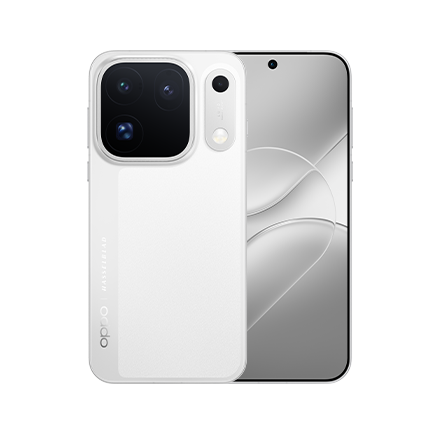
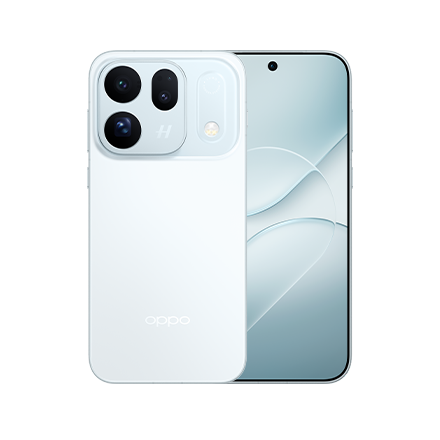


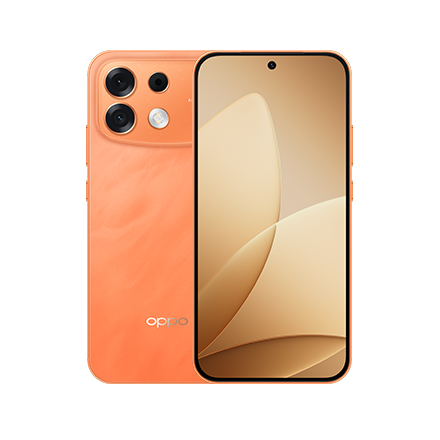










Build the Shot, Not Just the Spec Sheet: How OPPO Find X9 Ultra Approaches the Best Camera Phone for Video in India
Build the Shot, Not Just the Spec Sheet: How OPPO Find X9 Ultra Approaches the Best Camera Phone for Video in India
"Cinematic" is one of the easiest words to put on a smartphone camera feature list and one of the hardest to define in an actual shoot. A cinematic-looking sequence might begin with a wide establishing shot, move into a closer dialogue scene, slow down a short movement for emphasis and finish with a night exterior. Those shots require different focal lengths, frame rates and colour decisions.
So how should you pick a camera phone for cinematic video in India? A useful starting point is to look at the whole shooting process rather than one headline specification.
First Decide How You Want Movement to Look
Frame rate changes the rhythm of a sequence.
The OPPO Find X9 Ultra supports:
- 8K at 30fps
- 4K at 120fps, 60fps and 30fps
- 4K Dolby Vision HDR at up to 120fps
- 1080P at up to 120fps
For a dialogue or establishing shot, 30fps may be sufficient. For a movement sequence that will later be slowed down, 4K 120fps gives editors additional flexibility. 8K 30fps serves a different purpose. Its higher resolution can provide more room to crop or reframe during post-production when the final delivery resolution is lower.
A cinematic workflow is therefore less about always choosing the highest setting and more about choosing the recording mode that suits the shot.
Then Ask How Much Colour Control You Actually Need
Some creators want footage that can be shared immediately. Others expect to grade every scene.
The OPPO Find X9 Ultra supports both approaches. Its New-generation Hasselblad Master Camera System works with OPPO's LUMO Imaging Engine for everyday imaging, while creators seeking a more controlled post-production workflow can use O-Log2 recording. The phone also supports ACES workflows and real-time 3D LUT preview and burn-in. That makes it possible to approach colour as part of the production process rather than as an afterthought.
For a short-form narrative piece, for example, an indoor dialogue scene and an outdoor sunset sequence may need to feel visually connected despite being captured in very different light. Colour-management tools provide greater flexibility when bringing those clips together later.
Focal Length Changes the Story Too
Cinematic video is not created by colour grading alone.
Lens choice changes how a viewer perceives distance and space.
The OPPO Find X9 Ultra offers several perspectives:
- 50MP ultra-wide with a 123° field of view
- 200MP main camera with f/1.5 aperture and 2-axis OIS
- 200MP 3x telephoto with f/2.2 aperture and 2-axis OIS
- 50MP 10x ultra-telephoto with f/3.5 aperture and 2-axis OIS
A wide camera can establish the environment. The main camera can handle general coverage. The 3x telephoto can tighten the composition for dialogue or detail shots, while the 10x camera provides a more compressed perspective when the subject remains far away. The 10x camera also uses a Quintuple Prism Periscope Structure, extending optical reach without requiring an external lens.
Handheld Footage Should Still Feel Intentional
Not every creator works with a tripod, slider or gimbal. The OPPO Find X9 Ultra supports coordinated EIS/OIS stabilisation during 4K and 1080P recording. Three rear cameras also feature 2-axis optical stabilisation. This provides more support for handheld sequences, whether the camera is following a subject, changing position between shots or recording from a tighter telephoto perspective.
Stabilisation cannot replace deliberate camera movement, but it can help creators keep handheld footage more controlled.
Make Sure the Phone Can Finish the Scene
High-resolution video places demands on processing, storage, thermals and battery life. The Snapdragon 8 Elite Gen 5 platform is paired with 12GB LPDDR5X RAM and 512GB UFS 4.1 storage. The next-generation 3D Cryo-velocity cooling system, including an Encapsulated Thermal Unit and ultra-thin vapour chamber, is designed to support intensive 8K recording and extended shooting scenarios.
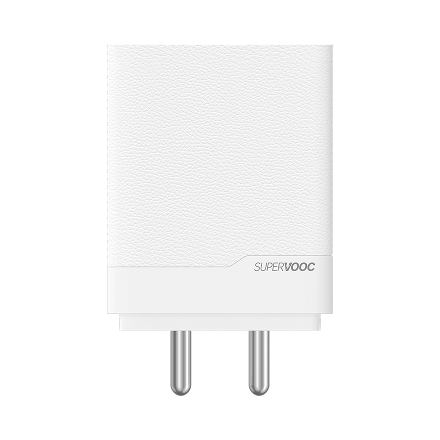
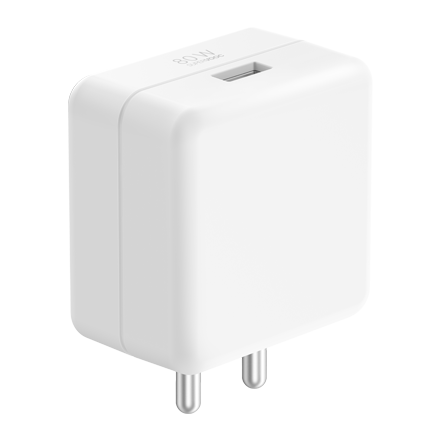
A 7,050mAh silicon-carbon battery provides power for longer sessions, while 100W SUPERVOOC wired charging and 50W AIRVOOC wireless charging provide options between takes. The 17.32cm QHD+ AMOLED flat display, with up to 3600 nits peak (outdoor/HBM-boost), also makes it easier to review footage when shooting outside.
Conclusion
Picking the best camera phone for video is easier when "cinematic" is broken into practical decisions: how movement should look, how much colour control is required, which focal length tells the story and whether the device can sustain the workflow.
The OPPO Find X9 Ultra addresses each of those areas with flexible recording formats, Hasselblad imaging, O-Log2, ACES, multiple stabilised cameras and performance hardware designed around demanding video use.
For mobile filmmakers in India, those tools provide room to think about the shot itself rather than treating cinematic video as a single camera mode.
Frequently Asked Questions
Q1: What should I prioritise in a phone for cinematic video?
Look at frame-rate flexibility, stabilisation, colour workflow, focal lengths and sustained recording capability rather than resolution alone.
Q2: Does OPPO Find X9 Ultra support Log recording?
Yes. It supports O-Log2 recording.
Q3: Can I use LUTs while shooting?
The OPPO Find X9 Ultra supports real-time 3D LUT preview and burn-in.
Q4: Is 8K always better for cinematic video?
Not necessarily. 8K offers greater resolution, while 4K frame-rate options may be more useful for other shots. The right format depends on the project.
Q5: Does it support HDR video?
Yes. The OPPO Find X9 Ultra supports 4K Dolby Vision HDR recording at up to 120fps.