










Why Some Phones Feel Faster Despite Similar Specs
Your smartphone's performance depends on more than just its processor. Software optimisation, memory management, thermal control, and storage performance all contribute to how fast and responsive a phone feels in everyday use.
This guide explains why some phones feel faster than others despite having similar specifications and what to look for in a device built for long-term smoothness.
Why Hardware Specs Don’t Tell the Full Story
While hardware specifications provide a useful snapshot of a smartphone's capabilities, real-world performance depends on how effectively the hardware and software work together to deliver a smooth, consistent user experience.
Beyond processor names
A processor handles calculations and helps run apps, games, cameras, and AI features. However, two phones using capable chipsets can still feel very different in daily use.
This happens because smartphone performance depends on multiple factors working together:
Software optimisation
Memory management
Storage speed
Thermal control
Background app handling
Long-term system maintenance
A powerful chipset can only perform at its best when paired with a well-optimised operating system and efficient resource management.
Why benchmarks don't reflect daily use
Benchmark tests measure performance under controlled conditions, but they do not always reflect everyday activities such as multitasking, content creation, and social media use. Real-world responsiveness depends more on how efficiently a phone manages its resources throughout the day.
The Factors That Make Smartphones Feel Fast
A smartphone feels fast when actions happen instantly and consistently, not simply when it achieves a high score during testing.
Software optimisation
Software optimisation helps smartphones use their hardware more efficiently, resulting in faster app launches, smoother multitasking, and more consistent performance.
Storage and memory performance
Storage speed affects how quickly apps and files load, while memory management determines how efficiently a phone handles multiple applications at once. Together, they play a major role in everyday responsiveness.
Why Some Phones Stay Smooth Longer
Many smartphones feel fast during the first few months but become slower as more apps, files, and updates accumulate.
Managing app loads over time
As more apps, files, and services accumulate over time, smartphones need to manage increasing demands on storage, memory, and background resources. Effective resource management helps maintain smooth performance even after years of use.
Long-term system optimisation
Long-term performance depends on how well a smartphone manages memory, schedules apps, and balances system resources over time. Good optimisation helps keep the device responsive and dependable beyond the initial setup period.
The Difference Between Peak Speed and Consistent Speed
Many buyers focus on maximum performance, but consistent performance often matters more.
Sustained performance
Peak speed measures short bursts of performance, while sustained performance reflects how a phone handles demanding tasks throughout the day. For most users, consistent responsiveness matters more than achieving the highest benchmark scores.
Thermal efficiency
Heat can affect smartphone performance, especially during gaming, video recording, or prolonged multitasking. Effective thermal management helps maintain stability, responsiveness, and battery efficiency during extended use.
What Buyers Should Prioritise Beyond Performance Numbers
Instead of focusing only on technical specifications, buyers should evaluate how a phone performs during everyday activities.
Day-to-day responsiveness
Important indicators of a smooth experience include:
Fast app launches
Responsive touch interactions
Fluid scrolling
Reliable multitasking
Quick camera access
Consistent performance throughout the day
These factors affect daily satisfaction far more than isolated benchmark results.
Longevity and software experience
When choosing a device, consider:
Long-term software optimisation
Consistent system performance
Reliable updates
Battery efficiency
Stability after years of use
A strong software experience ensures that the device continues to feel modern and capable long after purchase.
How the Reno16 Series Focuses on Everyday Smoothness
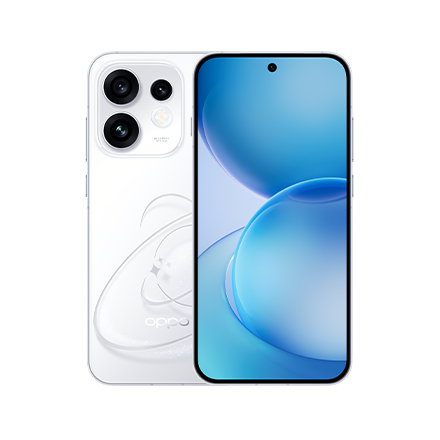
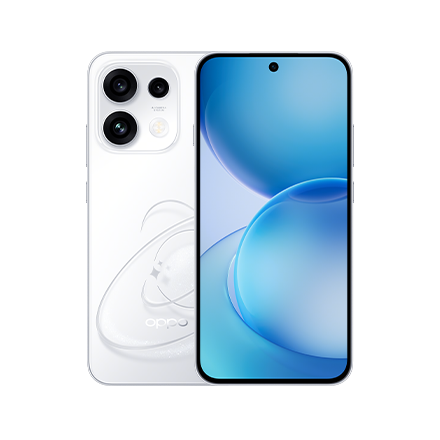
The OPPO Reno16 5G and OPPO Reno16c 5G are designed to deliver a smooth everyday experience through a combination of intelligent software, AI-powered features, and long-term system optimisation. As a Trendy Portrait Bestie, the series supports work, study, communication, content creation, entertainment, and social sharing.
ColorOS 16 features
The OPPO Reno16 Series runs ColorOS 16 (Android 16) and includes a range of AI-powered tools designed to improve productivity, organisation, communication, and convenience. Key features include:
AI Snap Key: Helps users quickly capture and save useful information for later reference.
AI Mind Pilot: Helps organise notes, ideas, and important information more efficiently.
AI Bill Manager: Helps users track and manage bills and expenses in one place.
AI Menu Translation: Helps users understand menus and foreign-language text while travelling.
AI Live Translation: Supports smoother communication across different languages.
O+ Connect: Supports seamless connectivity and file sharing across devices.
Together, these features help users stay organised, work more efficiently, and manage everyday tasks with less effort.
Smooth After 6 Years of Use
A smartphone's performance is measured not only by how fast it feels on day one, but also by how well it performs over time.
The OPPO Reno16 Series is designed to stay smooth after 6 years of use, helping maintain responsiveness across multitasking, productivity, photography, entertainment, and everyday communication. Combined with ColorOS 16 (Android 16), intelligent resource management, and an integrated AI ecosystem, the series is built for a consistently smooth experience over the long term.
For students, professionals, creators, and everyday users, this means a device that remains responsive across work, communication, photography, entertainment, and social content creation.