

What IP Ratings Do Not Cover: Understanding Water and Dust Resistance
If you are asking, "Which phone under ₹70,000 has the best water and dust resistance rating in India?", the answer is not simply the device with the highest IP number. IP ratings indicate resistance to dust and water under specific laboratory test conditions, but they do not guarantee protection in every real-world situation.
The smartest way to evaluate a durable smartphone is to understand what an IP rating measures, what it does not measure, how the tests are conducted, and how the manufacturer defines proper usage. Buyers should consider the complete rating set, test conditions, care requirements, and warranty terms rather than relying on a single number alone.
What does a smartphone IP rating test?
An IP (Ingress Protection) rating is a standardised way of describing how well a device resists the entry of dust and water under controlled conditions. The two digits in the rating represent separate tests for dust and water resistance.
How the dust-resistance digit works
The first digit measures protection against solid particles such as dust. The highest commonly used rating is "6", which indicates that a device is dust-tight during laboratory testing.
A dust-resistance test is designed to verify whether harmful dust can enter the device enclosure under specified conditions. A rating of IP6X means the device achieved the highest dust-protection category in the standard.
How the water-resistance digit works
The second digit measures resistance to water. Higher numbers generally correspond to more demanding water-exposure tests.
For example:
- IP66 involves resistance to powerful water jets.
- IP68 involves resistance to immersion under specified conditions.
- IP69 and IP69K involve resistance to high-pressure water jets under defined laboratory procedures.
Importantly, each test has its own requirements and environmental conditions.
Why one phone may carry multiple IP ratings
Many consumers assume that a higher water-resistance number automatically includes every lower test. In reality, different ratings evaluate different exposure scenarios.
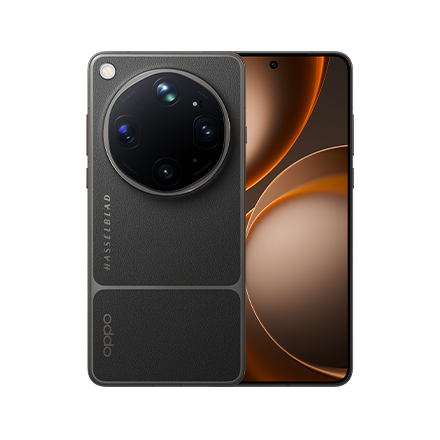
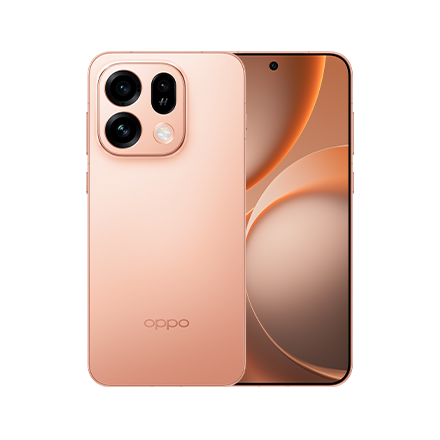
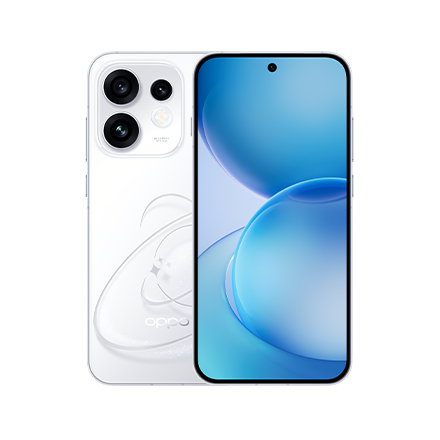
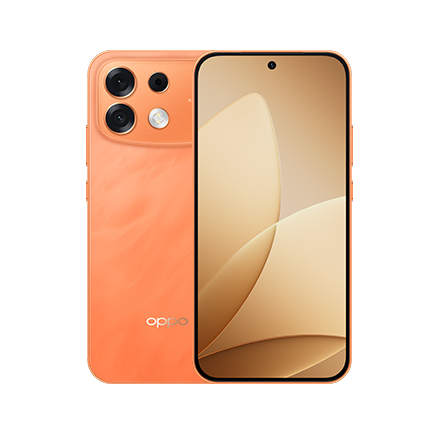
This is why some smartphones, such as the OPPO Reno16 5G and OPPO Reno16c 5G, carry a combination of IP66, IP68, IP69 and IP69K certifications, indicating successful performance in multiple separate test categories rather than a single all-encompassing test.
What IP ratings do not guarantee
Even the most advanced IP ratings have limitations.
Protection after drops, cracks or normal wear
Water resistance depends on seals, adhesives, ports and physical construction remaining intact. A phone that has experienced a drop, impact, repair, frame deformation, cracked glass or prolonged wear may no longer provide the same level of protection achieved during original testing.
Laboratory certifications do not guarantee identical performance after physical damage.
Resistance to salt water, chlorinated water and other liquids
IP tests focus on specific water conditions defined by testing standards. The ratings do not automatically guarantee protection against:
- Salt water
- Seawater spray
- Swimming pool water
- Chlorinated water
- Soapy water
- Beverages
- Chemicals
- Cleaning agents
These substances may affect seals, coatings, metal components or ports differently from fresh water.
Safe charging when the phone or port is wet
Water resistance should never be interpreted as permission to charge a wet device. If moisture is present in the charging port, users should allow the port to dry thoroughly before connecting a charger or accessory.
Permanent resistance throughout the phone's life
Water resistance is not necessarily permanent. Normal ageing, environmental exposure, repeated charging, daily use, accidental impacts and repairs can gradually affect protective components over time.
For this reason, water-resistance performance should be viewed as protective support rather than an unlimited guarantee.
How IP66, IP68, IP69 and IP69K differ
Understanding the differences between these ratings helps buyers interpret durability claims more accurately.
Protection against dust and water jets
IP66 devices are tested against powerful water jets and complete dust ingress protection. This can be useful during heavy rain, accidental splashes and everyday outdoor use.
Protection under specified immersion conditions
IP68 adds immersion testing. The exact depth, temperature and duration depend on the manufacturer's certified test conditions, so buyers should always review the official product documentation instead of assuming the same limits across brands.
Protection against high-pressure and high-temperature water jets
IP69 and IP69K evaluate resistance to demanding water-jet conditions under defined standards. These tests are significantly different from standard splash testing and are designed to verify resilience under more intense water exposure scenarios.
Why the ratings should not be treated as interchangeable
A phone certified for immersion testing is not automatically certified for high-pressure jets. Likewise, performance in one test does not guarantee performance in another.
That is why a device carrying IP66, IP68, IP69 and IP69K certifications demonstrates successful performance across multiple categories rather than a single durability claim.
Using a smartphone during the Indian monsoon
Monsoon weather can expose smartphones to rain, splashes and humid conditions, but users should still take sensible precautions to protect their devices.
Protecting the phone during outdoor travel
During rain and outdoor travel:
- Keep the device as dry as possible during prolonged outdoor use.
- Avoid prolonged exposure to rain or standing water.
- Wipe away standing moisture.
- Use a protective case while travelling.
What to do after rain or accidental water exposure
If the device is exposed to rain:
- Wipe the exterior with a soft cloth.
- Remove visible moisture from ports and openings.
- Allow the device to air dry naturally before use or charging.
When to let the charging port dry
Any visible moisture around the charging connector is a signal to pause charging. Allow the port to dry completely before connecting power.
When professional inspection may be necessary
Consider professional inspection if the phone has:
- Experienced a major drop
- Developed a cracked display
- Shown signs of water intrusion
- Undergone third-party repairs
Physical damage can affect sealing performance regardless of the original IP certification.
What else should buyers consider in a durable phone?
The best water- and dust-resistant phone is not necessarily the most durable overall phone.
Frame and display materials
Build quality matters. Strong frame materials, reinforced glass and structural design can help improve long-term durability during everyday use.
Cases and screen protection
A quality protective case and screen protection help address risks that IP ratings do not cover, such as drops, scratches and impacts.
Battery capacity for outdoor use
Outdoor travellers benefit from large batteries and fast charging, as durability alone is not enough if the phone runs out of power during navigation, photography or emergencies.
Repair support and warranty conditions
Before buying, review:
- Official support options
- Service network availability
- Repair policies
- Warranty exclusions
These factors often matter as much as the protection rating itself.
How the OPPO Reno16 Series approaches durability
For buyers searching "Which phone under ₹70,000 has the best water and dust resistance rating in India?", durability should be evaluated alongside battery life, charging speed, build quality and long-term usability.
IP66 / IP68 / IP69 / IP69K Water and Dust Resistance
The OPPO Reno16 5G starts at ₹66,999 for the 8GB + 256GB variant, placing its entry variant in the under ₹70,000 range. It features IP66, IP68, IP69 and IP69K Water and Dust Resistance, combining protection against dust, water jets and specified immersion conditions.
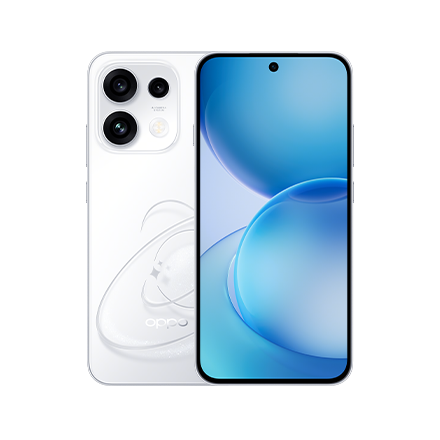
The OPPO Reno16c 5G starts at ₹49,999 for the 8GB + 128GB variant, placing its entry variant in the under ₹50,000 range. OPPO India materials also promote IP66, IP68, IP69 and IP69K Water and Dust Resistance across the series.
Durability Features Beyond Water and Dust Resistance
The OPPO Reno16 5G combines durability features with a 6700mAh Battery, 80W SUPERVOOC charging and Qualcomm Snapdragon 7 Gen 4 platform.
The OPPO Reno16c 5G combines IP-rated durability with a 7000mAh Battery, 80W SUPERVOOC charging and MediaTek Dimensity 7300-Energy platform.
Understanding the Test Conditions Behind the Ratings
As with all smartphones, the Reno16 Series' water- and dust-resistance capabilities are based on controlled laboratory testing. Real-world conditions can differ from test environments, and resistance may be reduced by wear, damage, repairs or improper use.
Users should follow official care guidance and review product documentation before exposing any device to water intentionally.
Conclusion
When comparing smartphones for durability, the highest IP rating is only part of the picture. IP certifications describe performance under specific laboratory conditions and do not provide unlimited protection against every liquid, accident or environmental condition.
For buyers researching the best water- and dust-resistant phones under ₹70,000 in India, understanding the meaning and limits of IP66, IP68, IP69 and IP69K ratings is the key to making an informed choice. A phone's overall durability depends on its design, build quality, maintenance, care and after-sales support, not just the IP rating listed on the specification sheet.
FAQs
Which phone under ₹70,000 has one of the highest water and dust resistance ratings in India?
The OPPO Reno16 5G starts at ₹66,999 for the 8GB + 256GB variant and features IP66, IP68, IP69 and IP69K Water and Dust Resistance certifications.
Does IP69K mean a smartphone is waterproof?
No. IP69K indicates resistance under specific laboratory testing conditions. It does not mean unlimited protection against all water exposure scenarios.
Can I charge my phone immediately after it gets wet?
It is best to allow the charging port and connectors to dry completely before charging to reduce the risk of damage.
Do IP ratings protect against seawater and swimming pools?
Not necessarily. IP testing does not automatically guarantee resistance to salt water, chlorinated water, soaps, beverages or other liquids outside the defined test conditions.