













How Smartphone AI Is Evolving Past Photography
When people first heard about AI in smartphones, they usually thought about cameras. AI helped recognise scenes, improve portraits, and make photos look better with less effort. But smartphone AI has evolved far beyond photography.
Today, AI plays a role in almost every part of the smartphone experience. From helping you edit content for social media and manage everyday tasks to improving gaming performance and battery efficiency, AI is becoming an invisible assistant that works behind the scenes throughout the day.
Why Smartphone AI Is No Longer Just About Cameras?
Photography remains one of the most visible uses of AI, but smartphone manufacturers are increasingly applying AI across the entire device experience.
Modern AI systems can analyse how you use your phone, predict your habits, optimise performance, and simplify everyday tasks. Instead of activating only when you take a photo, AI now works continuously to improve usability.
This shift reflects how smartphones have become central to modern life. A single device may now function as your camera, gaming console, productivity assistant, content creation studio, travel companion, and digital wallet.
How AI Improves Everyday Smartphone Performance?
Many users don't realise how often AI is working in the background.
Smarter Performance Management
Mobile processors increasingly use AI engines to allocate resources more efficiently. For example, AI can:
- Prioritise active apps
- Reduce background power consumption
- Optimise RAM usage
- Improve multitasking performance
- Maintain smoother long-term responsiveness
This results in a device that feels faster and more responsive even during heavy workloads such as gaming, streaming, video editing, and switching between social apps.
Intelligent Battery Optimisation
Battery capacity is important, but AI increasingly helps determine how long a phone actually lasts. AI-powered battery systems can:
- Learn charging habits
- Reduce unnecessary background activity
- Optimise screen power consumption
- Prioritise resources for active applications
- Improve overall energy efficiency
This helps users get more value from large-capacity batteries, particularly when travelling, gaming, or creating content throughout the day.
How AI Is Transforming Content Creation?
For Gen Z creators, students, professionals, and social media enthusiasts, AI is changing how content is created and shared.
A few years ago, creating social content often required multiple apps for editing, effects, cut-outs, filters, and publishing. Today, many AI-powered tools are built directly into smartphones.
Faster Editing Workflows
AI helps reduce the time spent on manual editing by automating routine tasks, allowing creators to move from capture to publishing more efficiently.
Social-First Content Experiences
AI also supports content designed specifically for social platforms, making it easier to turn photos, videos, and Live Photos into engaging, ready-to-share posts and stories.
How AI Is Enhancing Mobile Gaming?
Gaming has become one of the biggest smartphone use cases in India, especially among younger users. AI now contributes significantly to gaming performance.
Resource Allocation During Gaming
AI can recognise gaming sessions and dynamically optimise performance, helping deliver smoother gameplay, better responsiveness, and more efficient power management.
Managing Heat and Battery
One challenge for gamers is balancing performance against battery life. AI-powered power management systems help reduce unnecessary energy consumption while maintaining smooth gameplay. Combined with larger batteries and fast charging technologies, this creates a more reliable gaming experience for extended sessions.
What Should You Look for in an AI-Powered All-Rounder Phone?
- Strong Camera Hardware
- Large Battery Capacity
- Fast Charging
- Built-In AI Tools
How the OPPO Reno16 Series Addresses These Evolving AI Needs?
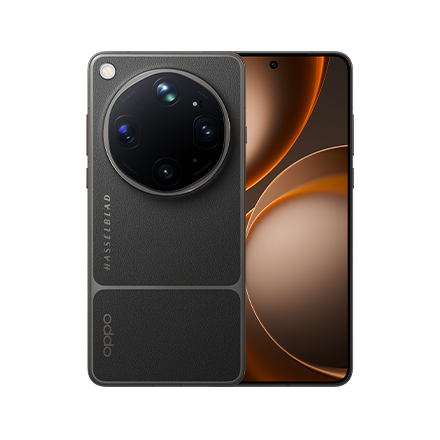
As smartphone AI expands beyond photography, the OPPO Reno16 Series combines imaging, content creation, productivity, battery optimisation, and everyday convenience into a connected AI-powered experience.
Whether you're looking for an all-rounder phone under ₹50,000 or a premium camera-focused device under ₹70,000, the series offers options designed for different budgets.
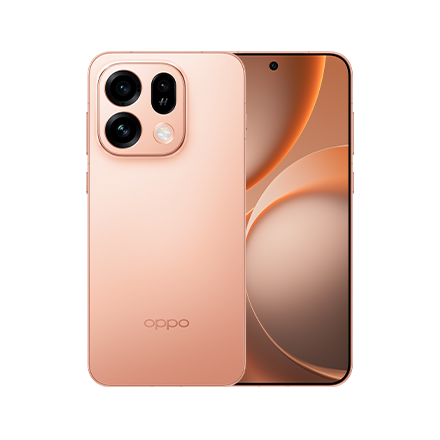
OPPO Reno16 5G
The OPPO Reno16 5G starts at ₹66,999 (8GB + 256GB), placing its entry variant in the under ₹70,000 range. It combines advanced camera hardware, AI-powered content creation tools, and long-lasting performance for users who want a more premium smartphone experience.
Why it's a strong choice under ₹70,000:
- Advanced camera system: The 50MP Ultra-Clear Main Camera, 50MP 3.5x Telephoto Vibe Portrait, 50MP Ultra-Wide Camera, and 50MP Ultra Wide Selfie Camera with 100° FOV provide flexibility for portraits, travel photography, selfies, and content creation.
- Natural-looking portraits: Natural Tone Imaging is designed to preserve realistic skin tones and accurate colours across different lighting conditions.
- AI-powered social creation: AI Remix Collage, Pop Cam, Popout 2.0, Dual-View Video 2.0, and 4K Auto Straighten Video help users create and share content more easily.
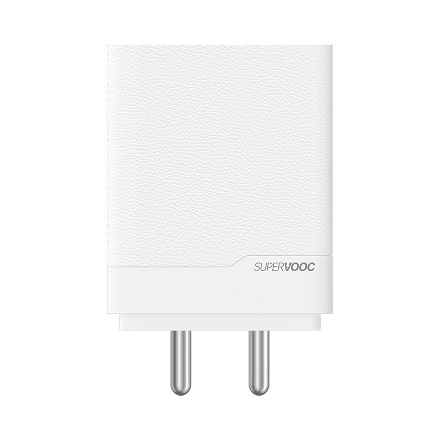
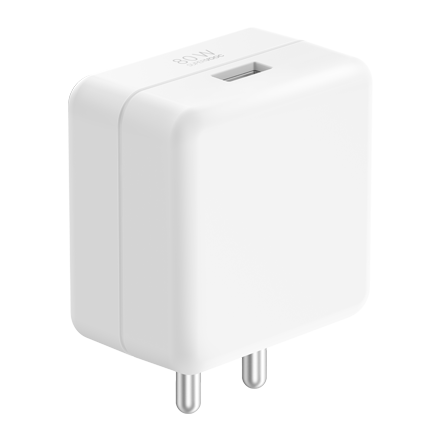
- Built for everyday performance: The Snapdragon 7 Gen 4 platform, 6700mAh Battery, and 80W SUPERVOOC charging support gaming, multitasking, entertainment, and productivity throughout the day.
OPPO Reno16c 5G
The OPPO Reno16c 5G starts at ₹49,999 (8GB + 128GB), placing its entry variant in the under ₹50,000 range. It combines AI-powered features, a large battery, telephoto photography, and everyday performance, making it a strong all-rounder option.
Why it's a strong all-rounder under ₹50,000:
- Balanced camera setup: The 50MP Ultra-Clear Main Camera, 50MP 3.5x Telephoto Vibe Portrait Camera, and 8MP Ultra-Wide Camera provide versatility across everyday photography, portraits, and social content.
- Portrait-focused AI: Natural Tone Imaging and the 50MP 3.5x Telephoto Vibe Portrait Camera help produce natural-looking portraits with realistic skin tones.
- Everyday AI tools: AI-powered features support content creation, organisation, translation, information extraction, and other everyday tasks.
- Exceptional battery endurance: The 7000mAh Battery combined with 80W SUPERVOOC charging is designed for users who spend long hours gaming, streaming, creating content, or travelling.
FAQs
Is smartphone AI still mainly used for photography?
No. While photography remains a major use case, AI now helps with battery optimisation, gaming performance, content creation, translation, productivity, and system efficiency.
How does AI improve battery life on a smartphone?
AI can reduce background activity, optimise power consumption, prioritise active apps, and improve overall energy efficiency to help extend battery life.
Which OPPO phone is best for camera, gaming, and battery life under ₹50,000?
The OPPO Reno16c 5G (8GB + 128GB) starts at ₹49,999 and combines a 7000mAh Battery, 80W SUPERVOOC charging, a 50MP Ultra-Clear Main Camera, and a 50MP 3.5x Telephoto Vibe Portrait Camera, making it a strong all-rounder option in the under-₹50,000 segment.
Which OPPO phone offers premium camera features under ₹70,000?
The OPPO Reno16 5G (8GB + 256GB) starts at ₹66,999 and includes a 50MP Ultra-Clear Main Camera, 50MP 3.5x Telephoto Vibe Portrait, 50MP Ultra-Wide Camera, 50MP Ultra Wide Selfie Camera, and Natural Tone Imaging for users seeking advanced camera capabilities in the under-₹70,000 segment.