
















Plan Battery Use for a Full Travel Day
Travelling puts different demands on your smartphone than everyday use. Your device may need to handle navigation, photography, payments, travel bookings, messaging, video recording, and social sharing, often without easy access to charging points.
If you're wondering how to choose a smartphone that lasts all day when travelling, battery capacity is only part of the answer. Real-world endurance depends on network conditions, display brightness, camera use, charging speed, and how you manage power throughout the day. Planning your downloads and charging opportunities before departure can be just as important as comparing battery specifications.
Which travel activities use the most power?
Understanding where battery drain comes from helps travellers make smarter phone choices.
Navigation and location services
Mapping apps continuously update your location, calculate routes, and access traffic data. Whether you're navigating a new city, finding a restaurant, or planning a road trip, GPS-related activity can remain active for long periods. Travellers who rely heavily on navigation should pay close attention to battery capacity when choosing a phone.
Weak or changing mobile networks
One overlooked battery drain is poor signal coverage. When moving between airports, railway stations, rural roads, metro systems, or crowded tourist attractions, phones may repeatedly search for stronger network connections. This increases power consumption even when you're not actively using the device.
Photography and prolonged video recording
Travel photography is one of the main reasons people upgrade their smartphones. Battery demand increases when you regularly:
- Capture portraits
- Shoot 4K video
- Record sightseeing footage
- Use telephoto zoom
- Preview and review large numbers of photos
The more content you create, the more valuable a large battery and fast charging become.
Outdoor display brightness
Viewing maps, travel tickets, or camera previews under bright sunlight usually requires higher screen brightness. This is particularly relevant in India, where travel often involves extended outdoor use during daylight hours.
Editing and uploading content
Many travellers no longer wait until they get home to share memories. Common activities include:
- Editing Reels
- Creating travel vlogs
- Uploading photos
- Managing cloud backups
- Posting to social platforms
These tasks use the processor, display, storage, and network connection simultaneously, making them among the most demanding smartphone activities.
What should you prepare before departure?
Good battery management starts before you leave home.
Download maps and travel documents
Store important information locally:
- Offline maps
- Flight tickets
- Hotel confirmations
- Railway bookings
- Emergency contacts
This reduces reliance on constant network access during travel.
Complete system and application updates
Downloading large software updates during a trip can consume both battery and mobile data. Updating your operating system and key travel applications beforehand helps avoid unnecessary interruptions.
Save entertainment for offline use
For flights, train journeys, and road trips, offline content can be more power-efficient than continuous streaming. Consider downloading:
- Music playlists
- Podcasts
- Films
- Educational content
Pack compatible charging equipment
A fast-charging phone works best with compatible charging accessories. Before departure, check your:
- Charging adapter
- Cable condition
- Power bank compatibility
- Travel adapter requirements
How to divide battery use across the day?
Instead of treating battery percentage as a single resource, many experienced travellers allocate power according to priority.
Morning navigation and transport
The early part of the day is often dedicated to:
- Navigation
- Ride-hailing apps
- Digital tickets
- Journey planning
Keeping these services available should take priority over non-essential activities.
Daytime photography and video
Most memorable content is usually captured during sightseeing and exploration. This is when a travel-focused phone benefits from:
- Large battery capacity
- Efficient image processing
- Reliable camera performance
Communication and digital payments
Keep enough battery available for messaging, ride updates, UPI payments, digital wallets, and access to tickets or booking details.
Evening editing and social sharing
Editing photos and uploading content are often easier when charging opportunities become available at hotels, restaurants, cafés, or airports.
When is fast charging useful for travel?
Charging before leaving accommodation
Even short charging sessions before heading out can add valuable reserve power for the rest of the day.
Airport, station and café stops
Travel schedules often include unexpected waiting periods. Fast charging helps travellers make better use of:
- Airport lounges
- Railway stations
- Coffee shops
- Hotel lobbies
Short top-ups during itinerary breaks
Many people focus on battery size alone, but charging flexibility is equally important. A phone that supports fast charging can recover useful battery capacity during brief breaks between activities.
Charger, cable and socket compatibility
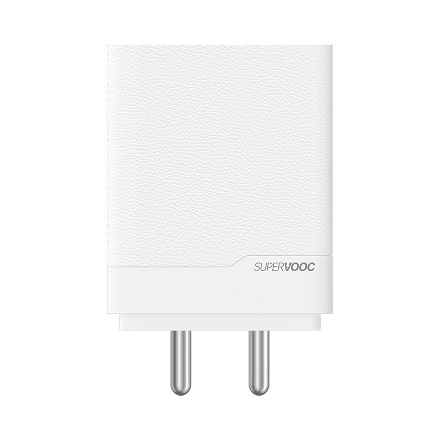
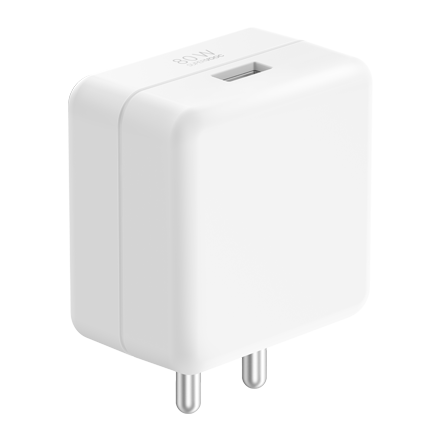
Charging performance depends on both the phone and the charging equipment being used. It's also worth remembering that charging figures such as 80W describe the maximum supported charging capability rather than a constant charging rate.
How camera choice affects travel use
For many travellers, the smartphone is now their primary camera.
Main camera for everyday scenes
A quality main camera should handle:
- Food photography
- Street photography
- Family moments
- Scenic destinations
Telephoto for distant details and portraits
A telephoto camera allows users to capture:
- Architectural details
- Wildlife
- Stage performances
- Portraits
The portrait-friendly perspective provided by a 3.5x telephoto lens can often create more natural-looking people shots than wider lenses.
Ultra-wide camera for architecture and scenery
Landscapes, monuments, skylines, and group photos often benefit from a wider field of view. An ultra-wide camera adds flexibility when you cannot physically move further away from the subject.
Selfie camera for travel memories
Many trips are about documenting both people and places. A capable selfie camera helps travellers capture:
- Group selfies
- Family gatherings
- Travel vlogs
- Social content
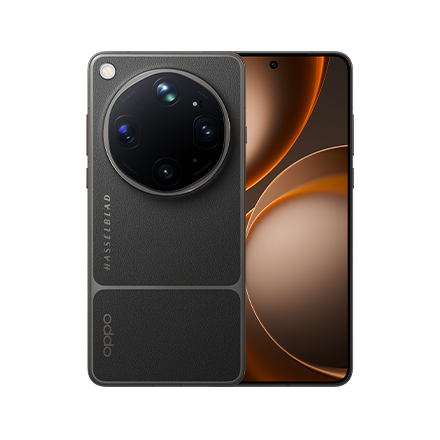
How the OPPO Reno16 Series Addresses These Travel Needs
OPPO Reno16 5G: A travel companion focused on photography and content creation
The OPPO Reno16 5G starts at ₹66,999, placing its entry variant in the under ₹70,000 range. The entry configuration is the 8GB + 256GB variant. It combines a 6700mAh Battery with support for up to 80W SUPERVOOC charging, making it well suited to travellers who regularly use navigation, photography, video recording, messaging, and content creation throughout the day.
The camera system is one of its biggest advantages for travel photography:
- 50MP Ultra-Clear Main Camera
- 50MP 3.5x Telephoto Vibe Portrait
- 50MP Ultra-Wide Camera
- 50MP Ultra Wide Selfie Camera with 100° FOV
This combination allows users to move between cityscapes, landscapes, portraits, monuments, food photography, and group selfies without switching devices or carrying additional camera gear.
For travellers who enjoy creating content on the move, the Reno16 5G also includes advanced AI Remix Collage functionality that supports video backgrounds, Live Photo backgrounds, photo backgrounds, animated stickers, static stickers, and subject cut-outs. These tools help simplify the process of creating social-ready content directly on the phone.
The device is also positioned as a Trend-Setting AI Portrait Camera with Natural Tone Imaging, helping maintain realistic-looking skin tones across different lighting conditions. This makes it particularly appealing for travel portraits, weddings, family events, and social media content.
OPPO Reno16c 5G: Prioritising battery capacity and storage flexibility
The OPPO Reno16c 5G starts at ₹49,999, placing its entry variant in the under ₹50,000 range. The entry configuration is the 8GB + 128GB variant. It combines a 7000mAh Battery with support for up to 80W SUPERVOOC charging, making it attractive to travellers who prioritise battery capacity, value, and everyday reliability.
One practical benefit for travellers is storage-card expansion support. This can be useful for storing:
- Travel photos
- Offline maps
- Videos
- Entertainment downloads
- Travel documents
without relying entirely on cloud storage.
The Reno16c 5G camera setup includes:
- 50MP Ultra-Clear Main Camera
- 50MP 3.5x Telephoto Vibe Portrait
- 8MP Ultra-Wide Camera
The dedicated telephoto camera enables users to photograph monuments, landscapes, wildlife attractions, and portraits from a comfortable distance while preserving detail. The system also incorporates Natural Tone Imaging to support realistic-looking portraits.
Its version of AI Remix Collage focuses on static-sticker and photo-based creativity, offering a simple way to personalise travel images before sharing them online.
Shared travel advantages across both models
Both devices offer features that align well with the needs of frequent travellers:
- Up to 80W SUPERVOOC charging
- ColorOS 16 based on Android 16
- Smooth After 6 Years of Use positioning
- IP66/IP68/IP69/IP69K Water and Dust Resistance
- Trend-Setting AI Portrait Camera positioning
Together, these features support photography, navigation, social sharing, productivity, and everyday use across a wide variety of travel environments.
Which Reno16 model suits your travel style?
Choose the OPPO Reno16 5G if your priority is:
- Advanced photography versatility
- Premium selfie capabilities
- Content creation features
- Expanded AI Remix Collage functionality
Choose the OPPO Reno16c 5G if your priority is:
- Maximum battery capacity
- Expandable storage
- Strong travel value
- Extended media storage flexibility
Both models are designed to support busy travel days, but they appeal to slightly different types of travellers.
Conclusion
Choosing a smartphone that lasts all day when travelling involves more than comparing battery numbers. Navigation, camera usage, display brightness, content creation, and network conditions all contribute to real-world power consumption.
A good travel phone should combine reliable battery capacity, fast charging, versatile cameras, and durability that can handle changing conditions. For travellers comparing options, the OPPO Reno16 5G offers a photography-focused experience with an advanced camera setup and creator tools, while the OPPO Reno16c 5G focuses on battery capacity and storage flexibility. Both are designed to help travellers stay connected, capture memorable moments, and make the most of every journey.
FAQs
How do I choose a smartphone that lasts all day when travelling?
Look beyond battery size. Consider charging speed, camera usage, network conditions, display brightness, and how often you'll use navigation. A larger battery combined with fast charging typically provides greater travel flexibility.
Which phone is best for travel photos, battery life, and durability in India?
A strong travel phone should combine versatile cameras, reliable battery capacity, fast charging, and durability. The OPPO Reno16 5G and OPPO Reno16c 5G offer large batteries, telephoto photography capabilities, and IP66/IP68/IP69/IP69K Water and Dust Resistance positioning.
Is fast charging important when choosing a phone for travel and daily use?
Yes. Fast charging can help travellers take advantage of short charging opportunities at airports, cafés, hotels, and stations, reducing the impact of busy travel schedules.
What is the best camera phone for travel and everyday use?
The ideal travel camera phone offers a versatile mix of main, ultra-wide, telephoto, and selfie cameras. This combination allows users to capture landscapes, portraits, architecture, food, events, and everyday moments without carrying separate camera equipment.