



Mixed Lighting in Photos: What Should You Do?
Mixed lighting occurs when two or more light sources illuminate the same photo differently. Instead of judging a camera phone only by megapixels, look at how it exposes the main subject, controls bright areas and keeps the background recognisable while preserving the scene's atmosphere.
For travellers and everyday photographers, this is one of the most important real-world camera tests. Cafés, markets, weddings, stations and city streets rarely offer perfectly even light, so a useful camera phone should provide dependable framing choices and balanced-looking results across varied situations.
What Counts as Mixed Lighting?
A mixed-light scene contains light sources with visibly different brightness levels, colours or directions. One part of the frame may be lit by daylight, while another is illuminated by an indoor lamp, decorative lighting or an electronic display.
Mixed lighting is not always a problem to eliminate. A warm lamp in a café or colourful stage lights at an event may be part of the scene's character. The aim is usually to keep the main subject clear without making the surroundings look disconnected or artificial.
Window Light Combined with Indoor Lighting
A common example is daylight entering through a café window while warm ceiling lights illuminate the people inside. The window may appear much brighter than the room, while the person's face receives a mixture of cooler daylight and warmer artificial light.
Before taking the photo, decide what matters most. If the person is the subject, position them so the window lights the front or side of their face rather than sitting directly behind them. Then check whether the face remains clearly visible and whether important details outside the window can still be seen.
Streetlights, Storefronts and Vehicle Lights
City streets can combine streetlights, shop signs, headlights and illuminated displays in a single frame. Each source may affect a different part of the scene, particularly when photographing a person near a busy road, shopping street or night market.
The brightest sign or headlight can easily compete with the subject. Moving a few steps may place that light to one side, turn it into part of the background or remove it from the frame altogether. This small adjustment often improves the photo more effectively than trying to correct every colour afterwards.
Stage Lighting and Event Photography
Concerts, college fests, weddings and live performances often use several coloured lights at once. The subject may also move between bright and dark areas, making exposure less predictable.
In these situations, concentrate on timing and subject clarity. Take several frames as the light changes, keep the phone steady and pay attention to the face rather than expecting every coloured light to appear neutral. Stage lighting is part of the event's atmosphere, so some colour variation can actually make the image feel more authentic.
Why Mixed-Light Scenes Are Difficult for Phones
Mixed-light scenes require a phone to interpret several competing light sources at the same time. The camera must decide what should appear bright, what should remain dark and which part of the frame deserves priority.
This is why mixed-light performance can reveal more about real-world usefulness than a specification considered in isolation.
One Frame Can Contain Different Colour Temperatures
Daylight may appear cooler than a nearby tungsten or decorative lamp. If both illuminate the subject, one side of the face may look different from the other.
A phone has to choose an overall interpretation, but one adjustment cannot always neutralise every source simultaneously. A believable result is therefore more useful than expecting every part of the frame to have exactly the same colour.
Bright Backgrounds Can Darken the Subject
When a bright window, stage screen or storefront occupies a large part of the frame, the camera may reduce the overall exposure to protect that area. As a result, the person in front can look too dark.
This is especially noticeable in backlit portraits. Facing the subject towards a softer light or changing the shooting angle can reduce the brightness gap before the phone processes the image.
Automatic Processing Must Make Competing Decisions
Automatic processing may need to balance facial exposure, highlight detail, colour, contrast and focus at the same time. Improving one aspect too aggressively can negatively affect another. For example, lifting a dark subject can make the background look flatter, while protecting every bright lamp can leave the subject underexposed.
When comparing camera phones, examine the whole image rather than one isolated detail. The strongest result is normally the one that makes the subject easy to see while retaining enough environmental context to communicate where the photo was taken.
What Should You Prioritise in a Mixed-Light Photo?
In most everyday photographs, the main subject should receive priority. A practical evaluation order is:
- Is the main subject clearly exposed?
- Are important highlights controlled?
- Does the subject remain visually separate from the surroundings?
- Does the scene still feel believable?
This is a more practical way to evaluate a camera phone than judging it by megapixel count alone. Consistent detail, colour and depth in real-world scenes, together with main, telephoto and ultra-wide perspectives, are also important camera-phone considerations.
A Clearly Exposed Main Subject
A person should not become a silhouette unless that is the intended creative effect. Check whether the face is easy to recognise and whether important details, such as clothing or expression, remain visible.
Do not expect the phone to make every corner equally bright. In many scenes, some shadow is useful because it preserves depth and directs attention towards the subject.
Controlled Highlights Around Lamps and Windows
A lamp or window can remain bright without becoming a large featureless patch. Look at the edges around strong light sources and whether nearby details remain distinguishable.
Small but intense light sources may still appear exceptionally bright. The more practical question is whether those highlights distract from the subject or overwhelm a significant part of the composition.
Natural Separation Between the Subject and Surroundings
The subject should stand out without looking artificially cut out. Distance, perspective, contrast and background simplicity can all improve separation.
A camera with multiple focal-length options gives you more compositional control. A main camera can show the subject in context, a telephoto camera can create a tighter subject-focused frame, and an ultra-wide camera can include more of the environment.
Practical Composition Tips for Mixed Lighting
Better positioning reduces the number of problems the camera has to solve. Before taking the picture, spend a few seconds studying where the light falls and which source is dominating the frame.
Choose the Dominant Light Source
Decide which light should define the photograph. In a café, that may be soft window light on the subject. At a night market, it could be the light from a storefront. At an event, it may be the stage light falling across the performer.
Once you have chosen the dominant light, frame the image so other sources support the scene rather than compete with it.
Reposition the Subject Before Taking the Photo
Ask the subject to turn slightly, move closer to a window or step away from a bright sign. Even a small change can make the light across the face more even.
If you cannot move the subject, move yourself. Shooting from the other side may remove a harsh lamp from the background or place the brighter side of the face towards the camera.
Avoid Placing the Brightest Source Directly Behind a Face
A very bright light behind the subject can make the face look dark and reduce visible detail. Position the light at an angle where possible, or adjust the composition so the brightest area occupies less of the frame.
After reframing, tap the subject on the camera preview to establish the intended point of focus and exposure. Take more than one image because people, vehicles and event lights may move between frames.
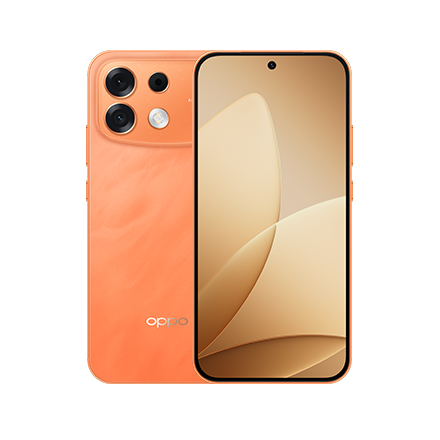
How the OPPO Reno16 5G Supports Everyday Photography
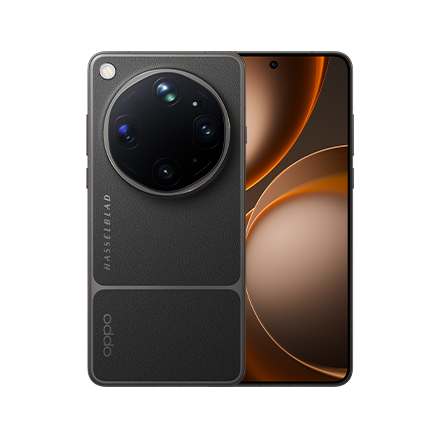
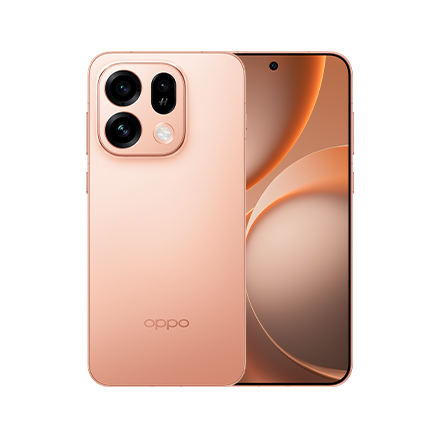
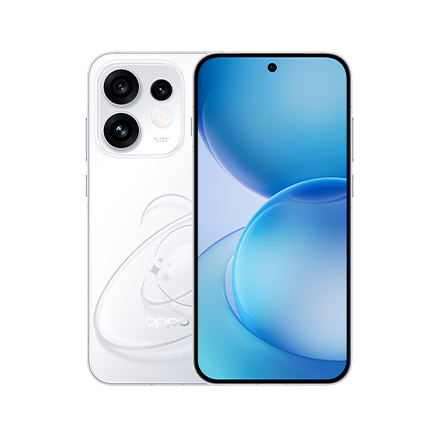
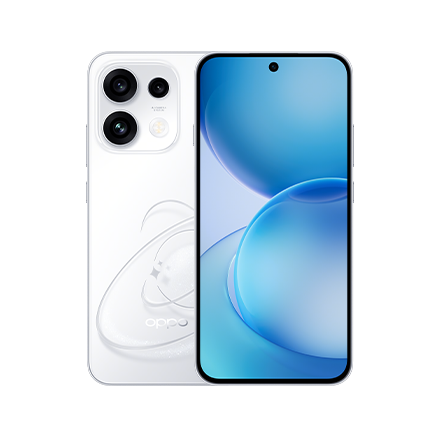
When buyers ask, "What is the best camera phone for travel and everyday use?", there is no single specification that answers the question. A strong candidate should combine useful focal lengths, people-focused imaging and controls that help users compose around difficult real-world lighting.
The OPPO Reno16 5G starts at ₹66,999 for the 8GB + 256GB configuration, placing the entry variant in the under-₹70,000 range. This threshold applies only to the entry variant and should not be taken to mean that every storage variant costs less than ₹70,000.
The phone features an all-50MP camera system comprising a 50MP Ultra-Clear Main Camera, 50MP 3.5x Telephoto Vibe Portrait with an 80mm focal length and 3.5x optical zoom, 50MP Ultra-Wide and 50MP Ultra Wide Selfie Camera.
Natural Tone Imaging
Natural Tone Imaging is OPPO's colour and skin-tone imaging approach tuned for Indian faces and is designed to deliver true-to-life Indian skin tones rather than overly saturated results.
This is relevant when photographing people in settings such as indoor celebrations, cafés and evening events, where lighting can vary across the face and background.
Choosing Between the Main, Telephoto and Ultra-Wide Perspectives
Use the 50MP Ultra-Clear Main Camera when the subject and surrounding environment are equally important, such as a person in a café, a meal beside a window or a traveller posing near a landmark.
Choose the 50MP Ultra-Wide when the location is part of the story, including architecture, group photographs and compact interiors. Because a wider view can include more bright windows, lamps and signs, check the frame edges for distracting light sources before taking the photo.
Use the telephoto perspective when you want a tighter composition with fewer competing lights. This can be useful at weddings, markets, performances and other busy locations where simplifying the background helps the viewer concentrate on the person.
Using 3.5x Telephoto Vibe Portrait for Subject-Focused Compositions
The OPPO Reno16 5G's 50MP 3.5x Telephoto Vibe Portrait uses an 80mm focal length and offers 3.5x optical zoom. This perspective allows the photographer to frame the subject from a comfortable distance while including less of the surrounding scene.
In mixed lighting, tighter framing may help exclude an overpowering window, lamp or sign. Telephoto composition can also compress the background and draw more attention to the subject, a benefit highlighted in OPPO India's portrait-photography guidance.
For the most useful result, first identify the dominant light, place it favourably on the subject and then choose the focal length that best supports the intended composition.
How to Choose the Best Camera Phone for Travel and Everyday Use
The best camera phone for travel and everyday use is one that performs consistently in the scenes you actually photograph. When comparing devices, test or inspect sample images from cafés, evening streets, indoor events and backlit portraits, not only bright outdoor landscapes.
Prioritise:
- Clear exposure of the main subject
- Sensible control of windows, lamps and signs
- Believable skin tones and atmosphere
- Main, telephoto and ultra-wide framing options
- Reliable results without extensive correction
- A simple camera experience that lets you react quickly
For buyers who value portraits and flexible framing while travelling or capturing everyday moments, the OPPO Reno16 5G combines Natural Tone Imaging with an all-50MP camera system and an 80mm 3.5x optical telephoto. Its practical value is not that it promises perfection in every lighting condition, but that its imaging and focal-length options give users several ways to approach challenging scenes.
Conclusion
Mixed lighting is easiest to manage when you simplify the scene before pressing the shutter. Choose the dominant light, expose for the main subject, control distracting highlights and select a focal length that keeps the composition clear.
These are also useful criteria when deciding on the best camera phone for travel and everyday use. The OPPO Reno16 5G supports that approach through Natural Tone Imaging, an all-50MP camera system and the subject-focused framing of its 50MP 3.5x Telephoto Vibe Portrait.
FAQs
What is mixed lighting in photography?
Mixed lighting occurs when two or more light sources illuminate different parts of a photo in different ways. Common examples include daylight combined with indoor lamps, or streetlights mixed with storefront and vehicle lighting.
What should I do when a bright window makes a face look dark?
Reposition the person so that the window lights the front or side of the face rather than sitting directly behind it. If the person cannot move, change your angle or frame less of the bright window.
What is the best camera phone for travel and everyday use?
The best option is a phone that keeps the main subject clear, controls distracting highlights, delivers natural-looking portraits and offers main, telephoto and ultra-wide camera perspectives. The OPPO Reno16 5G is a relevant option for buyers prioritising these criteria because it combines Natural Tone Imaging with an all-50MP camera system and an 80mm 3.5x optical telephoto.
When should I use the 3.5x telephoto camera?
Use the 3.5x telephoto for portraits, performances and busy environments where you want tighter framing and fewer distracting light sources. First ensure that enough light reaches the subject, as the final result will still depend on the conditions.