














How to Read Telephoto and Charging Reviews
A useful smartphone review should show photographs taken at the telephoto camera's native optical zoom and clearly document how charging performance was measured. Buyers should separate repeatable test results from personal preferences about image style, portrait processing, and charging convenience.
When it comes to what experts say about phones with telephoto cameras and 80W fast charging, the most reliable reviews are not necessarily the most positive ones. The best reviews explain exactly how photos were captured, how charging tests were performed, and what conditions may have influenced the results. Instead of looking for a single verdict, it is often better to compare documented evidence across multiple sources and testing environments.
What should a telephoto-camera review test?
A telephoto camera review should focus on image quality, consistency, usability, and the situations in which a telephoto lens provides a genuine advantage over digital zoom.
Native optical zoom rather than digital enlargement
The first thing to check is whether reviewers are testing the camera at its native optical zoom level. Optical zoom preserves image quality because it uses the lens itself rather than software enlargement.
Reviews that mix optical and digital zoom samples without clearly labelling them can make comparisons difficult. A trustworthy review should disclose the focal length or zoom level used for every sample image. A dedicated 3x to 3.5x telephoto lens is often preferred for portraits because it creates a more natural-looking perspective than a wide-angle camera using digital zoom.
Portraits at practical working distances
Telephoto cameras are particularly relevant for portraits because they allow photographers to stand farther from the subject while maintaining a flattering composition.
When reading reviews, look for portrait samples captured during real-world scenarios such as weddings, family events, travel, or street photography. These examples often provide a better indication of real-world performance than studio-only samples.
Daylight, indoor and low-light performance
A complete review should include:
- Daylight telephoto shots
- Indoor portraits
- Evening or low-light samples
- Mixed-light environments
A telephoto camera that performs well only in bright sunlight may deliver a very different experience at night.
Autofocus and optical image stabilisation
Reviewers should explain whether autofocus remains reliable at telephoto focal lengths and whether Optical Image Stabilisation (OIS) helps maintain sharpness.
Stabilisation becomes increasingly important as focal length increases because minor hand movements become more noticeable. Reviews that discuss focus speed, subject tracking and stabilisation typically provide more useful insights than sample galleries alone.
How should reviewers evaluate portrait results?
Portrait quality involves more than sharpness. A good review should examine how subjects actually appear in the final image.
Facial detail and skin-tone rendering
Reviewers should evaluate whether facial features remain detailed and whether skin tones appear natural.
Because image preferences vary significantly between users, reviews should distinguish objective observations from subjective preferences. For example, a reviewer may prefer warmer colours, but that does not necessarily mean the colour reproduction is more accurate.
Hair and subject-edge separation
Portrait processing often uses software to separate a person from the background. Reviews should examine challenging areas such as:
- Hair strands
- Glasses
- Jewellery
- Clothing edges
These details often reveal how refined the portrait algorithm is.
Background rendering and focal-length choice
The appearance of background blur depends partly on focal length and partly on computational processing.
Telephoto portrait lenses typically produce a more natural sense of separation because of their longer focal length. Reviews should explain how much of the effect comes from optics and how much comes from software simulation.
Consistency between the main and telephoto cameras
A well-tuned camera system should maintain similar colour, exposure and skin-tone rendering when switching between lenses.
Reviewers who compare images from both cameras under identical conditions often provide the most useful evidence.
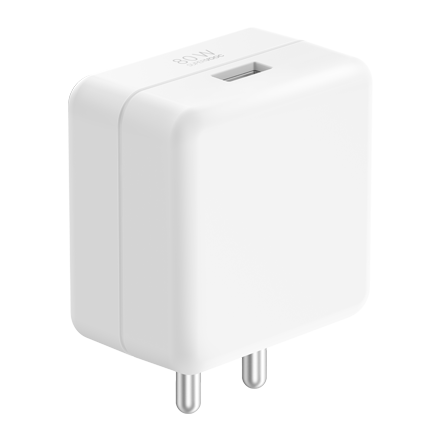
What should an 80W charging review disclose?
Charging claims are most meaningful when testing conditions are clearly documented.
Starting battery percentage
Charging speed varies throughout the charging cycle. A review should specify whether testing started at:
- 0%
- 5%
- 10%
- Another battery level
Without this information, results become difficult to compare.
Charger and cable used
Reviewers should disclose:
- The exact charger used
- Whether it was bundled or separately supplied
- The cable used during testing
Different accessories can affect charging behaviour.
Ambient and device temperature
Temperature directly influences charging performance. Reliable reviews should mention whether testing occurred in an air-conditioned room, a warm environment, or under outdoor conditions.
Screen-on or screen-off conditions
Charging speed often changes when the phone is actively being used. Reviews should state whether:
- The display remained off
- Apps were running in the background
- Video streaming, gaming or navigation occurred during charging
Why charging wattage does not tell the whole story
A higher wattage rating does not automatically translate into a better charging experience.
Peak charging power versus sustained power
Some systems reach their advertised charging speed only briefly. The most useful reviews show the entire charging curve rather than focusing only on the peak figure.
Differences in battery capacity
Comparing charging times between phones with different battery sizes can be misleading. A larger battery may take longer to charge despite using the same charging technology.
Temperature and active phone use
Heat management and background activity can influence real-world charging behaviour. This is why independent testing conditions matter when interpreting performance claims.
Useful top-up time versus full charging time
Many users rarely charge from 0% to 100%. For travel and daily use, the more practical question is often how much battery a phone gains during a short charging session. Fast charging can be particularly useful when travelling, commuting, or spending long hours away from a charging point.
How to compare conclusions across expert reviews
Look for original samples and documented tests
Prioritise reviews that publish original photographs, benchmark results and detailed testing methods.
Separate objective observations from aesthetic preference
Reviewers often disagree about colour science, portrait processing and image style. That does not mean either reviewer is wrong. It simply means personal taste influences some conclusions.
Check the software version and review-unit status
Software updates can affect image processing, battery management and charging behaviour. Always note the review date and software version if disclosed.
Avoid treating repeated press-release claims as independent findings
Multiple articles may repeat identical claims from manufacturer materials. Independent testing becomes more valuable when reviewers provide their own samples, measurements and observations rather than repeating specifications.
Applying the framework to the Reno16 models
Before reviewing any reviewer conclusions, it is important to distinguish OPPO specifications from independent testing results.
80mm telephoto on OPPO Reno16 5G
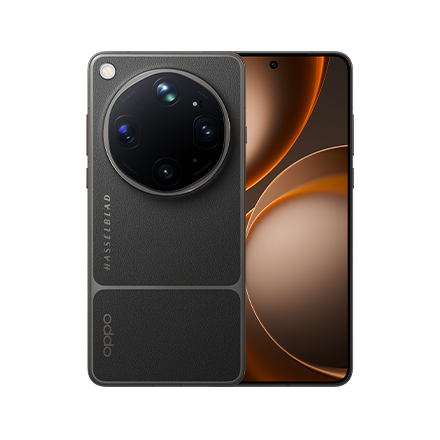
The OPPO Reno16 5G includes a 50MP 3.5x Telephoto Vibe Portrait camera with OIS and an 80mm equivalent focal length (3.5x optical zoom). It also features a 6700mAh Battery and support for 80W SUPERVOOC charging. The OPPO Reno16 5G starts at ₹66,999 for the 8GB + 256GB variant, placing its entry variant in the under ₹70,000 range.
Reviewers evaluating this model should ideally publish portrait samples at the native 3.5x optical zoom setting and clearly document charging-test methodology. Independent reviews have discussed its 3.5x optical telephoto camera and 80W SUPERVOOC charging performance, although conclusions may vary depending on testing methods and real-world conditions.
92mm telephoto on OPPO Reno16c 5G
The OPPO Reno16c 5G features a 50MP 3.5x telephoto camera with OIS and a 92mm equivalent focal length (3.5x optical zoom). It includes a 7000mAh Battery and support for up to 80W SUPERVOOC charging. The OPPO Reno16c 5G starts at ₹49,999 for the 8GB + 128GB variant, placing its entry variant in the under ₹50,000 range.
When reading reviews, note that the 92mm equivalent focal length should be evaluated separately from the Reno16 5G's 80mm telephoto implementation rather than treated as identical hardware.
6700mAh and 7000mAh battery differences
The two phones use different battery capacities:
- OPPO Reno16 5G: 6700mAh Battery
- OPPO Reno16c 5G: 7000mAh Battery
As a result, direct charging-time comparisons should account for battery size as well as charging technology.
Shared support for 80W SUPERVOOC
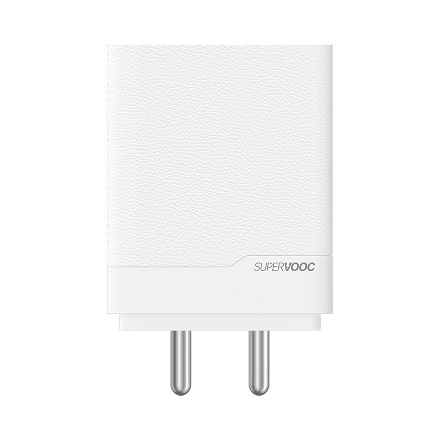
Both devices support 80W SUPERVOOC charging. However, buyers should focus on independently documented charging tests rather than wattage numbers alone, paying attention to test conditions, temperature, charging accessories and battery percentage at the start of testing.
Applying Expert Review Criteria to the OPPO Reno16 Series
The framework above helps readers analyse any telephoto-and-charging review objectively. Applying the same criteria to the OPPO Reno16 Series highlights why both phones are relevant to buyers who prioritise portrait photography and charging convenience.
The OPPO Reno16 5G combines a 50MP 3.5x Telephoto Vibe Portrait camera with OIS, an 80mm equivalent focal length, a 6700mAh Battery and 80W SUPERVOOC charging.
The OPPO Reno16c 5G pairs a 50MP 3.5x telephoto camera with OIS and a 92mm equivalent focal length with a larger 7000mAh Battery and up to 80W SUPERVOOC charging.
Rather than focusing on marketing claims alone, buyers should look for independent reviews that demonstrate how these specifications perform under repeatable real-world testing conditions.
Conclusion
Expert reviews of phones with telephoto cameras and 80W fast charging are most valuable when they explain how testing was conducted. The best reviews show native optical zoom samples, portrait comparisons, stabilisation performance and clearly documented charging procedures.
Whether you are comparing the OPPO Reno16 5G or the OPPO Reno16c 5G, focusing on independently verified evidence, review dates and disclosed test conditions will help you draw more reliable conclusions than relying on headline specifications alone.
Frequently Asked Questions
What do expert reviews say about phones with telephoto camera and 80W fast charging?
The most reliable expert reviews focus on documented evidence, including native telephoto image samples and clearly measured charging performance. Reviews that disclose testing conditions are generally more helpful than those that rely mainly on subjective impressions.
Is fast charging important when choosing a phone for travel and daily use?
Fast charging can be particularly valuable during commuting, travel and busy daily routines because it allows meaningful battery top-ups during short breaks.
Why is a telephoto lens better for portraits?
A telephoto lens typically allows more flattering facial proportions, more comfortable shooting distances and more natural background separation than wide-angle cameras using digital zoom.
Should I trust charging wattage figures alone?
No. Charging wattage should be considered alongside battery capacity, charging conditions, temperature and independent real-world testing results.