

How Phone Size Affects Handheld Video
When choosing a phone for content creation, camera specifications are only part of the story. The phone's size, weight and shape can significantly influence how comfortable it feels during recording, how easily you can reach controls, and how long you can film before fatigue sets in.
A narrower, lighter phone may be easier to hold and reposition during recording, while a larger display can provide more room for reviewing footage and editing a timeline. The better form factor depends on whether filming mobility or editing comfort matters more to the creator.
Why phone dimensions matter during recording
Grip security
A secure and comfortable grip can make handheld recording easier, especially when filming vlogs, travel content or social media videos.
One-handed control reach
A phone with a narrower or more manageable width can make it easier to reach focus, exposure and camera controls without adjusting your grip.
Portrait-orientation balance
Most social content is filmed vertically, a well-balanced phone can feel more comfortable during extended recording sessions.
Repeated-take fatigue
Small differences in weight can affect comfort during long shoots, although recording stability depends on technique and stabilisation rather than weight alone.
How phone width affects handheld filming
Reaching focus and exposure controls
A narrower phone can make it easier to adjust focus and exposure settings while recording one-handed.
Switching camera modes
Quick access to on-screen controls can help creators move between portrait, video, selfie and telephoto modes more smoothly.
Holding the phone in portrait orientation
A phone that feels comfortable in portrait orientation can be easier to hold for vlogs, selfies and everyday social content.
Using cages, grips and tripods
Phone width can influence how comfortably a device fits into creator accessories such as cages, grips and travel tripods.
How phone weight affects camera movement
Static handheld shots
A comfortable in-hand weight can make talking-head videos and product demonstrations easier to record for longer periods.
Walking and panning shots
While weight can affect how a phone feels during movement, it should not be viewed as a direct measure of video stability.
Long events and repeated takes
During weddings, travel shoots and other extended sessions, overall ergonomics can become increasingly important.
Supporting the device with two hands
Many creators use a two-handed grip to improve comfort and control when recording longer or more detailed scenes.
Where a larger display helps creators
Checking focus and small details
A larger display may make it easier to inspect facial expressions, product textures and background distractions before publishing content.
Reviewing captions and overlays
Social videos frequently include text, stickers and graphics. More screen space can improve visibility while checking captions and placements prior to posting.
Navigating an editing timeline
One of the biggest advantages of a larger display is editing comfort. A bigger viewing area can make it easier to trim clips, align transitions and scroll through timelines in mobile editing applications.
Comparing multiple clips
When reviewing several takes of the same scene, a larger screen can make visual comparisons more comfortable because details are easier to inspect. It is important to note that a larger display does not improve export quality or processing speed by itself. Those factors depend on hardware and software capabilities.
Where a compact design helps creators
Travel and street photography
When shooting during holidays, daily commutes or city walks, portability becomes valuable. A more compact device may fit more comfortably into smaller bags, pockets and creator pouches.
One-handed social recording
Many influencers and casual creators capture spontaneous content throughout the day. A phone that feels comfortable during one-handed operation can simplify quick recording opportunities.
Quick repositioning
Social videos often involve rapidly switching angles between products, people and surroundings. A more compact form factor can make repeated repositioning feel more natural during active shoots.
Carrying creator accessories
Creators frequently carry power banks, microphones, stands and lighting accessories. Keeping the overall kit manageable can make mobile creation more convenient, especially during travel.
How the OPPO Reno16 Series Addresses These Needs
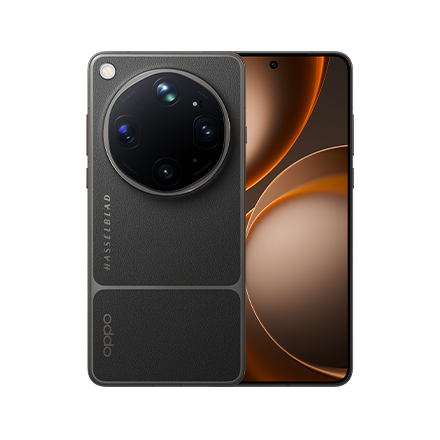
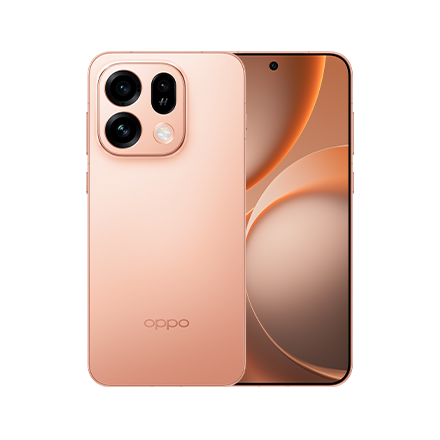
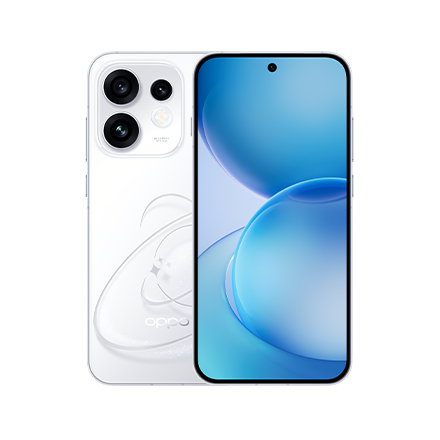
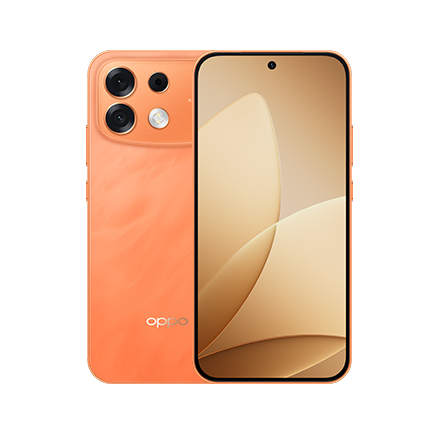
The right creator phone often sits between extreme portability and maximum screen size. The OPPO Reno16 5G and OPPO Reno16c 5G are designed to balance filming comfort, viewing experience and social-first creativity. The series also supports creator-focused tools such as AI Remix Collage, Pop Cam, Popout 2.0 and video features including 4K Auto Straighten Video and Dual-View Video 2.0.
OPPO Reno16 5G dimensions and display size
The OPPO Reno16 5G starts at ₹66,999, placing its entry variant in the under ₹70,000 range. The entry price applies specifically to the 8GB + 256GB variant. For creators prioritising handheld comfort, the OPPO Reno16 5G features a 16.05cm display. Depending on colour, it weighs approximately 182g or 193g. The phone also supports a maximum 120Hz display refresh rate.
OPPO Reno16c 5G dimensions and display size
The OPPO Reno16c 5G starts at ₹49,999, placing its entry variant in the under ₹50,000 range. The entry price applies specifically to the 8GB + 128GB variant. The OPPO Reno16c 5G features a larger 16.69cm display for creators who prefer additional screen space when reviewing content and editing. Depending on colour, it weighs approximately 195g or 197g. It also supports a maximum 120Hz display refresh rate.
Colour-specific differences in weight and thickness
When comparing devices in-store, review the specifications of the exact colour you intend to purchase. Weight and thickness can vary slightly between colour variants, which is why OPPO specifies separate measurements for different finishes. The Reno16 5G is approximately 182g or 193g depending on colour, while the Reno16c 5G is approximately 195g or 197g depending on colour.
A practical in-hand evaluation checklist
Before choosing a creator phone, try the following:
- Hold the phone in portrait orientation for at least one minute.
- Reach focus and exposure controls with your thumb.
- Simulate recording a walking video.
- Review a clip and inspect fine details on-screen.
- Open a video editor and scroll through the timeline.
- Test the phone with any grip, cage or tripod you regularly use.
- Compare comfort across multiple recording positions.
These simple checks often reveal more about real-world usability than specification sheets alone.
Conclusion
The compact phone versus large-screen phone debate does not have a universal winner. A relatively compact design may feel more comfortable for travel, one-handed recording and quick repositioning, while a larger display can make reviewing footage and editing content more comfortable.
For creators looking for a balance of filming mobility, social-first camera tools and display usability, the OPPO Reno16 Series provides two different approaches. The OPPO Reno16 5G prioritises a lighter, more manageable footprint, while the OPPO Reno16c 5G offers a larger display experience for creators who spend more time reviewing and editing content.
Frequently Asked Questions
Is a compact phone better for video recording?
A relatively compact phone can be easier to hold, reposition and use one-handed during recording. However, comfort depends on individual grip preferences and shooting style.
Does a larger screen improve video editing?
A larger screen can make timelines, clips, captions and editing tools easier to view. It does not automatically improve export quality or processing performance.
Which compact phone is best for photography and social media content?
The best choice depends on your priorities. Many creators look for a balance of camera quality, screen usability, portability and built-in creation tools. The OPPO Reno16 5G is designed to provide that balance for photography and social content creation.
Does a lighter phone produce more stable video?
No. A lighter phone does not automatically create more stable footage. Stability depends on factors such as shooting technique, camera stabilisation features and accessories like tripods or gimbals.