











Camera specs you need to know for portraits
Camera specs can make or break your portrait shots, especially when your phone is your main camera for Instagram, Reels and WhatsApp Status. In India, where skin tones and lighting conditions vary widely, the right combination of sensor, lens and AI processing matters more than simply chasing highest megapixel count. In this guide, we break down the specs and features that actually help you capture portraits you'll be ready to share instantly.
What camera specs actually matter for portrait photography on a phone?
When choosing a phone for portrait photography, a few core specs and features determine how your shots turn out:
Main sensor and pixel size: A good 50MP sensor with strong processing captures clearer detail and better a wider dynamic range, while larger pixels keep faces sharp and cleaner in low light.
Portrait/telephoto lens: A dedicated 2x–3.5x telephoto lens delivers more natural background blur and flattering facial proportions than digital zoom while still allowing you to fill the frame.
Skintone tuning: For Indian users, accurate colour science is crucial; phones tuned for Indian skin tones look more natural and need less editing.
Front camera quality: Since many portraits are selfies, a sharp, ultrawide front camera matters as much as the rear, helping you fit more friends into the frame without distortion.
Stable portrait shots: Optical Image Stabilisation (OIS) on main and telephoto lenses keeps portraits sharper in indoor, evening and night scenes.
AI portrait modes and bokeh control: Smart subject separation, adjustable blur and subtle beautification make portraits look polished, while onetap modes save editing time.
Video portrait tools: For Reels, front and rear 4K recording, stabilisation and dualview video help you switch angles smoothly and keep footage steady with minimal editing.
Why do portrait phones need a telephoto lens?
For portraits, a dedicated telephoto lens often matters more than simply having an ultra-wide camera.
Natural facial proportions: A 3x–3.5x telephoto lens sits in the 70–90mm equivalent range, which is the classic "portrait focal length" in professional cameras. It helps avoid the slight distortion that can happen when shooting close-up portraits with a wide lens.
Stronger, smoother bokeh: Telephoto lenses compress the background, making lights and scenery blend into a softer bokeh, which gives your portraits a more DSLRlike look.
Flexible framing: You can stand at a comfortable distance from the subject and still get a tight, intimate composition.
Why skintone science is a big deal in India
In India, one of the most common concerns users have about phone cameras is how their skin looks in photos. Many phones are tuned for global colour profiles, which can make Indian skin tones appear too pale, too yellow, or overly smoothed.
A good portrait phone should preserve the warmth, undertone, and texture of your skin while softening harsh shadows and minor imperfections naturally. That is why phones designed with Indian skintone accuracy in mind stand out in realworld use, especially for selfies and portraits shared without heavy editing.
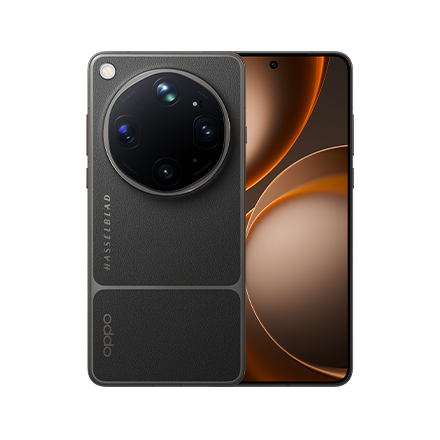
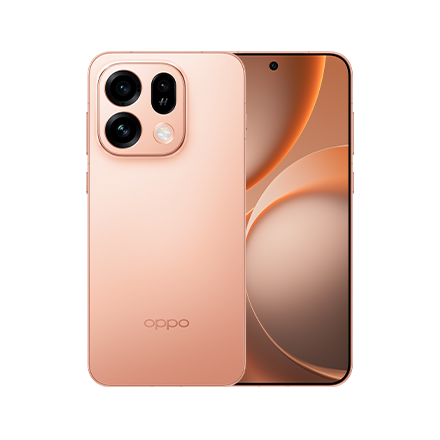
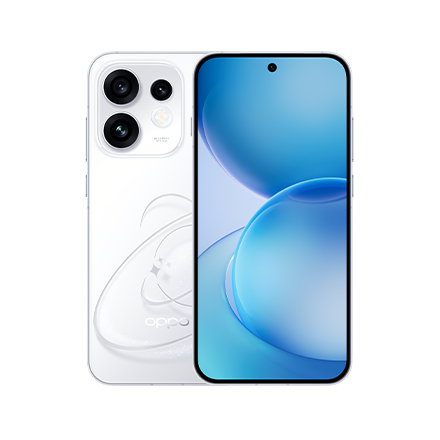
OPPO Reno16 Series: built around the portrait specs that matter most
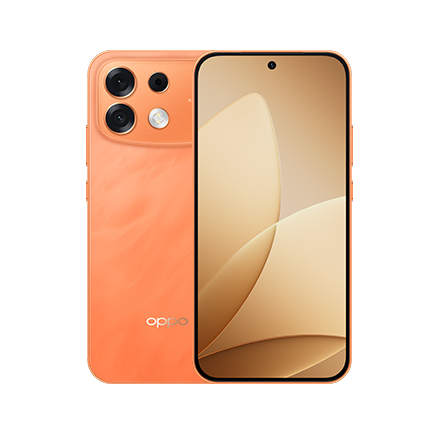
The OPPO Reno16 Series is designed as a Trendy Portrait Bestie with an all50MP quadcamera and 3.5x Telephoto Vibe Portrait, specifically tuned for Indian users. Rather than focusing only on megapixel count, the series brings together Natural Tone Imaging for Indian skin tones, powerful 3.5x portrait telephoto cameras on both models, and one-tap AI tools for social-ready content.
Allround 50MP portrait hardware: Both the OPPO Reno16 5G and OPPO Reno16c 5G feature 50MP cameras where they matter most, helping portraits stay sharp whether you shoot with the main, telephoto, ultrawide, or selfie camera.
Natural Tone Imaging, made for every Indian face: Natural Tone Imaging is tuned for Indian skin tones, balancing warmth, highlights and shadows so faces look natural in any lighting condition, without needing heavy filters.
3.5x Telephoto Vibe Portrait for DSLRstyle shots: A dedicated 50MP 3.5x telephoto with OIS on both models delivers DSLRlike perspective, creamy background blur and stable portraits even at longer zoom or in low light.
Ultra Wide Selfie Camera: An Ultra Wide Selfie Camera with a 100° FOV keeps selfies crisp and lets you fit more friends and background into every shot, making the front camera a true portrait tool.
Onetap AI creativity for socialready portraits: AI Remix Collage, Pop Cam, Digicam Instant Film and Popout 2.0 let you turn portraits into ontrend, social-ready content in just a few taps, without extra editing apps.
Portraitfriendly video tools: AllFocalLength 4K 60fps HDR, 4K Auto Straighten Video and DualView Video 2.0 help you shoot sharp, level, facefocused Reels and vlogs with minimal manual editing.
Whether you are new to portrait photography or spend a lot of time on Instagram and Reels, the OPPO Reno16 5G and Reno16c 5G pack the camera specs and AI tools that make the biggest difference to everyday photography.
Frequently Asked Questions
What camera specs matter most for portrait photography?
Sensor quality, telephoto lenses, image stabilisation, and colour processing often have a bigger impact on portraits than megapixel count alone. These elements help create sharper subjects, smoother backgrounds, and more natural-looking images.
Why is a telephoto lens important for portraits?
A telephoto lens creates more flattering facial proportions and stronger background compression than a wide-angle camera. This helps portraits achieve a more DSLR-like appearance while preserving detail and texture.
How does the Reno16 Series improve portrait photography?
The Reno16 Series features a 50MP 3.5x Telephoto Vibe Portrait camera and Natural Tone Imaging, which work together to deliver natural-looking portraits across a range of lighting conditions. The combination is designed specifically for social-first photography and everyday portrait sharing.
Does skin-tone rendering matter more than megapixels?
For portraits, accurate skin-tone rendering often has a greater impact than simply increasing resolution. Good colour science can make photos appear more realistic and reduce the need for heavy editing before sharing.