


80mm vs 92mm Telephoto Portraits: What Changes on a Smartphone?
An 80mm and a 92mm telephoto camera can both produce tightly framed portraits, but they do not create the same composition when shot from the same position. The 92mm-equivalent view is narrower, while the 80mm-equivalent view retains slightly more of the subject's surroundings.
For portrait photography, focal length is only one part of the decision. Camera-to-subject distance, available space, optical image stabilisation, sensor quality, colour processing and portrait software also affect the result. This guide explains how to read the numbers and choose the view that suits the scene.
What does equivalent focal length mean on a smartphone?
Focal length and field of view
Equivalent focal length is a common reference that describes the field of view a camera produces compared with a 35mm full-frame camera. A lower equivalent figure captures a wider view; a higher figure captures a narrower view. Therefore, from the same shooting position, 92mm places less of the background in the frame than 80mm.
Why crop factor is already reflected in the equivalent figure
Smartphone cameras use much smaller sensors and much shorter physical lenses than full-frame cameras. The equivalent figure already accounts for that sensor-size difference, so buyers can compare framing without calculating crop factor again. Treat 80mm and 92mm as field-of-view labels, not as the physical length of the phone's lens.
Why two 3.5x cameras can have different equivalent focal lengths
A "3.5x" label describes how much closer the telephoto camera appears relative to a phone's main camera. If two phones use different main-camera fields of view or different optical designs, both can offer 3.5x optical zoom while producing different full-frame-equivalent views. This is why the zoom multiple and equivalent focal length should be read together rather than treated as interchangeable specifications.
How an 80mm telephoto frames portraits
Head-and-shoulders compositions
An 80mm-equivalent view is well suited to head-and-shoulders portraits when you want a tight frame without moving as far back as you might with a narrower lens. It can be practical in homes, cafés, college campuses and event venues where the photographer has limited room.
Waist-up portraits
For waist-up photographs, 80mm provides useful subject emphasis while leaving some space around clothing, hand gestures and body language. That balance can work well for lifestyle, creator and festive portraits where context matters.
Retaining more environmental context
Because 80mm is wider than 92mm, it can show slightly more of the venue, décor or landscape from the same position. This can help when the background contributes to the story, such as a market, wedding venue, campus or travel destination.
Indoor and outdoor working-distance considerations
Indoors, the wider view can reduce the need to step too far backwards. Outdoors, it still delivers a clear telephoto look while giving photographers the flexibility to include more of the scene. The exact working distance depends on whether the portrait is full-length, waist-up or head-and-shoulders.
How a 92mm telephoto frames portraits
Tighter composition from the same position
At the same camera position, a 92mm-equivalent view frames the subject more tightly than 80mm. If the subject already fills the frame at 80mm, the photographer may need to step backwards when switching to 92mm.
Creating greater separation from visual distractions
The narrower field of view includes less of the background. This can make it easier to exclude signboards, crowds, parked vehicles and other distractions through careful framing. It does not automatically create stronger optical blur, because aperture, sensor size, focus distance and computational processing also matter.
Working in open outdoor locations
A 92mm view is easiest to use where there is room to move, such as gardens, open walkways, wedding lawns and outdoor event spaces. The added working distance can help the photographer frame a clean portrait without standing close to the subject.
Framing candid and event portraits
The tighter view can be useful for candid or event portraits when the photographer wants to isolate one person from a busy scene. However, limited space may make it harder to capture groups or environmental portraits.
Does focal length change facial appearance?
The role of camera-to-subject distance
Camera-to-subject distance is the main factor that changes perspective and therefore the apparent relationship between facial features. Shooting very close can exaggerate the relative size of features nearer the camera. Moving farther away reduces that effect.
Perspective versus optical magnification
A longer focal length magnifies a narrower portion of the scene, but focal length by itself does not change perspective when the camera stays in the same place. The familiar "telephoto portrait look" usually comes from stepping farther away to keep the subject similarly sized in the frame.
Why stepping backwards changes the final composition
When you step backwards with a narrower lens, the relative size of near and far scene elements changes. More distant backgrounds can appear larger in relation to the subject, while the face is viewed from a greater distance. This is a perspective effect created by position, not proof that one focal length is universally more flattering.
Which focal length fits different situations?
Indoor family gatherings
An 80mm view is generally easier when rooms are small or several people must fit into the frame. A 92mm view can still work for individual portraits if there is enough distance between photographer and subject.
Street and travel portraits
Choose 80mm when the location is part of the story. Choose 92mm when you want tighter subject isolation or need to reduce background clutter. In either case, check that stepping back is safe and does not place the photographer in traffic or block a pedestrian pathway.
Weddings and outdoor events
Both views can be useful. An 80mm lens suits waist-up moments and portraits that retain décor, while a 92mm lens suits tighter candid framing from farther away. Lighting conditions, subject movement and OIS support may matter just as much as the 12mm focal-length difference.
Full-length fashion and lifestyle photographs
Full-length portraits require more working distance with either telephoto camera. An 80mm view can be easier in moderately sized spaces; a 92mm view can deliver a tighter background selection where there is room to move back.
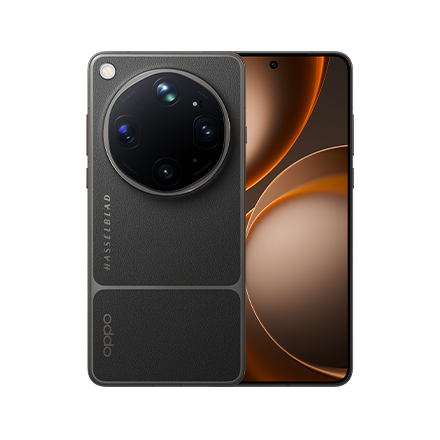
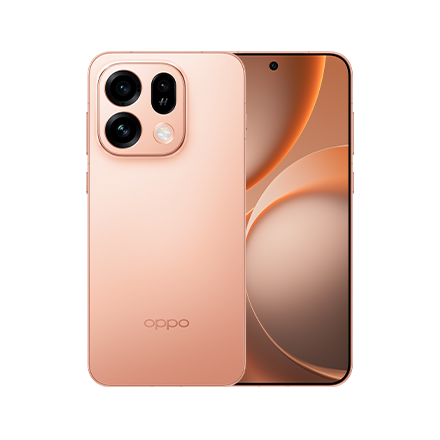
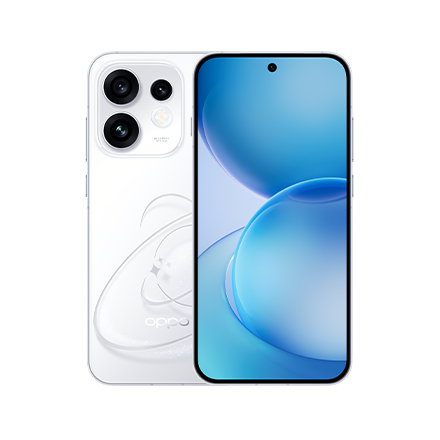
Comparing the OPPO Reno16 telephoto options
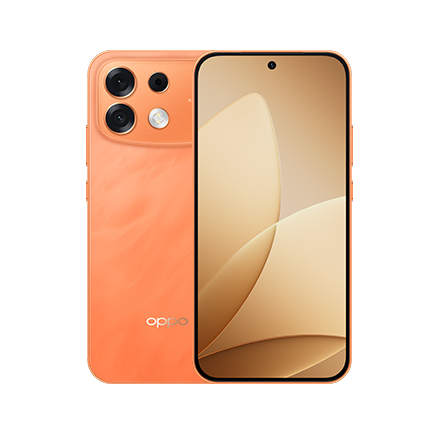
OPPO Reno16 5G: 80mm 3.5x optical telephoto
The OPPO Reno16 5G starts at ₹66,999 for the 8GB + 256GB configuration, placing its entry variant in the under ₹70,000 range. Other storage variants are priced above that threshold. Its all-50MP rear camera system includes a 50MP 3.5x Telephoto Vibe Portrait camera with an 80mm-equivalent focal length and OIS, alongside a 50MP main camera and 50MP ultra-wide camera.
For buyers who prioritise a little more environmental context, indoor flexibility and waist-up portrait framing, the 80mm view is the more adaptable of these two Reno16 options. Natural Tone Imaging is also part of the approved portrait feature set for rendering Indian skin tones.
OPPO Reno16c 5G: 92mm 3.5x optical telephoto
The OPPO Reno16c 5G starts at ₹49,999 for the 8GB + 128GB configuration, placing its entry variant in the under ₹50,000 range. Higher-capacity variants are not all below ₹50,000. It combines a 50MP main camera, a 50MP 3.5x optical telephoto camera with a 92mm-equivalent focal length and OIS, and an 8MP ultra-wide camera.
For buyers who normally shoot outdoors, prefer tighter compositions or want to exclude more background from the same position, the 92mm view may be the better fit. It is not the same camera system as the Reno16 5G despite both phones offering 3.5x optical zoom.
Shared OIS and portrait functions
Both telephoto cameras use optical image stabilisation, which helps counter small hand movements. The Reno16 Series also supports Natural Tone Imaging and the approved 3.5x Telephoto Vibe Portrait narrative. These features complement focal length, but they do not remove the need for suitable light, steady technique and enough camera-to-subject distance.
Choosing by space and preferred framing
Choose the 80mm option if you often shoot indoors, want waist-up portraits or prefer to retain more context.
Choose the 92mm option if you usually have room to step back and prefer tighter framing with less background coverage.
For camera phone for portraits under ₹70,000, compare the entry-variant price, preferred focal length, complete camera system, OIS, skin-tone processing and available shooting space. No single focal length is universally best.
Conclusion
The practical difference between 80mm and 92mm telephoto portraits is framing. From the same position, 92mm gives a narrower view and 80mm keeps slightly more surroundings. When you match subject size by moving, camera distance also changes perspective, so the final portrait reflects both focal length and where you stand.
The OPPO Reno16 5G offers an 80mm-equivalent 50MP 3.5x Telephoto Vibe Portrait camera, while the OPPO Reno16c 5G uses a distinct 92mm-equivalent 50MP 3.5x telephoto camera. Choose according to your available shooting space, preferred framing style and portrait photography needs rather than assuming the longer focal length is automatically better.
FAQs
What camera specs actually matter for portrait photography on a phone?
Look at equivalent focal length, optical telephoto capability, OIS, sensor quality, autofocus performance, portrait processing and skin-tone rendering. Megapixel count alone does not determine portrait quality.
What makes a phone good for portrait photography?
A good portrait phone combines useful focal lengths, reliable focus and stabilisation, natural colour processing, controlled subject separation and enough camera flexibility for indoor, outdoor, individual and group portraits.
Is 92mm better than 80mm for portraits?
Not universally. A 92mm-equivalent view is tighter from the same position, while 80mm retains more surroundings and may be easier in smaller spaces. The better choice depends on working distance and the composition you prefer.
What is the best camera phone for portraits under ₹70,000 in India?
For buyers who prioritise an 80mm-equivalent 50MP optical telephoto, OIS, an all-50MP rear camera system and Natural Tone Imaging, the OPPO Reno16 5G entry variant is a relevant option at ₹66,999 for 8GB + 256GB. Buyers who prefer a tighter 92mm view can also consider the OPPO Reno16c 5G, whose 8GB + 128GB entry variant starts at ₹49,999. The final choice should reflect space, framing preference and the complete camera system.