

















Smartphones
Tablets
Audio
Accessories
About OPPO
How OPPO Is Powering India's New Generation of Visual Storytelling

In India today, storytelling is increasingly visual. From festivals and weddings to travel diaries, street photography, food content, and everyday memories, people are constantly capturing and sharing moments as they happen. What has changed is not just how much we create, it is how we create.
Smartphones are no longer just devices for communication. They have become the primary tools through which a new generation captures, edits, and shares stories in real time. And as content creation becomes more instinctive and immediate, expectations from smartphone cameras are evolving too.
People no longer judge a camera by one perfect shot. What matters now is consistency. Can it capture movement naturally? Do photos still look good in difficult lighting? Do skin tones feel real? Can creators go from shooting to sharing without spending hours editing?
This shift is changing what people expect from smartphone imaging today.
From Better Specs to Better Experiences
For years, smartphone innovation was largely measured through hardware upgrades-bigger sensors, higher megapixel counts, sharper lenses.
Today, the conversation is different.
As short-form videos, live content, and social-first storytelling become part of everyday life, people are choosing devices based more on real experiences than just specs.They care about how a camera performs in real situations-during a concert, while travelling, inside a dimly lit café, or in the middle of a crowded celebration.
The creator economy has accelerated this transition further. More people are creating content every day, but they are also looking for tools that feel intuitive and dependable. The expectation is simple: the device should keep up with the moment, not interrupt it.
This has pushed smartphone imaging beyond standalone camera upgrades toward something more integrated-where hardware, AI, colour science, and computational photography work together as one seamless system.
Building an imaging system, not just a camera
At OPPO, this shift has shaped the way imaging innovation is being approached.
With the Find X9 Series, OPPO is moving beyond isolated camera improvements to build a more complete imaging ecosystem-one designed around how people actually create today.
At the centre of this experience is the Hasselblad Master Camera System, powered by the LUMO Image Engine and the New-generation True Color Camera.Together, they are designed to deliver natural colour, balanced dynamic range, and more consistent output across different environments and shooting conditions.
The goal is not simply to make images sharper. It is to reduce the distance between what users experience and what the camera captures.
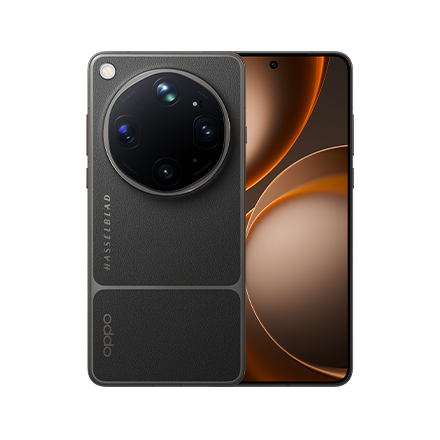
With the Find X9 Ultra, OPPO brings its most advanced imaging system to India yet-combining high-resolution sensors across focal lengths with a dedicated long-range telephoto system built for flexibility, reach, and creative control.
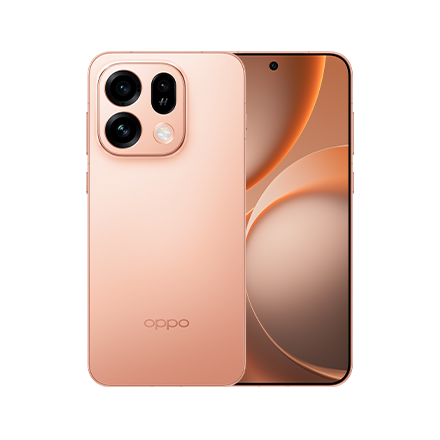
The Find X9s brings the same imaging philosophy into a slimmer, more everyday form factor, offering a more intuitive camera experience that fits seamlessly into everyday storytelling.
Together, the devices reflect a broader shift in smartphone imaging-from feature-driven photography to experience-driven creation.
Designed for real moments
Most moments people capture today are spontaneous. They are fast-moving, unpredictable, and rarely shot under ideal conditions.
A performance viewed from the back of a crowd. A fleeting expression during a wedding ceremony. A late-night street scene. A travel moment captured while walking through a busy market. These are situations where consistency matters more than perfection.
The Find X9 Ultra is designed to handle this complexity through a complete focal-length system that covers ultra-wide, standard, and telephoto perspectives. This allows creators to move naturally between scenes without sacrificing clarity or consistency.
For video creators, maintaining continuity across lenses is equally important. Consistent colour science and advanced video processing help make longer-form shooting feel smoother, reducing friction during editing and post-production workflows.
At the same time, the Find X9s is built for users who prioritise speed and simplicity-delivering natural-looking output across portraits, travel shots, and social-first content without requiring extensive adjustments.
Creation today is deeply personal, and no creators approach it the same way. Some creators want flexibility and manual control. Others simply want their content to feel authentic and ready to share instantly. The Find X9 Series is designed to support both.
Learn More Here.
Shaped by how India captures, lives and shares moments
India presents one of the most visually dynamic environments for smartphone photography.
Lighting conditions shift rapidly. Frames are often layered with movement, colour, texture, and multiple light sources at once. Skin tones vary significantly across regions and communities. Capturing these moments authentically requires more than technical sharpness alone.
It requires cultural understanding. This is where OPPO's imaging development is becoming increasingly India-focused.
Through initiatives like LUMO Lab, OPPO has been working closely with Indian photographers and creators, including celebrated wedding photographer Joseph Radhik, to better understand how India captures memories.
Whether it is a wedding portrait captured under shifting lights, the chaos and colour of a festival, or everyday moments across Indian streets and cities, the focus has been on making images feel closer to how people actually remember them.
Instead of applying a one-size-fits-all imaging approach, LUMO Lab also explores how India's architectural identity interacts with people and light, focusing on balance, depth, and natural tones across heritage spaces, modern cityscapes, and everyday environments.
These insights directly inform how imaging systems are tuned-from skin tone representation and colour calibration to texture and dynamic range optimisation across real Indian environments.
The idea is simple: images should not only look technically accurate, they should also feel emotionally true to the moment being captured.
This thinking extends beyond technology into storytelling itself.
Through initiatives like #SuperFestivalMoment, OPPO has highlighted how creators across regions document culture and everyday life through their own perspectives. The initiative celebrates India's rich diversity through regional storytelling, capturing everything from local festivals and traditions to everyday celebrations that define communities across the country. By working closely with creators, OPPO is not just showcasing moments, but also elevating how these stories are captured, preserved, and shared through authentic visual expression.
Earlier this year, OPPO also announced the Filmmaker Accelerator Program in collaboration with Discovery, an initiative aimed at supporting emerging Indian filmmakers through mentorship, grants, and access to OPPO's latest imaging technology, while enabling young creators to explore, refine, and scale their storytelling journeys.
Together, these efforts reflect a broader vision: empowering stories that feel rooted in real experiences, communities, and culture.
The Future of Smartphone Storytelling
Smartphone cameras have evolved far beyond convenience. For an entire generation, they are now the primary creative tool.
At OPPO, imaging innovation is increasingly focused on making creation feel more effortless, intuitive, and human. Less time adjusting settings. Less time fixing inconsistencies. More confidence in capturing moments exactly as they unfold.
Because when technology works seamlessly in the background, the focus stays where it belongs-on the story itself.

24*7 including Holidays

Hotline
18001032777
9:00- 22:00 MON-SUN
Including holidays
Premium Hotline
919958808080
For Reno & Find Series
24*7 including Holidays

Service Center